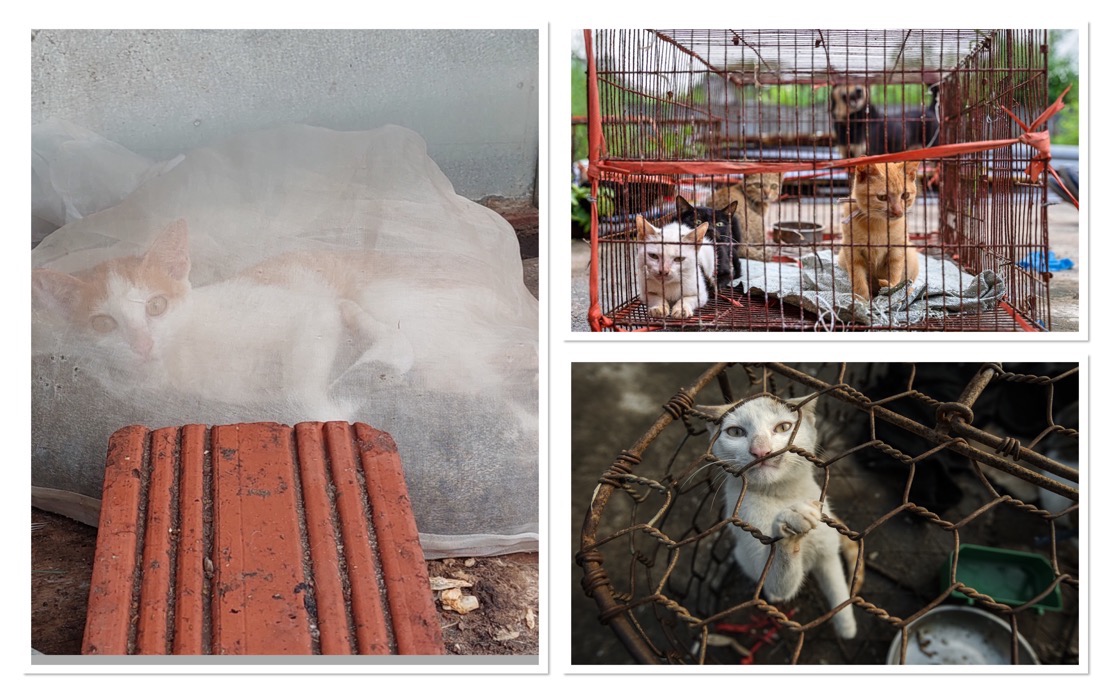
The killing of cats for meat continues to flourish in parts of Indochina, driven by deeply entrenched cultural beliefs and superstitions that connect feline consumption to fortune and wellbeing. Animal welfare organisations estimate that approximately one million cats meet this fate annually in Vietnam, with additional numbers slaughtered in remote regions of Cambodia and Laos, where perceived medicinal properties sustain market demand. This persisting practice highlights a troubling disconnect between longstanding traditions and the sensibilities of modern Southeast Asian populations, many of whom actively oppose such practices.
The motivations behind consumption are rooted in folklore rather than dietary necessity. Cultural beliefs, particularly in Vietnam, associate cat meat with prosperity and the reversal of misfortune when consumed during specific lunar calendar periods. Additionally, consumers attribute medicinal and health-enhancing properties to feline meat, with black cats commanding premium prices due to their purported special luck-bringing qualities. This superstition-driven market operates distinctly differently from subsistence hunting or essential protein sourcing; rather, it represents a niche trade sustained by tradition and belief systems that persist despite modernisation.
The scale of the problem extends well beyond individual cats. Cats are systematically stolen from homes and streets, then trafficked across provincial and international borders to satisfy this illicit demand. The trade operates largely underground, with minimal regulation or oversight from authorities. In one recent case exposing the infrastructure behind this commerce, Ho Chi Minh City police dismantled a smuggling network that had been operating for three years, rescuing approximately 500 cats and detaining nine gang members involved in inter-provincial trafficking. Such raids suggest the trade maintains organised structures comparable to larger wildlife trafficking networks.
Pricing data collected by FOUR PAWS during 2020 investigations reveals the commercial dynamics sustaining this trade. Live cats fetch between six and eight US dollars per kilogramme, while processed meat commands ten to twelve US dollars per kilogramme on the market. The differential pricing reflects both the labour involved in processing and the premium placed on specific animals—black cats particularly attract higher prices due to their cultural associations with luck and healing. These price points, though modest in absolute terms, provide sufficient economic incentive for traders to maintain sourcing operations despite legal risks and ethical concerns.
Notably, there exists no comprehensive nationwide prohibition against slaughtering, selling, or consuming cat meat in Vietnam, creating a regulatory vacuum that permits the trade to continue openly in many areas. This absence of legal restriction stands in sharp contrast to the sentiment of the Vietnamese population itself. Research indicates that approximately ninety per cent of Vietnamese people would support a blanket ban on both dog and cat meat trading. Moreover, over ninety per cent of respondents explicitly reject the notion that such consumption constitutes an authentic part of Vietnamese culture, suggesting that the trade persists despite rather than because of genuine popular demand or cultural integration.
This significant gap between public opinion and continuing practice points to the influence of entrenched commercial interests and the challenges of enforcing behavioural change in societies undergoing rapid transformation. The persistence of the trade despite decades of awareness campaigns by governments and international animal welfare organisations demonstrates that informational and educational interventions alone have proven insufficient to eradicate the practice. Younger and urban populations appear increasingly opposed to the trade, yet supply chains continue functioning, indicating that certain demographic and geographic pockets maintain sufficient demand to sustain trafficking operations.
Beyond immediate animal cruelty concerns, the trade presents significant public health risks that extend across borders and populations. The undocumented movement of live cats across provincial and national boundaries creates ideal conditions for the transmission of zoonotic diseases, particularly rabies, which poses genuine risks to human health throughout Southeast Asia. The clandestine nature of the trade means that animals receive no health screening or veterinary oversight before entering consumption chains or crossing borders, amplifying disease transmission potential. These epidemiological concerns provide rational public health arguments for intervention independent of animal welfare considerations.
The cat meat trade exists within a broader pattern of animal consumption practices across the region. Dogs face comparable threats, with estimates suggesting that more than ten million canines are slaughtered annually for meat across Southeast Asia. However, public sentiment has shifted more decisively against dog meat consumption, with growing populations in major cities rejecting the practice entirely. This divergence suggests that sustained advocacy and cultural shifts can alter consumption patterns, though the process remains slow and incomplete. The fact that dog meat consumption has declined even without comprehensive legal bans demonstrates that cultural attitudes can evolve when sufficient social momentum builds around animal welfare concerns.
International animal welfare organisations have intensified their efforts to address these practices through multiple mechanisms beyond traditional awareness campaigns. FOUR PAWS launched an online public reporting platform in early June as part of its advocacy strategy against the dog and cat meat trade in Cambodia, seeking to leverage digital technology and community participation in monitoring and reporting illegal trafficking. Such initiatives represent evolving approaches that move beyond passive education toward active community engagement and data collection that could inform enforcement efforts.
For Malaysian and Southeast Asian audiences, this issue carries particular relevance as it reflects broader tensions within the region between modernising values and persistent traditional practices. Malaysia itself has witnessed advocacy around animal welfare standards, and the cat meat trade demonstrates how cultural practices can become disconnected from contemporary ethical frameworks, particularly in societies experiencing rapid urbanisation and generational value shifts. The overwhelming public opposition to such trades suggests that many Southeast Asians are prepared to move beyond historical practices, yet institutional and enforcement mechanisms remain inadequate to translate this sentiment into concrete behavioural change across the region.

