Kuala Lumpur residents will have the rare opportunity to witness the FIFA World Cup 2026 final on a colossal outdoor screen at Dataran Merdeka in the early hours of Monday, July 20, as part of an ambitious week-long national unity initiative. The screening represents one of the centrepiece events of the "Unity Merdeka" programme, which commenced last week and continues through Sunday, bringing together a comprehensive slate of community-building activities designed to strengthen bonds across Malaysia's diverse population.
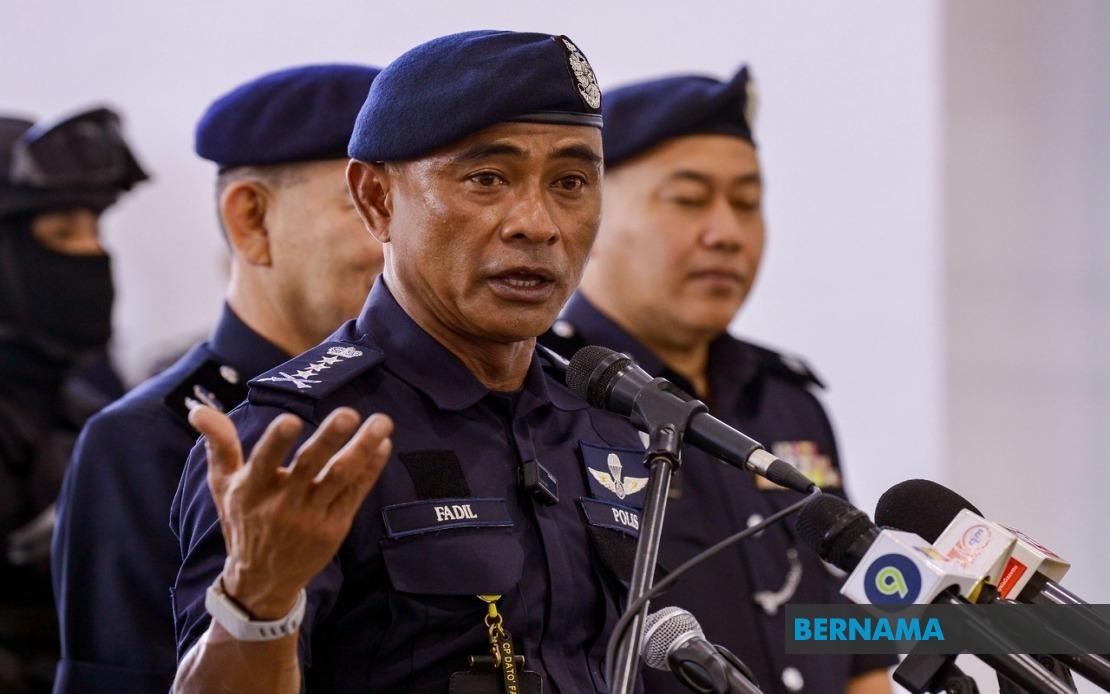
Kuala Lumpur police chief Datuk Fadil Marsus outlined the scale of the ambition behind the initiative, revealing that organisers anticipate drawing a crowd approaching 300,000 people to the historic plaza to collectively experience the match. The projection underscores the organisers' confidence in the appeal of such a large-scale public gathering, particularly given the global excitement surrounding World Cup football. The police chief indicated that the event may seek recognition in the Malaysia Book of Records, positioning the gathering as a potentially historic moment for public assembly in the capital.
The Unity Merdeka programme represents a collaborative effort between Kuala Lumpur police and an array of 16 government ministries, signalling a whole-of-government approach to fostering social cohesion among Malaysia's multi-ethnic communities. Rather than focusing solely on the football match, the organisers have structured the event under the thematic framework of "Diversity United, Wellbeing Preserved," reflecting broader policy objectives around national integration and citizen wellbeing. This thematic orientation suggests that the World Cup screening serves as a focal point for a much wider repertoire of activities and engagement opportunities.
Activities are scheduled to commence at 8 pm on Sunday evening, building momentum toward the evening's centrepiece with the final match screening that will extend into early Monday morning. This staging allows organisers to establish atmosphere and anticipation through preliminary entertainment and community engagement before the main event. The extended timeline also accommodates the logistical requirements of managing such a large projected attendance, with security, crowd management, and facility preparation spanning several hours beforehand.
The broader Unity Merdeka initiative demonstrates how major sporting events can be leveraged as platforms for advancing national objectives beyond entertainment. By anchoring the programme around the World Cup final rather than purely domestic sporting occasions, organisers capitalise on football's universal appeal across demographic groups and cultural communities. This strategic choice reflects understanding that international sporting moments possess particular power to unite diverse audiences, transcending parochial divisions that might emerge around domestically-rooted competitions.
Preliminary events have already commenced, with a five-kilometre Fun Run Unity Merdeka attracting approximately 2,000 participants and designed to strengthen relationships between the police force and the broader capital community. The inclusion of high-ranking police officials, including deputy police chief DCP Datuk Mohd Azani Omar, alongside representatives of the Crime Journalists Association, illustrated the programme's intent to involve multiple institutional stakeholders in visible demonstration of unity messaging. Such symbolic participation by authority figures sends clear signals about official commitment to the initiative's objectives.
Beyond the World Cup screening itself, the programme incorporates an expansive range of engagement opportunities spanning welfare initiatives, artistic performances, educational components, religious programming, family-oriented activities, and entertainment offerings. This deliberately comprehensive approach ensures relevance across different age groups, socioeconomic backgrounds, and cultural orientations, maximising potential for broad participation. By incorporating welfare and health dimensions alongside entertainment, the programme positions itself as addressing multiple dimensions of citizen wellbeing rather than constituting mere entertainment spectacle.
Various security and government agencies have established exhibitions and interactive booths throughout Dataran Merdeka, including the Royal Malaysia Police, Malaysian Armed Forces, Fire and Rescue Department, and Ministry of Health. These institutional displays serve dual purposes: they facilitate public education regarding government services and capabilities while simultaneously humanising security forces through direct community interaction. Such engagement opportunities contribute to broader trust-building between citizens and institutions, advancing relationship-based security approaches that complement enforcement mechanisms.
For Malaysian audiences and regional observers, the Dataran Merdeka World Cup screening carries broader significance beyond the match itself. It demonstrates how national governments can harness international sporting moments to advance domestic social cohesion objectives, particularly important in diverse societies where fostering shared identity remains an ongoing challenge. The scale of ambition—projecting 300,000 attendees—indicates confidence in public appetite for collective experience and shared national moments, suggesting that Malaysians value opportunities for cross-community gathering around non-partisan occasions.
The event also reflects growing recognition that major sporting events offer platforms for showcasing government effectiveness and organisational capacity. By successfully assembling 300,000 citizens for an orderly public gathering, authorities would demonstrate logistical competence and ability to manage large crowds, building confidence in institutional capability. Such public confidence extends beyond the immediate event, potentially influencing perceptions of government capacity across other domains.
Regionally, the initiative offers a model that other Southeast Asian nations might consider emulating—leveraging World Cup fever as a catalyst for national unity programming. As football's global prominence continues expanding, particularly with World Cup 2026 approaching, such initiatives may become increasingly common across Asia-Pacific nations seeking to balance entertainment provision with social cohesion objectives. Malaysia's approach demonstrates how major sporting events need not remain purely commercial or entertainment-focused but can serve as instruments for advancing legitimate national community-building goals.

