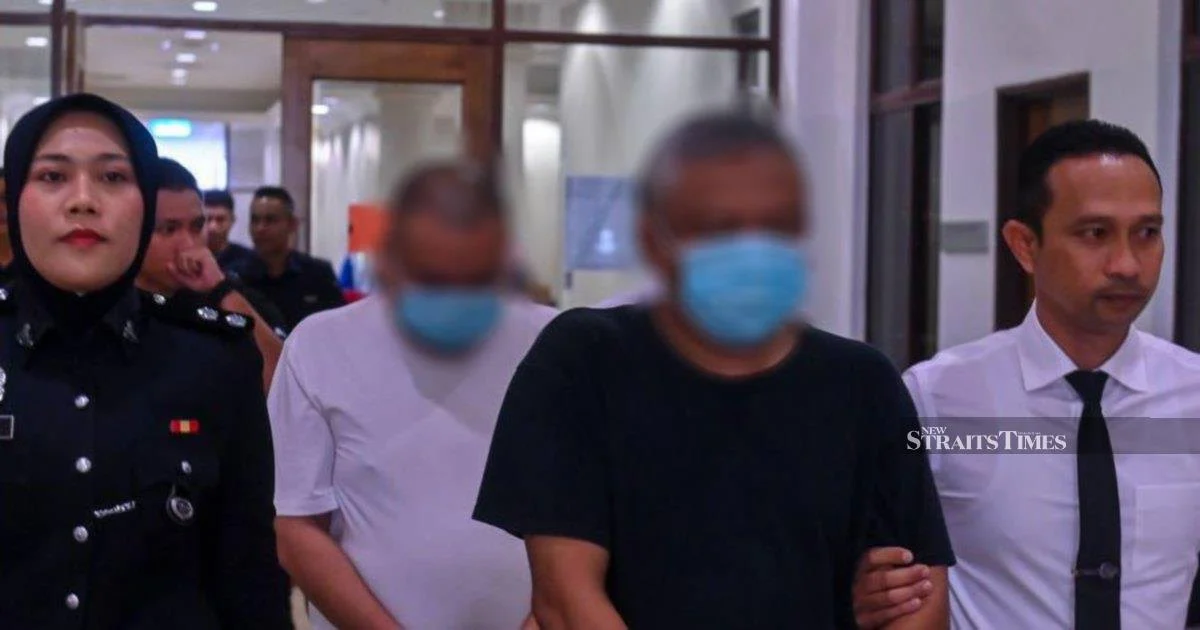
Authorities in Kuantan have apprehended a businessman holding Datuk status and his aide following accusations that they perpetrated fraud through the production and use of counterfeit official correspondence. The forged material allegedly bore the official coat of arms of the Tengku Mahkota of Pahang, lending false legitimacy to communications for fraudulent purposes.
The case represents a serious breach concerning the misuse of royal insignia, one of the most sensitive matters under Malaysian law. The Pahang royalty's crest carries significant weight and authority throughout the state, making its unauthorised reproduction for commercial gain or deceptive ends both a criminal and constitutional violation. Such offences strike at the integrity of state institutions and the respect accorded to royal authority.
Investigations will likely centre on determining the precise applications for which the forged letters were deployed. Common scenarios in such cases typically involve attempting to secure business contracts, obtain financial facilities from banks or investors, or lend false credibility to commercial proposals. The sophistication of the forgery and its distribution will be examined to establish the extent of the conspiracy and whether broader networks were involved.
The businessman's Datuk title itself now comes under scrutiny, as the honour system requires holders to maintain exemplary conduct and uphold public trust. The conferment of such titles carries an implicit social covenant that recipients will exercise integrity in their dealings. This arrest signals that even those holding state honours are subject to equal enforcement and accountability under the law.
For Malaysia's business community and foreign investors, such cases underscore the importance of verifying credentials and documentation independently. Forged letters of endorsement or support, particularly those falsely bearing royal connections, represent a persistent fraud mechanism in the region. Companies operating in Pahang and surrounding states should implement robust verification protocols before accepting any correspondence allegedly originating from state institutions.
The involvement of an assistant raises questions about whether the scheme was structured with clear hierarchical responsibility or whether the aide possessed independent knowledge of the forgery. Malaysian courts have traditionally examined such distinctions closely, as they determine culpability levels and sentencing considerations. The assistant's role in either executing the forgery or knowingly circulating the false documents will materially affect the prosecution's case.
This incident occurs within broader concerns about document fraud and identity crimes across Malaysia. The relative ease of reproducing official seals and letterheads, particularly in the digital age, has prompted repeated warnings from law enforcement and the private sector. Banks and government agencies frequently alert the public about phishing schemes and fraudulent correspondence that misappropriate official identity markers.
The Pahang royal establishment has not publicly responded to the incident, though such cases typically trigger internal institutional reviews. The court administration may examine whether additional security features or digital verification systems could prevent future misuse of official insignia. State agencies often cooperate with police to enhance protocols for document issuance and verification.
Sentencing for offences involving forged documents bearing royal symbols can be substantial under Malaysian law. The Penal Code provisions addressing forgery and misuse of government or royal insignia carry imprisonment terms and fines designed to deter such behaviour. Courts view these offences gravely because they undermine public confidence in legitimate institutional communications.
For small and medium enterprises throughout Malaysia, the incident offers cautionary lessons. Businesses frequently receive unsolicited letters or offers of support from what appear to be government agencies or royal institutions. Verifying such communications directly with the relevant institution through known contact channels remains essential. The temptation to accept supposed official backing without proper confirmation has ensnared countless entrepreneurs in schemes that subsequently unravelled.
The investigation will likely involve forensic analysis of the documents, examination of printing equipment and materials, and interviews with individuals contacted using the fraudulent letters. Police will attempt to determine the financial impact and identify all potential victims. Each recipient of the forged correspondence becomes a witness whose understanding of the scheme's legitimacy provides crucial evidentiary support.
As the case proceeds through the judicial system, outcomes will influence how similar offences are prosecuted. Landmark cases involving well-known business figures often establish precedents affecting broader enforcement strategies. The prominent status of the accused and the sophistication of the alleged scheme will likely attract considerable media and legal community attention throughout the trial process.

