Kuala Lumpur City Hall (DBKL) is moving forward with an ambitious technological upgrade to its urban forest management by installing 200 monitoring sensors across the capital's tree population. This next phase of the city's systematic tree care initiative represents a significant step towards preventing tree-related accidents and improving public safety in densely populated areas. The sensors will provide real-time data on tree condition, allowing DBKL to respond swiftly to potential hazards before they pose dangers to residents and infrastructure.
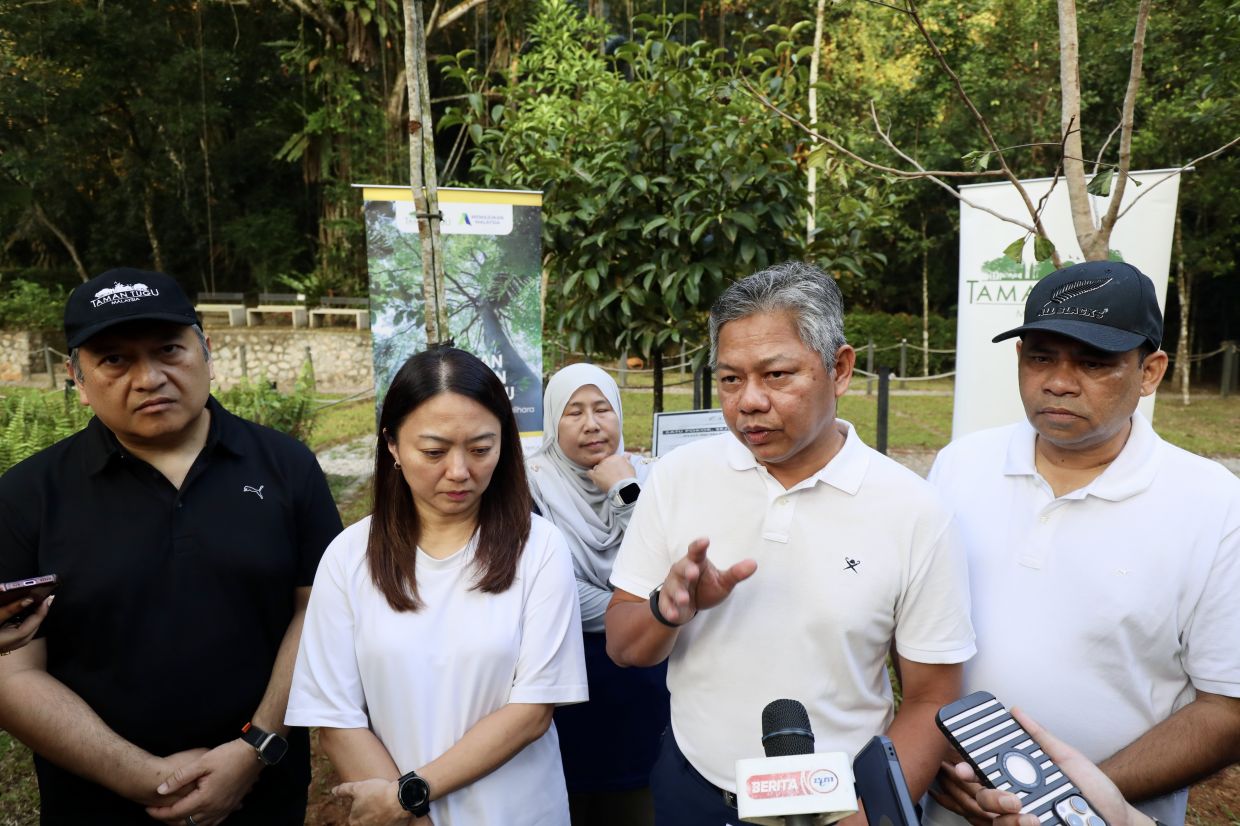
The announcement came from Kuala Lumpur Mayor Datuk Seri Fadlun Mak Ujud during the launch of the Taman Tugu Plot Adoption Programme on Saturday, August 22. According to Fadlun, the sensor deployment builds directly upon earlier successes in the city's comprehensive tree management strategy. Earlier this year, with support from the Digital Ministry, DBKL successfully completed a detailed mapping exercise that catalogued approximately 25,000 trees throughout Kuala Lumpur, creating a foundational database of urban vegetation. This groundwork proved invaluable in identifying which specimens required closer observation and intensive monitoring protocols.
The health assessment phase revealed critical insights into the condition of Kuala Lumpur's mature tree stock, enabling city administrators to distinguish between trees requiring preventive intervention and those needing urgent attention. Rather than relying on reactive measures—such as removing trees after they become hazardous—the new sensor system will enable proactive management. Each device will be mounted approximately 1.2 meters above ground on selected trees, particularly those in high-traffic areas and locations with significant pedestrian activity. The network will feed continuous data back to DBKL's control centre, where specialists can monitor stress indicators, structural integrity, and other health metrics that might suggest imminent failure or branch drop risks.
Fadlun emphasised that the preservation philosophy underlying this initiative differs markedly from conventional urban tree management. Rather than removing potentially problematic specimens entirely, DBKL intends to employ targeted support mechanisms for branches showing weakness or instability. Trees displaying overall health but with individual branches at risk will receive structural reinforcement, allowing the city to retain mature specimens that provide extensive environmental and aesthetic benefits. This approach proves particularly valuable along established corridors such as Jalan Ampang, where decades-old trees contribute significantly to the capital's character and ecological function. The mayor noted that DBKL aims to plant 200 additional trees as part of its expansion efforts, though the initiative will require additional funding beyond current allocations.
Minister in the Prime Minister's Department (Federal Territories) Hannah Yeoh added her weight to the initiative, framing urban greenery as a non-negotiable priority for Kuala Lumpur's future development trajectory. Yeoh expressed concern about historical patterns of green space conversion to commercial projects, arguing that the capital has already achieved sufficient commercial density. Her ministry contributed RM50,000 towards tree care and planting activities at Taman Tugu, with DBKL matching this contribution for a combined RM100,000 investment. This financial commitment signals broader government backing for greening initiatives at the federal level, potentially unlocking additional resources and policy support for urban forestry projects across Malaysia's urban centres.
The Taman Tugu Plot Adoption Programme represents a complementary community-driven approach to the technological monitoring initiative. Through this scheme, diverse stakeholders—including government departments, private sector companies, community organisations, and individual volunteers—participate actively in forest restoration and ongoing maintenance responsibilities. The programme divides designated areas into 9-square-metre plots, each to be planted with native Malaysian forest tree species selected to preserve and enhance Taman Tugu's natural ecosystem integrity. This participatory model creates shared ownership of urban greening outcomes while building community awareness about sustainable forestry practices.
The sensor deployment strategy carries particular significance for Malaysian cities facing increasing urbanisation pressures and climate variability. As temperatures rise and weather patterns become more unpredictable, trees experience heightened stress that may not be immediately visible to conventional inspection methods. Real-time monitoring systems can detect subtle changes in water stress, microbial activity, and structural strain that precede visible deterioration. For Kuala Lumpur, which experiences monsoon conditions and occasional severe weather events, such early-warning capabilities offer tangible safety improvements and reduced emergency response costs.
The integration of digital monitoring with preservation-focused management philosophy reflects evolving best practices in major metropolitan centres worldwide. Cities like Singapore and Bangkok have similarly invested in smart tree management systems, recognising that urban forests provide irreplaceable services including air quality improvement, stormwater management, temperature reduction, and mental health benefits for residents. Kuala Lumpur's two-phase approach—comprehensive mapping followed by targeted sensor deployment—demonstrates methodical infrastructure development rather than reactive crisis management.
Looking forward, the success of this initial 200-sensor deployment will likely influence broader urban forestry policy across Malaysia's other major cities. If DBKL's real-time monitoring system proves effective in reducing accident rates while maintaining tree populations, comparable technologies could be adapted for Petaling Jaya, Shah Alam, and other rapidly developing municipalities facing similar urban forest management challenges. The initiative also establishes a template for balancing technological innovation with community participation, showing that advanced monitoring need not replace human engagement with urban natural spaces.

