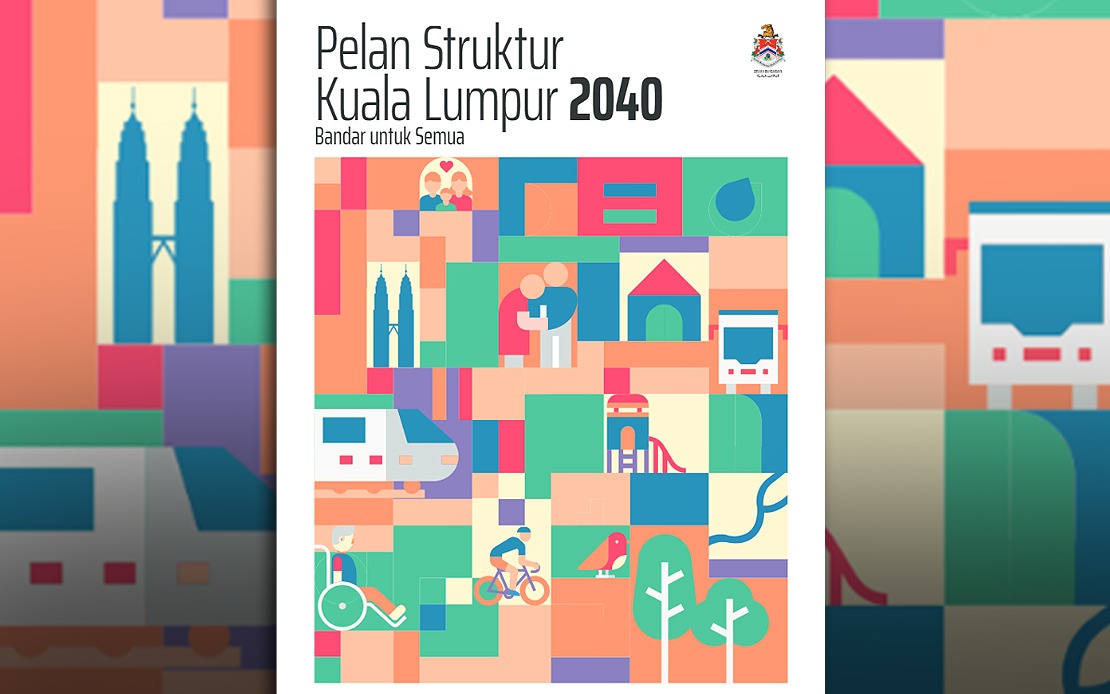
Kuala Lumpur City Hall (DBKL) has announced an extension to the application deadline for amendments to the Kuala Lumpur Local Plan 2040 (PTKL2040), moving the cutoff point to 5 pm on August 7. The decision represents an attempt to accommodate the administrative and technical demands placed on registered landowners, property developers, and other stakeholders seeking to modify the city's long-term spatial planning framework. By extending the submission window, DBKL aims to ensure that interested parties have adequate opportunity to gather necessary documentation and craft persuasive cases for their proposed changes.
The amended timeline was announced by DBKL with the stated intention of allowing applicants to thoroughly prepare their Letters of Intent and supporting materials. This documentary requirement constitutes the foundation of any amendment request, and DBKL has emphasized that submissions must contain detailed justifications explaining why the proposed changes merit consideration. Alongside written arguments, applicants are required to furnish clear location diagrams or site plans that graphically demonstrate the geographic scope of their proposed modifications, as well as the most recent land title documentation establishing legitimate ownership or interest in the affected property.
The amendment application process operates under the legal authority granted by Section 17 of the Federal Territory (Planning) Act 1982 (Act 267), which establishes the procedural framework governing modifications to Kuala Lumpur's statutory development plans. This legislative basis ensures that all amendment applications proceed through an established regulatory pathway rather than through ad hoc or discretionary channels. DBKL's invocation of this statutory authority reinforces the formal nature of the amendment process and underscores that proposed changes to PTKL2040 must satisfy predetermined criteria and procedural requirements.
Prospective applicants can submit their amendment requests through two distinct channels: physical submission to the City Planning Department (JPRB) director at Level 9 of Menara DBKL 1 on Jalan Raja Laut, or electronic transmission via designated email addresses provided by DBKL. This dual-submission approach acknowledges practical variations in how different stakeholders prefer to conduct official business with government agencies, accommodating both traditionalists who favour in-person interaction and digitally-oriented applicants who prioritize online processes. The availability of multiple submission pathways potentially removes administrative barriers that might otherwise discourage participation from smaller developers or community organizations.
Significantly, DBKL has flagged that certain applicants may be required to commission a specialized Local Plan Amendment Proposal Report (LCPPT), a detailed technical document prepared by qualified professionals. Depending on the complexity and scope of proposed amendments, applicants will be instructed to engage a Registered Town Planner to develop this report. This requirement introduces an additional technical and financial layer to the amendment process, effectively ensuring that only sufficiently serious or well-resourced applicants pursue substantial modifications to the plan. The professionalization of amendment documentation standards helps maintain the technical rigor of Kuala Lumpur's planning framework and prevents frivolous or poorly conceived proposals from clogging the review pipeline.
For those navigating the application process, DBKL has made available supporting materials including an Application Checklist and the Kuala Lumpur LCPPT Manual, both downloadable from the Kuala Lumpur Development Plan website. These resources function as practical guides, helping applicants understand what DBKL expects and what materials constitute a complete submission. The provision of such standardized guidance materials democratizes access to the amendment process by ensuring that applicants—whether experienced developers familiar with planning procedures or first-time property owners—can access the same information about submission requirements.
The extension of the deadline carries implications beyond mere procedural convenience. Planning amendments often reflect shifting economic priorities, demographic changes, or evolving development opportunities within the Federal Territory. By providing an extended submission window, DBKL signals receptiveness to stakeholder input regarding how Kuala Lumpur's spatial framework should accommodate future growth and change. This approach contrasts with rigid, non-negotiable planning frameworks that offer no mechanism for responsive adjustment based on changed circumstances or newly identified opportunities.
For Malaysian stakeholders and regional observers, the PTKL2040 amendment process exemplifies how major metropolitan areas attempt to balance long-term strategic planning with flexibility to address emerging realities. Kuala Lumpur's framework—establishing a foundational 20-year plan while permitting targeted amendments through transparent procedures—represents a middle path between inflexible master planning and ad hoc, case-by-case decision-making. The extended deadline ultimately reflects DBKL's confidence that additional time will yield higher-quality submissions and more thorough stakeholder engagement with the amendment process.
DBKL's explicit encouragement to stakeholders to utilize the extended period reflects institutional awareness that rushed submissions often contain deficiencies requiring follow-up correspondence, resubmission, or rejection. By promoting measured preparation rather than last-minute scrambling, DBKL aims to reduce administrative friction and process incomplete applications more efficiently. This pragmatic approach recognizes that investment in applicant preparation time ultimately streamlines the review process and produces better outcomes for both DBKL and those seeking plan modifications. The extension thereby serves not merely the interests of amendment applicants but also enhances the overall functioning of Kuala Lumpur's planning administration.

