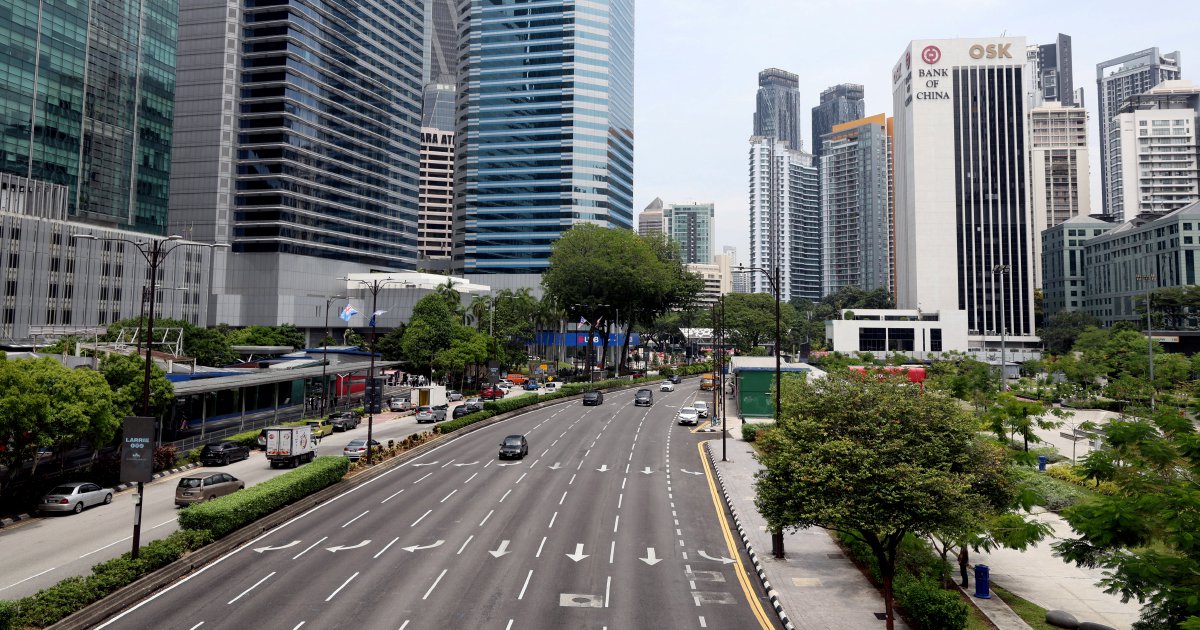
Kuala Lumpur City Hall (DBKL) has mobilised an urgent response following a fatal tree-related incident in the capital, deploying teams to conduct technical investigations and systematic inspections of mature and potentially unstable trees along major roads throughout the city. The investigation represents a critical reassessment of the municipal authority's tree safety protocols and maintenance procedures.
The incident has prompted DBKL to intensify its focus on identifying high-risk specimens that could pose threats to public safety. The authority recognises that ageing trees, particularly those in heavily trafficked urban areas, require closer monitoring and regular assessment to prevent similar tragedies. This proactive approach underscores the growing concern among city administrators about the structural integrity of the capital's urban forest.
The inspection programme represents a significant operational undertaking for DBKL, requiring arboricultural expertise and comprehensive documentation of tree conditions across the metropolitan area. Technical teams will evaluate factors including trunk stability, branch integrity, root systems, and signs of disease or decay that might compromise public safety. Such investigations are essential in a tropical climate like Malaysia's, where high humidity, seasonal rainfall, and occasional extreme weather events can accelerate tree deterioration.
The scope of the initiative reflects broader challenges facing urban management in Southeast Asian cities. Mature trees, while providing crucial environmental and aesthetic benefits such as shade, air quality improvement, and urban cooling, can become liabilities if left unmonitored. The balance between preserving green infrastructure and ensuring public safety requires careful judgement and ongoing maintenance investment.
Kuala Lumpur's situation echoes concerns across the region, where rapid urbanisation and ageing urban forests have occasionally resulted in tragic incidents. Cities including Singapore and Bangkok have developed sophisticated tree management systems incorporating regular inspections, risk assessments, and proactive removal or treatment of dangerous specimens. DBKL's current initiative suggests a similar shift toward more rigorous oversight protocols.
The fatal incident has raised important questions about municipal responsibility and liability. Residents and road users have a legitimate expectation that public authorities maintain infrastructure—including trees—to acceptable safety standards. DBKL's response demonstrates acknowledgement of this duty and commitment to preventing recurrence through evidence-based investigation and systematic remedial action.
Maintaining large urban tree populations presents particular challenges in tropical climates. High rainfall can weaken soil around tree bases, while simultaneously promoting vigorous growth that creates imbalanced canopies. Pests and fungal infections, more prevalent in warm, humid conditions, may not be immediately visible but can severely compromise structural soundness. Regular technical inspection becomes essential to identify these hidden vulnerabilities before they result in branch failure or complete collapse.
The timing of DBKL's inspection programme also reflects practical considerations for the capital. Kuala Lumpur experiences peak rainfall during monsoon seasons, which increases the risk of tree failure when saturated soil cannot adequately support heavy, fully-leafed canopies. Conducting inspections during drier seasons allows assessors to identify trees most likely to fail during subsequent wet periods, enabling preventive action such as pruning, bracing, or removal before monsoon onset.
For Malaysian residents and property owners in Kuala Lumpur, the inspection initiative carries both reassuring and cautionary implications. Reassuringly, it demonstrates that municipal authorities are responding decisively to safety concerns. However, the incident and subsequent investigation also serve as reminders that large trees, particularly those overhanging roads or residential areas, warrant periodic professional assessment. Residents living near mature trees may wish to request private arboricultural surveys to ensure their own safety.
The investigation will likely generate detailed findings regarding the specific tree that failed—its species, age, health condition, maintenance history, and the immediate factors contributing to collapse. These findings should inform broader policy recommendations affecting how DBKL manages its urban forest going forward. Such data-driven approaches help cities transition from reactive emergency responses to preventive management systems.
Looking forward, DBKL's experience underscores the importance of adequate municipal funding for green infrastructure maintenance. Tree management is often an unglamorous budget item that fails to attract political attention until crises occur. However, systematic inspection, professional pruning, disease treatment, and timely removal of dangerous specimens represent far more cost-effective approaches than managing the aftermath of fatal incidents, property damage, or legal liability.
The capital's inspection programme should ultimately contribute to developing a more resilient and safer urban environment. Regular arboricultural assessment, supported by clear maintenance schedules and evidence-based decision-making, can preserve Kuala Lumpur's valuable tree cover while significantly reducing risks to public safety. As the investigation proceeds and inspection results accumulate, they will likely reveal not just immediate dangers but also systemic improvements needed to manage the city's complex relationship with its mature trees.

