Kuala Lumpur City Hall (DBKL) has initiated formal proceedings to purchase land in the Sentul area, aiming to settle an ongoing dispute over public access to a thoroughfare that has been blocked by its private owner. The affected road at Jalan Taman Datuk Senu became the focus of public outcry when residents took to social media to protest the sudden closure, which disrupted their primary commuting route through the Taman Datuk Senu neighbourhood.
According to Kuala Lumpur Mayor Datuk Seri Fadlun Mak Ujud, investigations revealed a fundamental administrative oversight: the public road had never been formally acquired by the city authorities despite serving residents for an extended period. Instead of being municipal property, the thoroughfare runs entirely across private land, creating a legal grey area that ultimately gave the landowner the right to restrict access. This situation represents a common challenge in Malaysia's urban development landscape, where historical informal land use arrangements sometimes clash with formal property ownership decades later.
Fadlun explained that preliminary discussions involving all concerned parties commenced in February, signalling that DBKL recognised the urgency of the matter. However, resolving such disputes requires more than city hall intervention alone. The acquisition must proceed through official government channels, specifically the Department of the Director General of Lands and Mines (JKPTG), which handles all state land transactions and compensation matters.
The formal application has already been submitted to JKPTG, marking the beginning of a multi-stage process governed by Malaysian property law. This procedure is considerably more complex than a simple purchase agreement, as it involves multiple bureaucratic checkpoints designed to protect the rights of all parties—the municipality, the property owner, and the public interest. The process cannot be expedited through back-channel negotiations or shortcuts; it must follow statutory requirements that exist to ensure transparency and fairness.
Under the outlined framework, the next steps include securing official government approval before proceeding to gazettement, a public notification procedure that allows interested parties to lodge objections. Following gazettement, the Valuation Department will assess fair compensation for the landowner, a figure that becomes binding once approved. Only after the property owner receives payment can the land formally transfer to municipal ownership. This sequence, while methodical, exists to prevent disputes that might otherwise arise from hasty or inadequately documented transactions.
Mayor Fadlun expressed confidence that if all parties cooperate and no objections emerge during valuation, the entire process could conclude within three to four months. This timeline, however, carries contingencies. Any dispute over the compensation amount assessed by the Valuation Department could extend proceedings significantly. Property valuations in urban areas sometimes generate disagreement between government appraisers and landowners, particularly in neighbourhoods experiencing rapid development or appreciation. Such disagreements, though resolvable through formal appeals, add unpredictable delays to the schedule.
The mayor's public appeal to the landowner seeking patience reflects the delicate balancing act authorities must perform in such situations. While acknowledging the property owner's legal rights, Fadlun emphasised that the road serves a substantial public interest—residents have relied on it as their main access route for years. This appeal to reasonableness, though well-intentioned, underscores a broader problem: the absence of formal acquisition decades ago has left residents and city planners in an awkward position, dependent on the goodwill of a private landowner to maintain community connectivity.
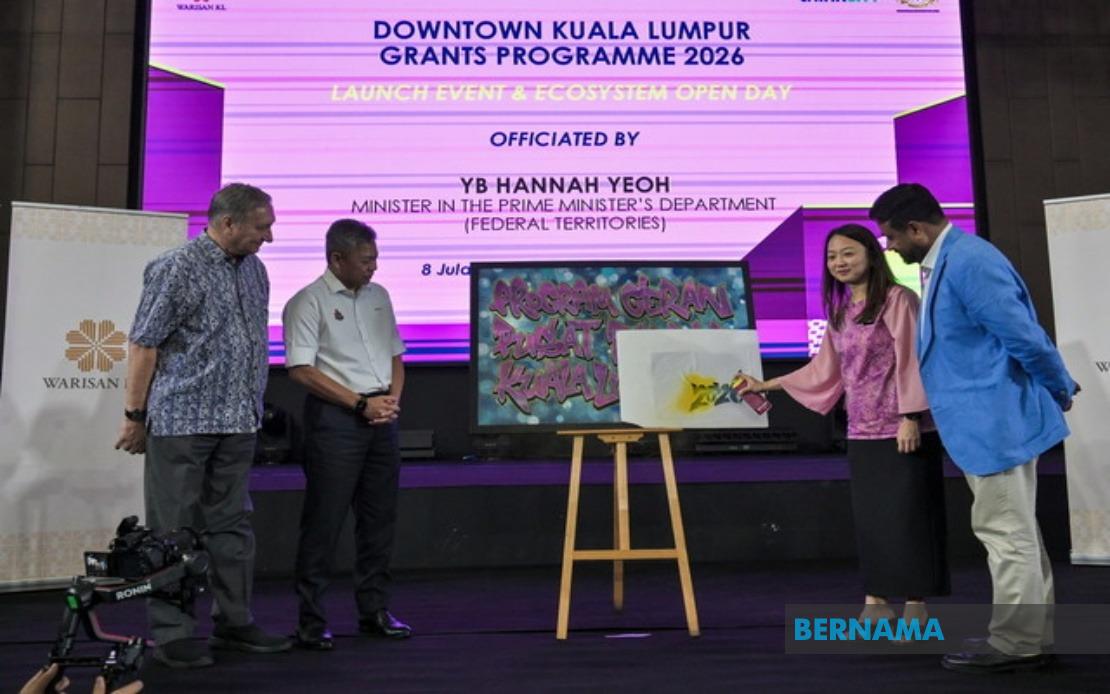
Minister Hannah Yeoh, representing the Prime Minister's Department (Federal Territories), attended the announcement, signalling that the federal government backs DBKL's position and will facilitate JKPTG's processing of the application. This ministerial presence suggests that the case has been flagged as a priority, potentially accelerating approval stages that might otherwise encounter bureaucratic delays. However, such support, while helpful, cannot bypass the substantive legal requirements built into the acquisition framework.
The Taman Datuk Senu controversy illustrates persistent vulnerabilities in Kuala Lumpur's urban administration. Many neighbourhoods developed during Malaysia's rapid post-independence urbanisation operated informally for decades, with public roads maintained by local authorities even though proper land title transfers never occurred. As Kuala Lumpur modernises and property values increase, these informal arrangements increasingly generate conflict when property owners assert ownership rights over what residents consider public infrastructure. This case will likely serve as a precedent for resolving similar situations elsewhere in the federal territory.
For residents currently using alternative routes due to the blockade, the three to four-month timeframe offers some hope, though it comes without guarantees. The process's success hinges on the Valuation Department's assessment remaining uncontested and on JKPTG processing applications without unexpected complications. Authorities have signalled commitment to resolution, but the machinery of government acquisition operates according to its own schedule, constrained by legal requirements that protect property rights even when public convenience argues otherwise.

