Kuala Lumpur City Hall (DBKL) has announced a package of regulatory improvements aimed at easing the operating burden on traders and food businesses across the capital. The three-pronged reform addresses recurring pain points that have long frustrated entrepreneurs, from street-level food operators to established restaurant proprietors seeking to expand or maintain their premises. The measures represent a deliberate shift toward reducing bureaucratic friction while maintaining essential safety and hygiene standards—a balance the authority insists will benefit both business operators and the public.
The centrepiece of the initiative is a fixed permit fee structure for tables and chairs placed on five-foot ways, set at RM30 per month per set. This standardised pricing removes ambiguity and replaces what entrepreneurs have often described as opaque or inconsistent fee schedules applied across different DBKL branches. Applications for such permits will now flow through designated DBKL offices organised by parliamentary constituency, a transparent routing system designed to prevent discretionary gatekeeping. Approval hinges on practical criteria: the location's suitability, adequate five-foot way width, and guaranteed non-obstruction of pedestrian pathways, wheelchair access, and emergency routes. For outdoor dining in Kuala Lumpur—a cultural cornerstone of the city's food scene—this clarity should reduce the haggling and uncertainty that has characterised permit negotiations.
The second reform targets minor building works, a category encompassing tile replacement, ceiling repairs, and similar modifications that involve no structural change. Previously, applicants faced potentially lengthy approval processes even for straightforward, low-risk tasks. Under the new arrangement, traders need only complete a notification form and alert their respective DBKL branch office; the permit can be issued directly without protracted review cycles. This streamlined pathway acknowledges that not every building alteration poses genuine safety hazards and that blanket application of stringent processes to routine maintenance work discourages investment in shop upkeep and modernisation. By fast-tracking such permits through branch level authorisation, DBKL aims to accelerate compliance while maintaining oversight of genuinely risky interventions.
The third element addresses a particularly contentious issue for food operators: reopening timelines following hygiene-related closures. Previously, premises ordered shut due to sanitation breaches faced unpredictable waiting periods before reinspection. The new policy permits consideration for reopening as soon as 24 hours after cleaning completion, provided DBKL conducts a follow-up inspection and confirms all food safety and hygiene requirements are satisfied. The authority stresses that reopening is not automatic; inspection confirmation remains mandatory. This adjustment recognises that brief, remediable violations—such as temporary pest issues or minor cleaning lapses—need not trigger extended commercial paralysis, while reserving DBKL's authority to refuse reopening if standards remain unmet. For food businesses operating on razor-thin margins, the difference between same-day and week-long closure can determine survival.
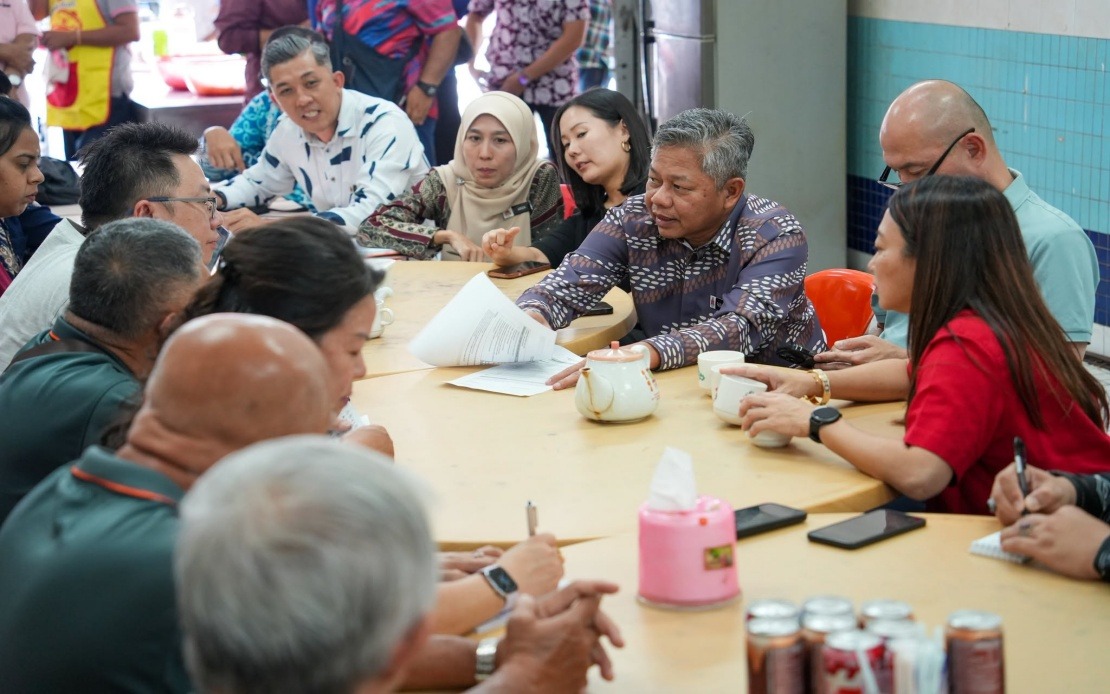
These initiatives emerged from engagement sessions involving multiple stakeholders. Minister in the Prime Minister's Department (Federal Territories) Hannah Yeoh, Kuala Lumpur mayor Datuk Seri Fadlun Mak Ujud, and representatives of the Selangor and Kuala Lumpur Chinese Coffee Shop and Tea Shops Owners' Association participated in discussions that crystallised trader grievances into actionable policy. A prior April engagement with the Malaysian Muslim Restaurant Owners' Association (PRESMA) similarly highlighted operational pain points, particularly around closure-and-reopening procedures. This consultation approach signals that DBKL intends these reforms as responsive to real-world business challenges rather than top-down mandates disconnected from ground realities.
A critical underlying theme is standardisation. DBKL has long wrestled with inconsistent application of rules across its 11 branch offices, creating situations where permit approvals, fee interpretations, or hygiene enforcement vary by location or officer discretion. Clear, published procedures theoretically eliminate such variations, providing traders with certainty about what to expect and enabling DBKL staff to apply rules uniformly. This standardisation carries secondary benefits: it reduces opportunities for informal payments or preferential treatment, enhances public confidence in fair administration, and insulates officers from accusations of bias.
From a Southeast Asian perspective, these reforms position Kuala Lumpur in line with regional peers pursuing pro-business regulatory environments. Cities such as Bangkok, Jakarta, and Singapore have progressively cut red tape for small traders, recognising that informal and semi-formal food sectors employ hundreds of thousands and generate crucial economic activity. DBKL's moves echo that recognition, though Malaysia's approach retains firmer safety guardrails—hygiene reinspection remains obligatory, for instance, rather than self-certification. For Malaysian entrepreneurs and investors monitoring regulatory climate, the reforms suggest receptiveness to pragmatic adjustment without abandonment of essential oversight.
The authority explicitly confirms these improvements apply universally to traders meeting requirements, irrespective of background or premise type. This inclusive framing sidesteps potential accusations of bias toward particular ethnic or religious communities and reinforces the notion that business-enabling environment serves the broader economy. In a multicultural trading hub like Kuala Lumpur, such universal application is both administratively sound and politically prudent.
Implementation quality will ultimately determine whether these reforms deliver promised benefits or merely shuffle paperwork. DBKL faces the challenge of ensuring branch offices interpret and enforce the new standards consistently, training staff on the revised procedures, and preventing informal resistance from officers accustomed to older processes. Traders will likely test the system's responsiveness through early applications; slow or obstructive responses would rapidly undermine credibility. Regular review and adjustment based on early experience will be essential if DBKL aims to sustain this momentum.
Beyond immediate operational improvements, these reforms hint at a broader institutional shift toward outcome-focused regulation. Rather than prescribing every procedural step, DBKL is identifying key outcomes—safe premises, clear walkways, hygiene compliance—and granting officers and applicants latitude in how to achieve them efficiently. If sustained and extended to other regulatory domains, this philosophy could transform Kuala Lumpur's reputation from a city where doing business requires navigating Byzantine bureaucracy to one where authorities actively reduce friction while upholding standards. That transformation would benefit not only traders but also residents, who depend on a thriving, competitive retail and food sector for livelihood and quality of life.

