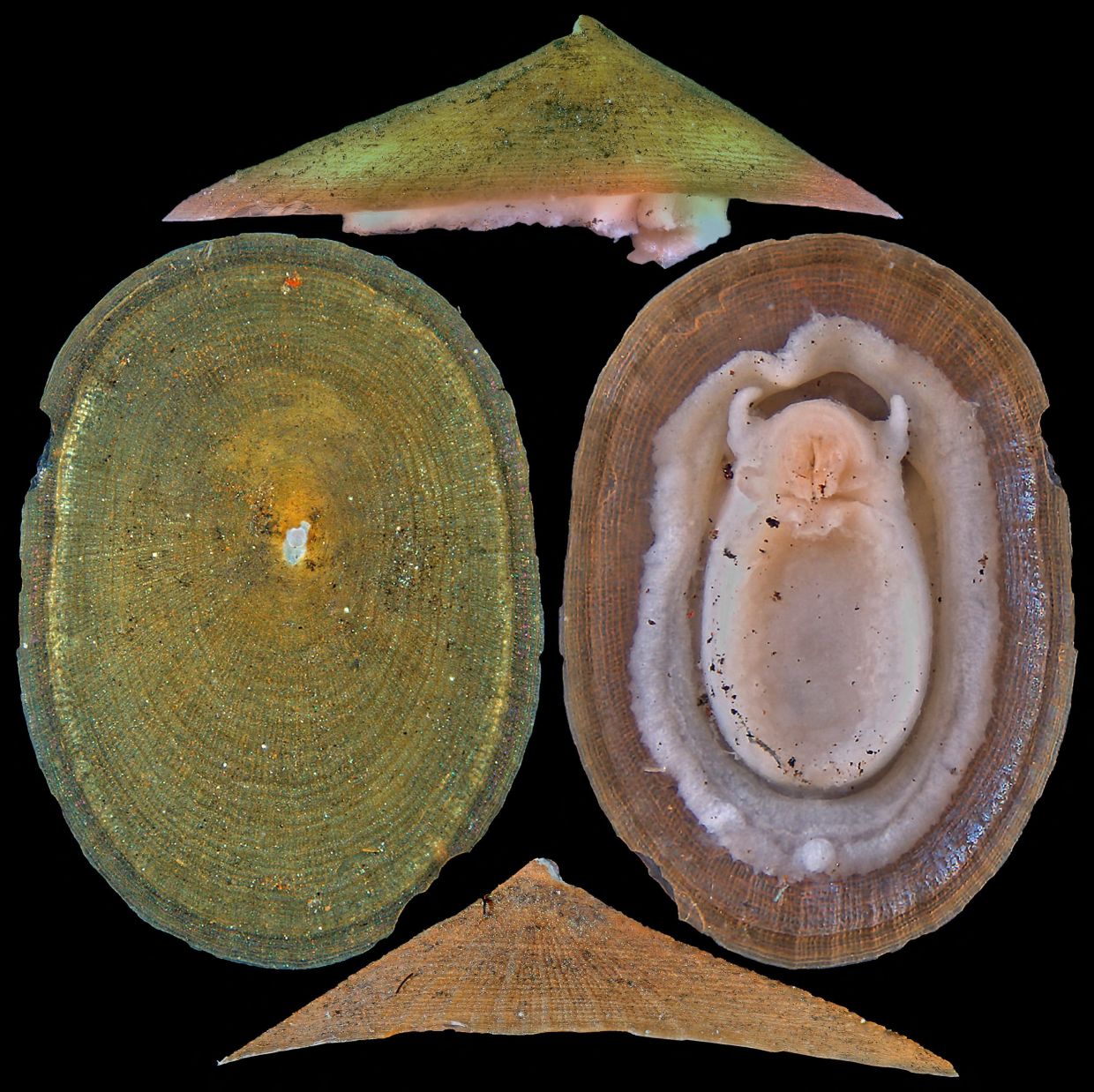
The hunt for valuable minerals beneath the ocean floor is pushing marine life towards extinction at an alarming rate. The International Union for Conservation of Nature has sounded a fresh alarm about the devastating impact of deep-sea mining operations on creatures that have survived in Earth's most extreme environments for millennia. According to the organisation's latest Red List update released Thursday, approximately 62 percent of mollusk species found exclusively around hydrothermal vents are now facing extinction risk, translating to 125 out of the 201 species documented globally. This grim assessment underscores how industrial expansion into previously untouched ecosystems poses an unprecedented threat to biodiversity in regions where few conservation measures currently exist.
These molluscs represent some of nature's most remarkable survival stories. Dwelling at depths reaching 5,000 metres below the sea surface, around hydrothermal vents where water temperatures soar beyond 450 degrees Celsius, these creatures include snails, limpets, mussels, clams and chitons that have evolved extraordinary adaptations to thrive in conditions that would prove instantly lethal to most life forms. Many species have only been identified by scientists within the past decade, meaning humanity's understanding of these organisms remains incomplete. The cruel irony is that before we have even finished cataloguing these species, human activities are already threatening their survival. The IUCN emphasises that these newly discovered inhabitants of the deep ocean now face potential extinction precisely because of disturbance to their habitat from mining exploration.
The mechanism of harm is both direct and insidious. When seabed exploration occurs, sediment plumes are generated that settle over the surrounding environment, effectively smothering the organisms that depend on these specific microhabitats. Beyond the physical suffocation, these sediment clouds interfere with the molluscs' physiological processes, compromising their capacity to absorb essential nutrients from their surroundings. Such disruption proves catastrophic for creatures whose existence is already balanced on a knife's edge in an unforgiving environment. Julia Sigwart, representing the IUCN's mollusc specialist group, articulates the gravity of this moment clearly. She characterises molluscs as facing an existential crisis at a juncture when decision-makers still have the power to determine their fate. The specialist group underscores that the IUCN itself endorsed a moratorium on deep-sea mining in 2021, with the crucial caveat that only if marine ecosystems receive effective protection should such mining proceed at all.
The broader context of this crisis reflects a pattern increasingly evident across Earth's ecosystems. Grethel Aguilar, the IUCN's chief, observes that life has evolved remarkable strategies to endure in the most inhospitable locations imaginable, yet as environmental pressures intensify globally, even these extraordinarily resilient creatures find themselves vulnerable. The latest Red List iteration encompasses 175,909 species overall, an increase from 172,620 previously documented, with 49,505 now classified as threatened with extinction compared to 48,646 in the prior assessment. These figures document not merely an increase in conservation knowledge but a genuine acceleration in biodiversity loss across the planet.
The updated list illustrates how varied threats manifest across different ecosystems and geographies. The desert rain frog, a creature that gained popularity through social media for its distinctive burrowing behaviour in sand, has deteriorated in status from "near threatened" to "vulnerable." This downgrade reflects the escalating pressure from diamond mining operations and energy infrastructure development that have sprawled across the western coastlines of South Africa and Namibia. Without intervention, the population faces an anticipated decline of 20 percent over the coming decade, a trajectory that demands immediate conservation action. The case exemplifies how industrial development in mineral-rich regions, whether terrestrial or marine, consistently prioritises extraction over environmental stewardship.
Yet the Red List also documents conservation success stories that offer cautious optimism. Australia's numbat, a small marsupial sometimes referred to as the banded anteater, has experienced a remarkable recovery trajectory. The species has advanced from "endangered" status to "near threatened," a meaningful improvement driven by dedicated conservation efforts spanning decades. Current population estimates place the numbat between 2,000 and 3,000 individuals, a substantial recovery from the precarious few hundred remaining in the 1970s. This resurgence was achieved through coordinated captive breeding programmes and habitat protection initiatives. John Woinarski, co-chair of the IUCN's Australasian marsupial and Monotreme specialist group, emphasises that this recovery validates long-term, strategic collaboration in species conservation work.
The numbat's recovery also highlights what remains at stake without continued vigilance. Woinarski's comment that invasive cats and foxes would almost certainly drive Australia's remaining small marsupials and native rodents to extinction without ongoing conservation effort demonstrates that improvement in species status remains perpetually fragile. The animals gained protection only through sustained human intervention; without it, they would face the same path to extinction as countless other vulnerable species. This reality underscores a fundamental tension in modern conservation: ecosystems, once degraded or disrupted, require continuous, expensive management to sustain recovery.
For Southeast Asian readers, the implications of this updated Red List extend beyond abstract concern for marine biodiversity. The region sits atop significant deep-sea mineral deposits, making it a potential site for future mining exploration that could replicate the threats now documented in other parts of the world's oceans. Malaysian waters, Indonesian seas, and the broader Southeast Asian marine zone contain hydrothermal vent ecosystems that almost certainly harbour undiscovered species vulnerable to the same extinction pressures. Additionally, the region's dependence on marine resources for food security and economic sustenance means that any degradation of ocean ecosystems carries direct consequences for millions of people who depend on fisheries and coastal livelihoods.
The policy dimension remains crucial as deep-sea mining regulatory frameworks continue to evolve globally. The International Seabed Authority, which oversees mining in international waters beyond national jurisdiction, faces mounting pressure to authorise mining contracts despite scientific warnings. Southeast Asian nations, several of which maintain seats and influence within international marine governance structures, find themselves at a crossroads between economic opportunities and environmental protection. The IUCN's clear articulation that effective environmental protection must precede any mining activity provides a scientific benchmark against which policy decisions should be measured. Yet experience suggests that economic incentives frequently override conservation principles in the absence of robust legal frameworks and political will.
The deep-sea mollusk threat also connects to broader questions about humanity's relationship with unexplored environments. The ocean depths remain largely unmapped and poorly understood, yet extraction industries treat them as frontiers for resource exploitation. This approach inverts the conventional order of environmental stewardship: rather than understanding an ecosystem thoroughly before disturbing it, industrial actors push forward with minimal knowledge of consequences. The molluscs discovered over the past decade represent merely a fraction of the total biodiversity in these environments, meaning conservation decisions made today will have irreversible consequences for species that science has not yet identified.
Moving forward, the updated Red List serves as both documentation and indictment. It records species losses and ecosystem degradation while simultaneously demonstrating that conservation remains possible when sufficient resources and commitment are mobilised. The numbat's recovery proves that extinction is not inevitable even for species that have declined to perilously low numbers. The challenge lies in applying these lessons at the scale required to address threats emanating from deep-sea mining and other industrial activities. For Southeast Asia and the broader Indo-Pacific region, this moment demands urgent consideration of how mining interests should be balanced against the preservation of marine ecosystems that remain incompletely understood yet undeniably precious.

