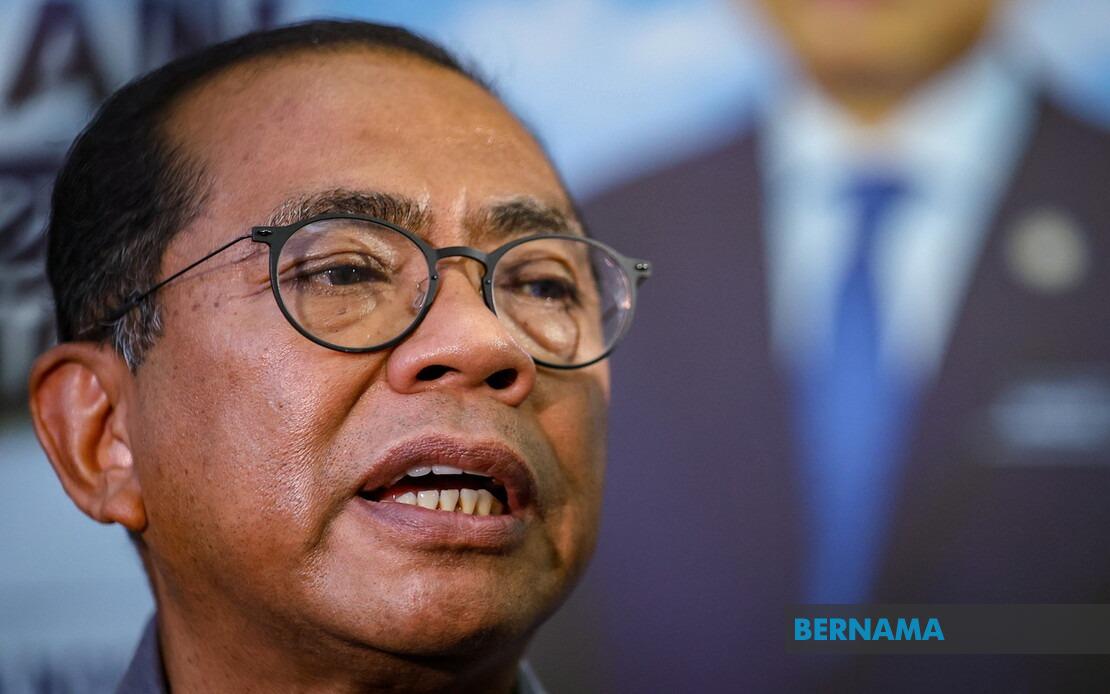
Datuk Seri Mohamed Khaled Nordin touched down at Noi Bai International Airport in Hanoi on Monday to commence his inaugural official defence mission to Vietnam since taking the ministerial portfolio. The two-day engagement represents a significant moment in Malaysia-Vietnam relations, underscoring Kuala Lumpur's commitment to strengthening security partnerships across Southeast Asia at a time of heightened regional strategic considerations.
The Malaysian Defence Minister's journey to Hanoi carries particular weight given the evolving security landscape in the region. Vietnam, as a major player in Southeast Asian geopolitics and an increasingly significant defence partner for numerous countries, occupies a central position in Malaysia's broader strategic calculations. This visit signals Malaysia's intention to move beyond routine diplomatic courtesies and establish substantive, forward-looking defence mechanisms that address shared security challenges.
During his stay, Mohamed Khaled is slated to engage with Vietnam's Prime Minister Le Minh Hung and Deputy Prime Minister and Minister of National Defence Gen Phan Van Giang. These high-level meetings provide a platform for discussing practical cooperation mechanisms, joint exercises, capacity-building initiatives, and other defence matters of mutual concern. The calibre of interlocutors reflects the importance both nations attach to this relationship.
Malaysia and Vietnam have cultivated defence ties that stretch back decades, yet the relationship continues to evolve in response to regional dynamics and shared strategic imperatives. The Defence Minister's remarks emphasise this historical continuity while signalling an ambition to propel the partnership into new dimensions. The renewal of their Memorandum of Understanding on defence cooperation in December 2023 exemplifies this forward momentum, establishing a renewed contractual foundation for collaboration across various military domains.
The December 2023 accord serves as a critical benchmark in Malaysia-Vietnam defence relations. Rather than representing a mere procedural renewal, the updated MOU reflects deliberate intention by both governments to signal institutional commitment to their defence partnership. For Malaysian observers, this framework provides reassurance that security cooperation will proceed on a stable, mutually beneficial trajectory. For Vietnamese counterparts, it demonstrates Malaysia's reliability as a partner nation invested in broader Southeast Asian stability.
Mohamed Khaled's expressed hope to elevate defence ties to unprecedented levels suggests ambitions extending beyond existing bilateral cooperation. This could encompass expanded maritime security collaboration, intelligence-sharing protocols, joint training and exchange programmes, defence industry partnerships, or enhanced coordination on regional security matters affecting both nations. Such deepening would reflect the reality that Malaysia and Vietnam face overlapping security concerns, from maritime domain awareness to transnational challenges.
Regional peace and stability emerge as persistent themes in Malaysia's diplomatic messaging toward Vietnam. This framing acknowledges that bilateral defence cooperation operates within a broader Southeast Asian context where stability remains contested. Both nations share interests in upholding the rules-based international order, maintaining freedom of navigation, and preventing unilateral actions that could destabilise the region. The Defence Minister's emphasis on contributing to regional peace positions the Malaysia-Vietnam relationship as stabilising rather than provocative.
For Malaysian defence planners, strengthening Vietnam ties offers concrete advantages. Vietnam's sophisticated military capabilities, battle-tested experience, and strategic location along vital sea lanes make it a valuable reference point for Malaysian strategic thinking. Conversely, Malaysia's location in the Strait of Malacca and its own maritime expertise provide value to Vietnamese defence considerations. This complementarity creates genuine grounds for mutually beneficial cooperation extending across naval operations, cybersecurity, counter-terrorism, and humanitarian assistance.
The timing of this visit merits consideration within the broader context of Malaysian foreign policy. As Kuala Lumpur navigates complex relationships with major powers and regional neighbours, deepening ties with ASEAN partners like Vietnam reinforces Malaysia's commitment to regional cohesion and intra-ASEAN solidarity. In an era when extraregional powers increasingly project influence into Southeast Asia, stronger Malaysia-Vietnam defence coordination can strengthen ASEAN's collective position.
Mohamed Khaled's inaugural Vietnam defence visit also carries symbolic importance for domestic audiences. New Defence Ministers often use early foreign visits to signal priorities and establish personal relationships with counterparts. By choosing Vietnam as a first official destination, the Malaysian minister emphasises the importance of regional partnerships and defence cooperation over other possible priorities. This messaging shapes perceptions about the ministry's strategic orientation during his tenure.
Looking forward, the outcomes of this visit could reverberate across Malaysia's broader defence agenda. Successful high-level engagement with Vietnam may establish momentum for similar deepened partnerships with other ASEAN nations, creating a more cohesive regional defence posture. Joint initiatives agreed during this visit—whether training exchanges, intelligence cooperation, or joint exercises—could become blueprints for broader regional security architectures.
The Malaysia-Vietnam defence relationship ultimately reflects a mature partnership between two nations sharing democratic commitments, ASEAN membership, and mutual interests in regional stability. While challenges and complexities inevitably characterise any bilateral relationship, the Defence Minister's visit demonstrates sustained commitment to navigating these within a framework of cooperation and mutual respect.

