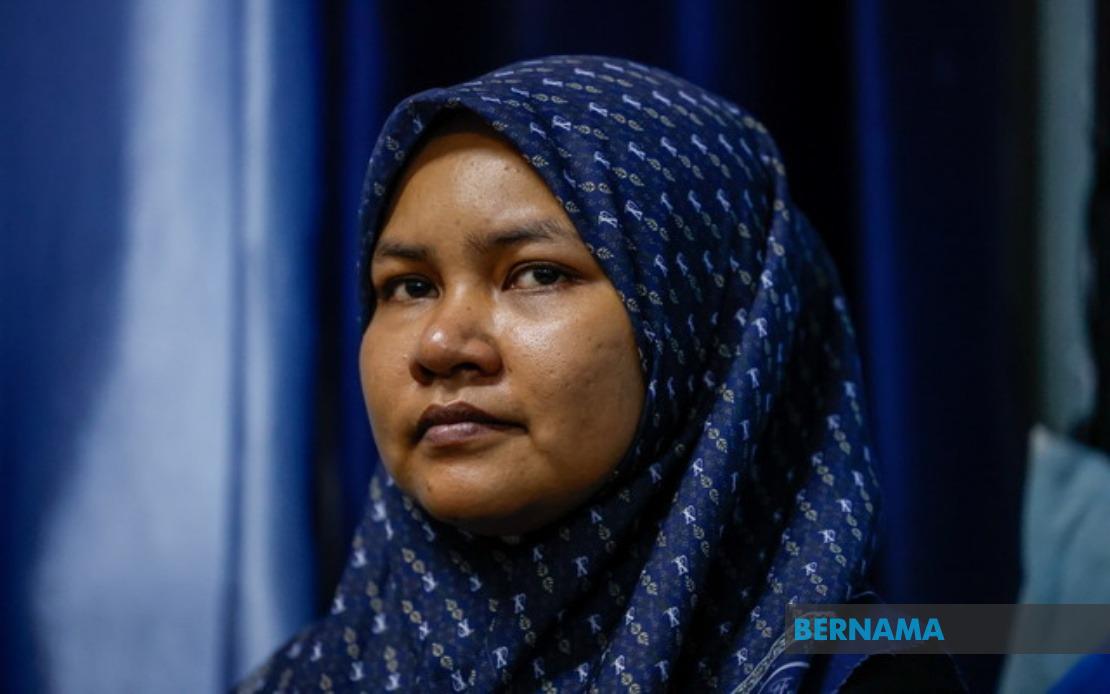
The widow of 33-year-old delivery rider Amirul Hafiz Omar is moving forward with plans to pursue a RM1 million civil claim against the driver involved in the fatal collision that claimed her husband's life on Jalan Raya Barat in Klang. According to her legal representative Nur Iffah Hizwani Omar, the writ of summons and statement of claim have been prepared and are scheduled for filing in August, contingent upon outstanding administrative procedures.
Nor Nadia Abdul Majid, 32, has instructed her legal team to seek RM1 million in damages through the Shah Alam High Court. However, the filing of the formal suit remains dependent on the issuance of a Letter of Administration from the Kuala Lumpur High Court, a critical legal document required when an estate proceeds without a prepared will. The court is expected to rule on this application on July 28, clearing the path for the next phase of legal action.
A significant procedural step involves obtaining comprehensive financial records from the e-hailing company where Amirul Hafiz generated supplementary income. These documents prove essential for quantifying the actual damages claim, as they establish the household's total financial loss resulting from his death. The legal team must calculate not only his primary earnings but also the secondary income generated through the ride-hailing platform to accurately reflect the family's diminished financial capacity.
The criminal proceedings against the accused driver have already advanced considerably. R. Saktygaanapathy, 28, was initially charged under Section 302 of the Penal Code with murder on April 1 following the March 29 incident. However, the charge was amended in June, with Saktygaanapathy subsequently pleading not guilty to self-administering tetrahydrocannabinol under Section 15(1)(a) of the Dangerous Drugs Act 1952. This modification reflects the prosecution's strategy and the complexity of establishing causation in traffic fatality cases involving impaired driving.
Nor Nadia has spent the past four months adjusting to her dramatically altered circumstances, transitioning from being primarily a caregiver to becoming the sole household provider and parent. She described the emotional progression of her grief, explaining that the initial shock masked the deeper loss. Only after three months did the true weight of her husband's absence crystallise, coinciding with her assumption of responsibilities he previously managed.
The daily routines that defined her family's structure now fall entirely upon her shoulders. Amirul Hafiz had maintained a disciplined schedule, transporting their children to school each morning and collecting them at midday to ensure they shared lunch together. This commitment, executed consistently regardless of weather conditions, underscored his dedication to maintaining family cohesion despite the demanding nature of delivery work. These same responsibilities now demand her time and energy, compounding the emotional burden of loss with practical overwhelming demands.
For Malaysian families dependent on gig economy workers, this case highlights the precarious financial position created when a primary income earner is suddenly removed from the household. Delivery riders like Amirul Hafiz occupy a particularly vulnerable position within the workforce, operating with minimal occupational protections and no guaranteed safety nets. Their families bear the full consequences of fatal accidents, whether caused by mechanical failure or external factors such as impaired driving by other road users.
The civil suit mechanism provides one avenue through which dependents may obtain financial compensation, though such proceedings typically require years to resolve through the courts. The process of establishing fault, quantifying damages, and navigating the appellate system can extend well beyond a decade in complex cases. During this prolonged period, the widow must manage household finances independently without the security of knowing whether compensation will ultimately materialise.
The distinction between the criminal and civil proceedings is significant for the family's prospects. While the criminal case determines whether Saktygaanapathy bears responsibility under criminal law for death or drug-related offences, the civil suit independently establishes liability for financial damages. Theoretically, unfavourable outcomes in criminal proceedings do not preclude civil recovery, though conviction naturally strengthens the civil claimant's position considerably.
This case also underscores broader road safety concerns within Malaysia's urban centres, particularly in contexts where delivery services have exponentially expanded the volume of vehicles navigating congested roads. The combination of high-speed delivery pressures, distracted driving, and substance abuse creates a dangerous intersection of risk factors that disproportionately affects vulnerable road users.
As Nor Nadia awaits the court's decision on the Letter of Administration and prepares the financial documentation necessary for her claim, she continues managing the immediate crises of single parenthood and household financial management. The RM1 million claim, while substantial, attempts to quantify the irreplaceable loss of a husband's presence and the disruption to the carefully balanced family structure he maintained. The August filing will mark a significant step, though many months of legal proceedings undoubtedly lie ahead before any resolution materialises for this grieving family.

