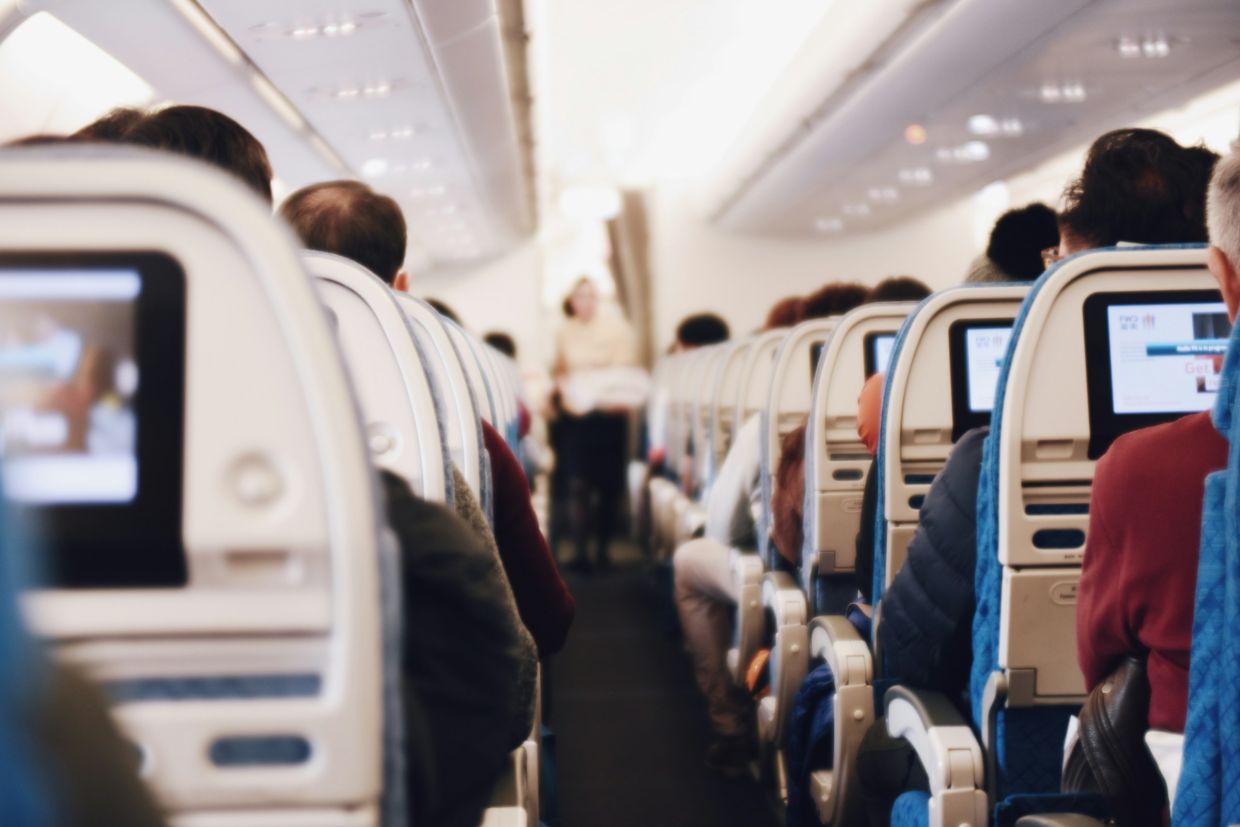
Delta Air Lines has launched a formal investigation into the unexpected activation of an unauthorised WiFi network aboard a Boeing 757 aircraft operating Flight 591 from Las Vegas to Atlanta on Monday, August 10. The incident occurred just one day after the city hosted Def Con, widely regarded as the world's premier cybersecurity and hacking conference. The airline confirmed that the rogue network was operational for only a brief period before crew members successfully deactivated the aircraft's WiFi systems for approximately 30 minutes as a precaution.
The carrier moved swiftly to contain the situation, according to Delta spokesperson Morgan Durrant, who emphasised that no unauthorised access to company systems took place. "Safety of flight was never in question and no aircraft operating systems were affected," Durrant stated in an email on August 11. The statement underscores a critical distinction between airport and in-flight connectivity systems and the aircraft's core flight control and safety infrastructure, a differentiation that has become increasingly important as airlines modernise their digital capabilities.
Multiple federal agencies have become involved in the investigation, reflecting the seriousness with which authorities treat any potential security breach involving commercial aviation. The Federal Bureau of Investigation's Atlanta office acknowledged awareness of the "potential WiFi-related incident" and confirmed it was liaising with local authorities and private sector partners, though officials declined to elaborate further. The Federal Aviation Administration has similarly commenced its own examination of the circumstances surrounding the incident.
From a technical perspective, security experts note that disrupting and spoofing an aircraft WiFi network, whilst certainly unauthorised and potentially illegal, represents a relatively straightforward operation within reach of individuals with modest technical knowledge and inexpensive equipment. Lennart Koopmann, founder of cybersecurity firm Nzyme, explained that such attacks typically involve two distinct steps: disabling the legitimate network and establishing a counterfeit access point that mimics the original. This technique allows the perpetrator to intercept unencrypted data transmitted by unsuspecting passengers.
The equipment required to execute such an attack is remarkably accessible and affordable. Koopmann noted that battery-powered devices capable of conducting this operation can be purchased for approximately US$250 (RM1,022) and are often no larger than a cigarette packet. These tools are widely available for purchase online and are routinely employed by legitimate security professionals conducting authorised penetration testing and vulnerability assessments. This accessibility raises questions about the feasibility of controlling such technology in public spaces like airports and aircraft.
Given the timing and location of the incident, suspicion naturally falls upon attendees of Def Con, one of the world's most influential gatherings for security researchers, hackers, and IT professionals. The conference, which attracts thousands of participants annually, is known for fostering an environment where participants actively explore the boundaries of computer security through demonstrations, workshops, and hands-on challenges. However, conference organisers have distanced themselves from the incident, with Def Con spokesperson Monika Hathaway stating that the organisation had not yet been contacted by either Delta or law enforcement officials.
Def Con's leadership has committed to conducting its own independent investigation into whether any conference attendees were involved in the WiFi incident. The organisation made clear that it maintains strict ethical standards and does not tolerate activities that violate laws or jeopardise public safety. "If one of our attendees was involved, we will ban them from attending in the future and apologise to everyone affected," Hathaway stated, signalling that the conference takes such matters with considerable gravity and is prepared to enforce consequences against offending participants.
The distinction between the aircraft's entertainment and passenger WiFi systems versus its critical avionics and flight control systems is crucial to understanding why federal regulators and the airline itself characterised this incident as serious but not catastrophic. Modern commercial aircraft maintain completely separate networks for these functions, with avionics systems operating on isolated, hardened networks that cannot be accessed from passenger connectivity infrastructure. Nevertheless, any unauthorised intrusion into aircraft systems warrants thorough investigation.
For Malaysian and Southeast Asian travellers, this incident underscores the evolving nature of aviation security in an era where digital connectivity is increasingly integral to the passenger experience. Airlines across the region have similarly invested in WiFi systems to enhance customer amenities, yet this case demonstrates the potential vulnerabilities inherent in bringing wireless technology into the highly regulated environment of commercial aviation. The incident may prompt regional carriers and aviation authorities to review their cybersecurity protocols and passenger screening procedures.
The investigation remains ongoing, with Delta emphasising that a complete understanding of the circumstances will require substantial time to develop. The airline has committed to full transparency as it works alongside federal agencies to determine how the unauthorised network was activated, who may have been responsible, and what measures should be implemented to prevent similar incidents in future. This methodical approach reflects the aviation industry's cautious stance when addressing any security-related concern, however minor or contained the actual threat may have been.
The incident raises broader questions about the challenges of securing complex technological systems in environments where large numbers of people gather with diverse technical capabilities. As cybersecurity threats continue to evolve and become more sophisticated, the aviation industry faces the ongoing challenge of maintaining robust security measures whilst simultaneously delivering the modern digital amenities that passengers increasingly expect. The Delta investigation will likely yield insights that inform security practices across the commercial aviation sector for years to come.

