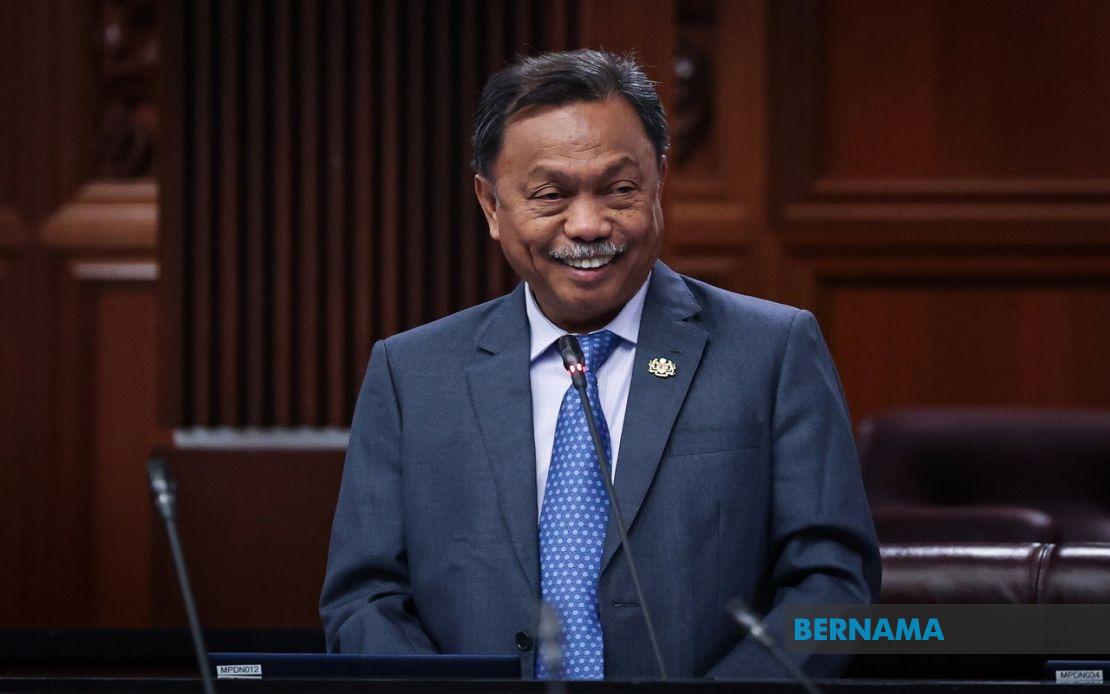
Datuk Dr Mohammad Yusof Apdal, who serves as Deputy Minister for Science, Technology and Innovation, has firmly rejected widespread social media rumours claiming he had stepped down from his ministerial post. The Lahad Datu Member of Parliament issued a formal denial on August 13, emphasising that assertions circulating online regarding his departure from the federal administration are entirely without foundation and represent a deliberate attempt to mislead the public.
In a statement addressing the matter directly, Yusof Apdal stressed his continued allegiance to the Unity Government framework and reaffirmed his ongoing commitment to executing the duties and responsibilities that have been entrusted to him. The minister sought to reassure stakeholders and constituents that he remains fully operational within his portfolio, with no changes to his administrative status or governmental role.
The Parti Warisan politician characterised the unverified claims as not merely inaccurate but distinctly malicious in nature. He highlighted that such misinformation serves a dual destructive purpose: undermining public confidence in official communications whilst simultaneously targeting his personal and professional standing. This distinction between falsehood and deliberate character assassination underscores the seriousness with which Yusof Apdal views the matter.
The origin of these resignation claims appears to trace to a specific social media post that circulated on August 13, asserting that the deputy minister had decided to relinquish his position effective that same date. The post gained sufficient traction to warrant an official response, reflecting how rapidly unsubstantiated political rumours can spread through digital channels in Malaysia's increasingly polarised information ecosystem.
Yusof Apdal's denial highlights an ongoing challenge facing Malaysian politics and governance: the proliferation of unverified claims through social media platforms that can rapidly damage ministerial credibility before official clarifications reach the broader audience. The episode demonstrates how easily ministerial stability can be questioned without factual basis, potentially creating unnecessary uncertainty within government structures and amongst the public.
The deputy minister appealed directly to citizens to exercise greater discernment when encountering political claims online, particularly those lacking official confirmation. He urged the public to prioritise information sourced from verified governmental channels and recognised media outlets rather than unattributed social media content. This appeal reflects a broader governmental concern about information literacy and the need for citizens to develop critical evaluation skills when assessing competing claims in the digital age.
For Malaysian observers, Yusof Apdal's position carries particular significance given the delicate coalition dynamics sustaining the current Unity Government administration. Any ministerial departure, whether genuine or merely rumoured, carries implications for the stability and parliamentary numbers underpinning the administration. The rapid denial of such claims suggests that government communications teams remain acutely sensitive to narratives that might suggest internal fracturing or declining ministerial confidence.
The incident also reflects broader tensions within Malaysian politics regarding the relationship between digital communication, governance accountability, and public information. As online platforms become primary channels through which political narratives develop and spread, ministerial offices find themselves obliged to engage directly with social media claims that might previously have dissipated without formal response. This dynamic reshapes how political figures must manage their public presence and administrative credibility.
Yusof Apdal's background as a Parti Warisan representative from Lahad Datu, Sabah, positions him within a coalition that has navigated significant internal adjustments since joining the broader Unity Government framework. His explicit reaffirmation of commitment to the administration may thus carry layered meaning for observers tracking coalition stability and the sustainability of existing parliamentary arrangements.
The minister's emphasis on referring to official sources for accurate information reflects institutional attempts to reclaim narrative authority from unregulated digital spaces. However, the very necessity of issuing such denials indicates how comprehensively social media has penetrated Malaysian political discourse, creating environments where false claims can generate sufficient momentum to demand ministerial responses regardless of their factual merit.
Moving forward, this episode underscores recurring patterns in Malaysian politics whereby rumours concerning ministerial changes, parliamentary confidence, and coalition adjustments can quickly escalate without substantive foundation. The ability of digital platforms to amplify unverified claims remains a persistent governance challenge requiring continued attention from both institutional authorities and digitally-engaged citizens committed to maintaining standards of political discourse integrity.

