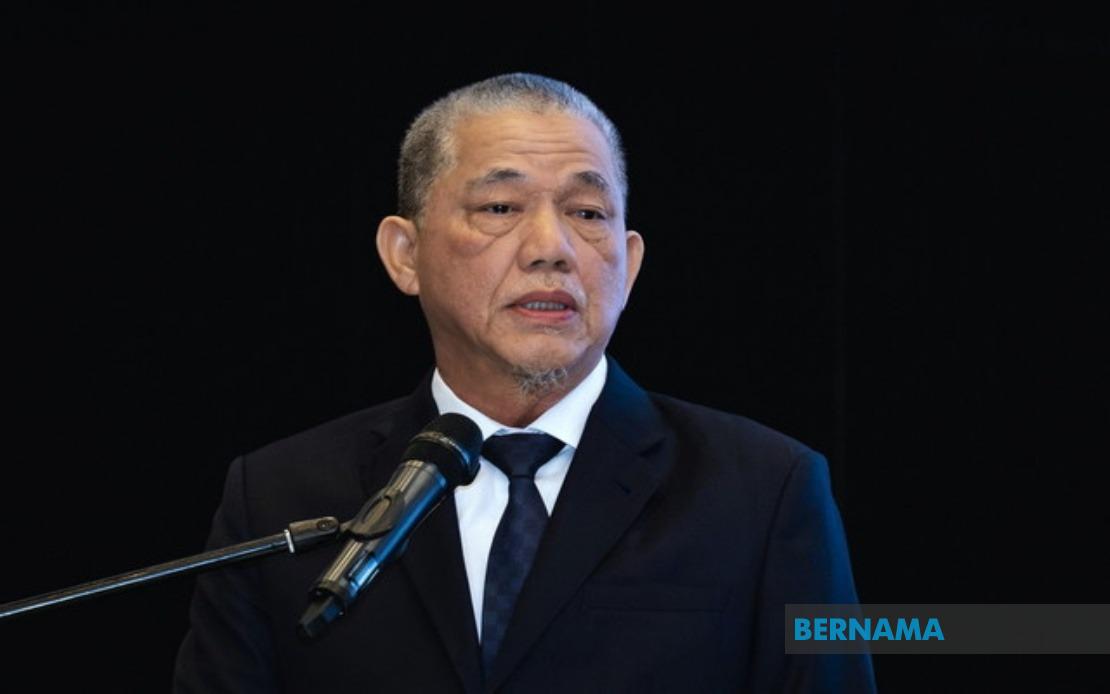
Deputy Prime Minister Datuk Seri Fadillah Yusof is set to undergo heart bypass surgery at the National Heart Institute (IJN) in the near future, according to an announcement made through his office in Putrajaya. The decision to proceed with the operation came after consultation with his medical team, who have determined that the procedure is necessary for his continued health and wellbeing.
Confirmation of the scheduled surgery was provided by Datuk Misiah Taib, serving as press secretary to the Deputy Prime Minister and also in his role as Minister of Energy Transition and Water Transformation (PETRA). The public disclosure of the medical situation represents standard protocol when senior government officials require significant medical interventions, ensuring transparency and allowing for appropriate arrangements at both ministerial and parliamentary levels.
The Deputy Prime Minister's medical condition has been characterised as stable by his healthcare providers, offering reassurance to colleagues, constituents, and the broader Malaysian public who hold significant interest in the wellbeing of senior government figures. Stability in his current state suggests that the surgical intervention, while necessary, is being undertaken from a position of relative strength rather than emergency circumstances. This measured approach allows for comprehensive pre-operative preparation and optimal conditions for successful surgical outcomes.
In preparation for the upcoming procedure and recovery period, Fadillah has been advised to prioritise rest and to limit external engagements and social visits. This medical guidance reflects standard post-operative care protocols designed to minimise complications and facilitate efficient healing. The restriction on receiving visitors, while potentially challenging for a high-profile political figure with extensive professional networks, is a prudent measure that will help his medical team provide focused care during the critical post-surgical period.
Heart bypass surgery represents one of the most significant cardiovascular interventions available in modern medicine, involving the creation of alternative routes for blood flow around blocked or narrowed arteries. The procedure requires substantial preparation, skilled surgical expertise, and extended recovery periods. The National Heart Institute, as Malaysia's premier cardiac care facility, possesses the specialised infrastructure and experienced surgical teams necessary to manage complex bypass cases, making it the appropriate choice for the Deputy Prime Minister's treatment.
Fadillah's family has appealed to the Malaysian public to remember him in their prayers and well-wishes as he undergoes this significant health challenge. Such requests reflect the cultural and spiritual values prevalent in Malaysian society, where religious observance and community support play important roles in supporting patients and families through medical crises. The family's emphasis on maintaining hope and optimism regarding the surgical outcome underscores their confidence in the medical professionals involved.
The family has also extended formal appreciation to all individuals and organisations that have offered support, prayers, and expressions of concern during this period. This gratitude acknowledges the broad network of goodwill that exists across Malaysian society, cutting across political, religious, and ethnic boundaries. Such solidarity during times of health crisis demonstrates the resilience of social bonds and mutual care that characterise Malaysian community life.
The timing and nature of Fadillah's medical condition raises important questions about succession planning and continuity of governance in his ministerial portfolios. As Minister of Energy Transition and Water Transformation, his responsibilities encompass critical sectors affecting Malaysia's energy security and water resource management. The Deputy Prime Minister's office will need to arrange for appropriate delegation of duties during his recovery period to ensure uninterrupted service delivery to the public and continuity of government functions.
This situation highlights the often-overlooked reality that even the highest-ranking officials in government are not immune to serious health challenges. It serves as a reminder of the importance of accessible, quality healthcare infrastructure and the capacity of Malaysian medical institutions to manage complex cases at the highest levels. The IJN's involvement signals confidence in domestic medical expertise and facilities rather than seeking treatment abroad, which carries positive implications for Malaysia's healthcare sector reputation.
The Deputy Prime Minister's forthcoming recovery period will require careful management of his parliamentary and ministerial responsibilities. Colleagues and staff will need to ensure that critical government business continues smoothly while respecting medical recommendations for his convalescence. The predictable nature of a scheduled surgical intervention, compared to emergency situations, allows for orderly transition arrangements and planning.
As Fadillah prepares for surgery, the announcement serves as a unifying moment for Malaysian society, transcending political divisions. Public figures facing serious health challenges often receive expressions of support that reflect shared human concerns about health and recovery, independent of political affiliation or disagreement. This collective focus on the wellbeing of a senior government leader demonstrates mature democratic values and social cohesion.

