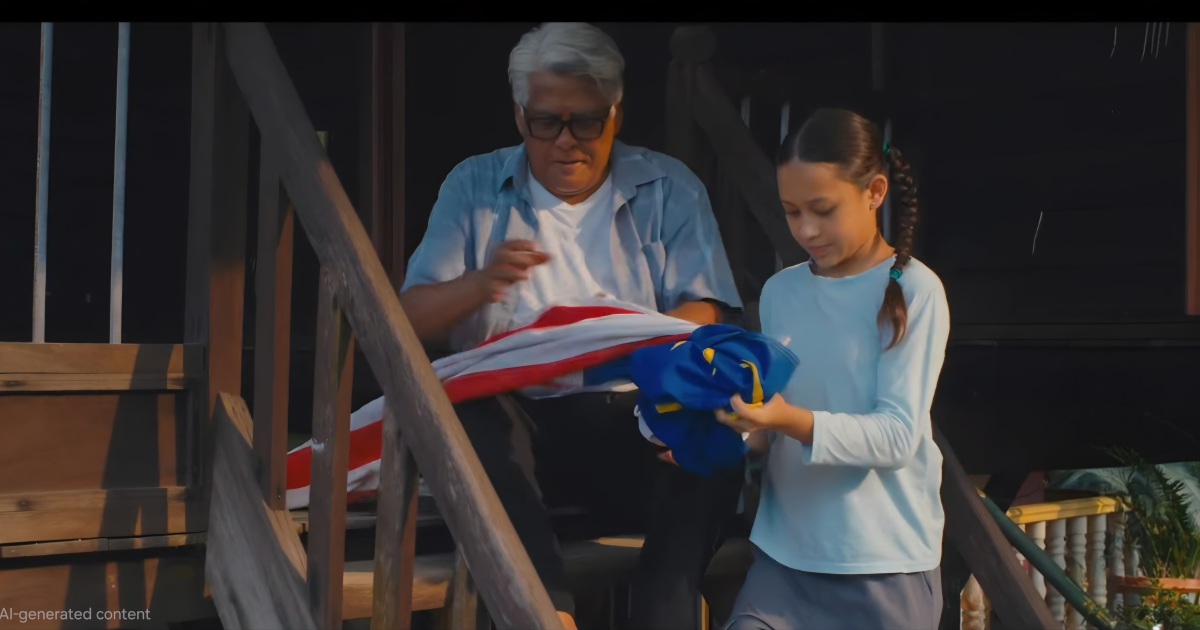
Deputy Prime Minister Datuk Seri Fadillah Yusof has released a poignant eight-minute video marking Hari Kebangsaan that has quietly gained considerable traction among Malaysians engaging with the message on social media platforms. Shared via his official Facebook page during the nation's independence day celebrations, the video takes a notably personal and reflective approach to the annual commemoration, departing from the more ceremonial tone often associated with official government addresses during this patriotic season.
The central message of the video—that Malaysia belongs to all of its citizens—strikes at the heart of ongoing national conversations about identity, inclusion, and what it means to be Malaysian. At a time when the country continues to grapple with questions about pluralism and social cohesion, the Deputy Prime Minister's emphasis on collective ownership of the nation provides a timely reminder of the foundational principles underpinning Malaysia's independence. The statement affirms that the rights and responsibilities of nationhood extend equally across the diverse communities that comprise the federation, rather than being the domain of any single group.
The video's emotional resonance appears to stem from its authenticity and sincerity. Rather than delivering a list of achievements or policy announcements, Datuk Seri Fadillah appears to prioritize connection and reflection, qualities that resonate differently with online audiences accustomed to more transactional political communication. The eight-minute length also suggests a willingness to allow space for the message to develop and unfold naturally, rather than compressing the sentiment into soundbites or brief statements.
For Malaysian audiences grappling with divisive rhetoric that has periodically surfaced in public discourse, the video's unifying message carries particular significance. In a regional context where several Southeast Asian nations have experienced rising tensions around religious and ethnic identity, Malaysia's maintenance of its constitutional framework acknowledging the rights and roles of multiple communities remains an ongoing commitment requiring active reinforcement. By elevating this message through his position, Datuk Seri Fadillah signals the government's continued investment in this foundational principle during a significant national occasion.
The choice to release the message via Facebook, rather than through traditional broadcast media or press conferences, reflects an understanding of how political communication has shifted in the digital age. Malaysians increasingly encounter official messages through social platforms, where they can engage with content on their own terms, share it within their networks, and respond with relative immediacy. This distribution channel has enabled the video to circulate more organically through communities rather than reaching audiences through the filtered lens of traditional gatekeeping mechanisms.
The positive reception online suggests that Malaysians respond positively to inclusive messaging during national celebrations. Comments and shares from diverse demographic groups appear to indicate that the statement resonates across lines of religion, ethnicity, and regional identity. Such cross-community engagement during Merdeka, when national sentiment runs highest, demonstrates the appetite for leadership that emphasizes what unites Malaysians rather than what divides them.
Politically, the timing of the video carries weight. As Malaysia navigates complex governance challenges including economic pressures, regional geopolitical shifts, and internal political dynamics, a clear articulation of the nation's unifying principles from the second-highest office provides reassurance about the government's commitment to constitutional values. The message also implicitly counters any suggestion that recent political developments or policy shifts have altered the fundamental understanding of Malaysia as a nation where all communities have legitimate claims to belonging.
The Merdeka season offers an annual opportunity for national reflection, and Datuk Seri Fadillah's contribution to this year's observance emphasizes regeneration of commitment to shared values rather than nostalgic recitation of historical events. By framing independence day as an opportunity to reaffirm fundamental principles about inclusivity and collective nationhood, the video positions ongoing social cohesion as an active rather than passive undertaking—something that requires periodic renewal and recommitment from both leaders and citizens.
For younger Malaysians, particularly those for whom the independence era is purely historical rather than lived experience, such messaging helps contextualise what the nation's independence actually secured: not just political sovereignty, but a constitutional arrangement permitting multiple communities to coexist with defined rights and mutual obligations. This intergenerational communication becomes increasingly important as demographic change alters the composition of the electorate and as younger citizens form their own conceptions of Malaysian identity.
The video's success in capturing attention and generating positive response also reflects a broader appetite for alternative forms of political communication that move beyond adversarial or transactional modes. Malaysians appear increasingly responsive to leaders who acknowledge complexity and emotion, rather than defaulting to purely policy-oriented or combative rhetoric. In this context, Datuk Seri Fadillah's reflective approach has demonstrated that substantive messages about unity and belonging can compete effectively for attention and engagement in crowded digital spaces.
Looking forward, the video's resonance during Merdeka 2024 may encourage other leaders to similarly emphasise inclusive nationalism during significant occasions. Such messaging, when consistently reinforced across political leadership, contributes to a broader cultural reinforcement of constitutional values and national principles. The cumulative effect of multiple leaders articulating similar messages about collective belonging and mutual respect becomes greater than any single intervention, gradually reshaping the tone and substance of national political discourse.

