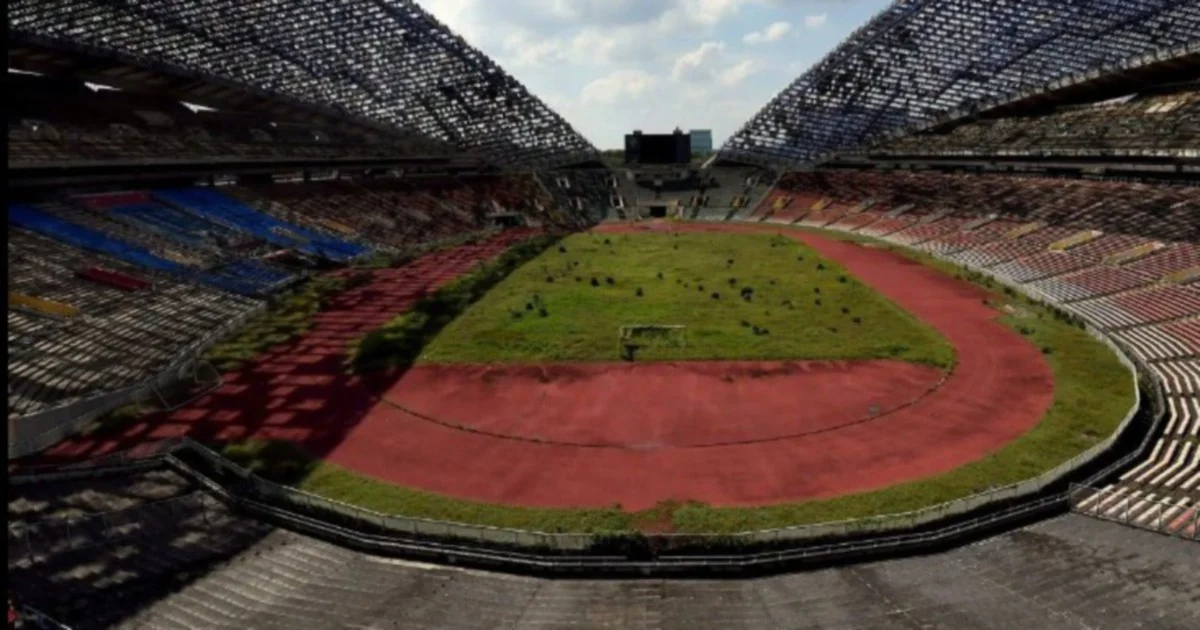
Malaysian Resources Corporation Bhd (MRCB) has successfully obtained a consent judgment at the Shah Alam High Court against activist Abdul Razak Ismail, stemming from online publications relating to the demolition and redevelopment of Shah Alam Stadium. The company argued that these digital posts caused considerable economic harm to its operations and reputation, prompting the legal action.
The dispute centres on the contentious redevelopment project affecting the historic sports facility in Selangor. Shah Alam Stadium, a longstanding landmark in the state capital, has been subject to modernisation plans that have attracted scrutiny from various quarters, particularly activists concerned with heritage preservation and community interests. The decision to demolish and rebuild the structure has remained a sensitive matter within local development discussions.
MRCB's pursuit of the consent order reflects growing tensions between commercial development interests and public criticism channelled through digital platforms. As Malaysia increasingly experiences disputes where online commentary intersects with large infrastructure projects, this case highlights how corporations are leveraging court mechanisms to address perceived reputational damage from social media and web-based discourse. The consent judgment suggests an agreement reached between both parties, though specific terms have not been disclosed.
Abdul Razak Ismail has been a vocal figure in activism circles, particularly regarding urban development and conservation matters in Malaysia. His online publications apparently contested aspects of the stadium project, raising questions about public interest in such initiatives and the boundaries between legitimate criticism and potentially actionable statements. The case underscores the complex legal landscape surrounding digital free speech and corporate interests in an era when activist voices can rapidly mobilise public opinion through internet platforms.
The timing and nature of this judgment carries broader implications for Malaysia's civic space. Legal actions against activists and commentators over online publications have drawn international attention to Malaysia's approach to digital expression. This particular case between a major developer and an environmental-social activist may influence how similar disputes are resolved and what types of online commentary developers consider actionable in future.
SECURING CONSENT ORDERS THROUGH HIGH COURT represents a formal recognition of dispute resolution that avoids protracted litigation. Such agreements typically involve mutual concessions and often include stipulations regarding future communications. For MRCB, the judgment provides legal recourse and establishes formal boundaries around public discourse concerning its projects. For activists and critics, such cases raise questions about the costs and risks of sustained public commentary on controversial developments.
The Shah Alam Stadium project itself reflects Malaysia's ongoing balance between modernisation and preservation. Selangor, as one of Malaysia's most economically dynamic states, frequently witnesses tensions between infrastructure development and heritage concerns. The stadium's redevelopment fits into broader patterns of urban renewal in the Klang Valley, where older sporting facilities face pressure to meet contemporary standards or yield to new commercial purposes.
From an investor perspective, MRCB's action signals that Malaysian corporations increasingly view online criticism as a threat requiring legal remedies. This approach mirrors international precedents where large development firms use courts to silence critics, though it also raises questions about whether such measures inhibit legitimate public discussion about projects affecting urban communities. The consent order suggests both parties found litigation less preferable to negotiated settlement, which itself indicates the potential costs and uncertainties of pursuing such cases through conventional court processes.
For Malaysian civil society and activism communities, this judgment carries cautionary implications. Activists operating in the infrastructure and environmental sectors must now weigh the reputational and legal risks accompanying their online advocacy. While freedom of expression remains constitutionally protected, the costs of defending such freedoms in court can be prohibitive, particularly for individuals without institutional backing. This dynamic potentially shapes which projects attract sustained public scrutiny and which controversies fade without extensive challenge.
The broader context of developer-activist relations in Malaysia has evolved considerably. Earlier confrontations typically occurred through physical protests or media statements, whereas contemporary disputes increasingly materialise through digital platforms where activism can spread rapidly without geographical constraints. MRCB's decision to pursue legal remedies reflects this shift in how corporate entities defend their interests against criticism in an interconnected digital landscape.
Moving forward, this judgment may establish precedent for similar cases. If corporations perceive consent orders as effective mechanisms for restricting online criticism of their projects, expect increased litigation targeting activist commentary. Conversely, activist networks may develop more sophisticated approaches to discussing controversial projects while remaining within legal boundaries, potentially leading to more cautious or coded language in public discourse about major developments.

