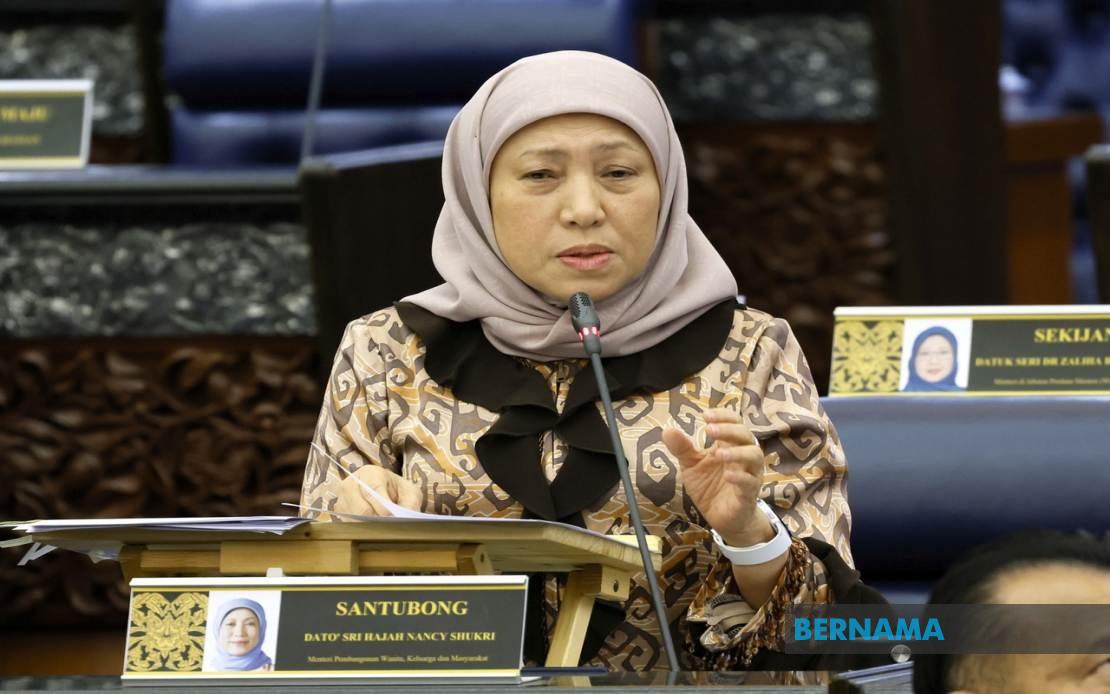
Malaysia's parliament has cleared the way for comprehensive professional regulation of social workers by approving the Social Work Profession Bill 2026, marking the culmination of efforts spanning more than a decade to formally recognise and govern the sector. The Dewan Rakyat voted in favour of the legislation following debate contributions from 23 lawmakers representing both government and opposition benches, with Women, Family and Community Development Minister Datuk Seri Nancy Shukri outlining the government's vision for professionalising a field that has long operated without formal statutory oversight.
The establishment of the Malaysian Social Work Profession Council represents the centrepiece of this regulatory architecture. Rather than imposing an immediate uniform standard across all practitioners, the government has opted for a phased approach designed to manage the practical complexities of bringing public and private sector social workers under a single regulatory regime. This measured strategy acknowledges the existing supervision mechanisms, training protocols, and ethical codes already governing government employees, while recognising that the coordination required to harmonise requirements across multiple ministries and agencies demands careful implementation planning.
During the initial phase, the legislation will require registration of all social workers employed in the private sector—encompassing those with non-governmental organisations, community-based groups, corporate entities, and independent practitioners. However, public sector social workers currently face a different obligation: they need only register if they engage in social work activities outside their formal government roles. This distinction reflects the reality that state-employed social workers already operate within established hierarchical frameworks with defined qualifications, conduct standards, and professional guidelines.
The exemption for public sector practitioners from the standard registration mechanism drew scrutiny from parliamentarians concerned about maintaining consistent professional standards. Ipoh Timor MP Howard Lee raised a pointed question about why government social workers handling sensitive cases—child protection, services for persons with disabilities, elderly care, and family assistance—should escape the same certification requirements imposed on their private sector counterparts. His intervention highlighted the tension between administrative convenience and the principle that citizens deserve equivalent professional quality irrespective of the sector delivering their service.
Minister Shukri emphasised that the government remains committed to achieving comprehensive regulation of all social workers eventually, but acknowledged that this would require developing a suitable legal framework after thorough inter-agency coordination. The Council's mandate extends beyond simple registration; it will develop qualifications standards and competency frameworks, establish complaints mechanisms, draft safety and welfare guidelines for practitioners, and explore proposals such as reciprocity arrangements across jurisdictions. These functions position the Council as an active professional body capable of evolving standards as the field matures.
The legislation deliberately excludes volunteers and informal caregivers from its scope, targeting only those who practise social work professionally. This distinction prevents the regulatory system from becoming unwieldy while acknowledging that community-based and informal care networks perform vital functions outside the professional sphere. Questions regarding minimum wage standards were expressly clarified as remaining subject to existing employment legislation, ensuring that the Bill's passage does not inadvertently alter compensation frameworks or create unforeseen labour law complications.
Financing the Council's operations will fall to government appropriations allocated through annual budget cycles, preventing the creation of a self-funded agency dependent on registration fees that might inadvertently create perverse incentives or financial barriers to professional participation. This funding model ensures that the regulatory body's priorities align with broader policy objectives rather than being driven by revenue considerations, a particularly important safeguard for a profession serving vulnerable populations.
Several lawmakers offered constructive suggestions to strengthen implementation prospects. Kapar MP Dr. Halimah Ali proposed targeted incentive schemes, including grants to NGOs, scholarships for aspiring practitioners, and rural placement incentives, recognising that professional regulation must be accompanied by practical support if the policy is to achieve its developmental objectives. These observations reflect understanding that legislative recognition alone—without adequate resourcing and career pathway development—risks creating barriers rather than opportunities. Kepong representative Lim Lip Eng endorsed the professionalisation initiative while cautioning that recognition must be paired with genuinely independent oversight, fair enforcement mechanisms, and proportionate discipline to ensure the Council functions as a credible regulator rather than merely a practitioners' cartel.
For Malaysia's social work sector, the Bill's passage signals a fundamental shift from an unregulated field employing individuals with varying qualifications to a recognised profession with defined standards and accountability mechanisms. This formalisation carries particular significance for Southeast Asia's development trajectory, where social work increasingly addresses complex modern challenges including family disintegration, child welfare, disability inclusion, and aged care. The timing is strategic: as Malaysia pursues higher-income status and seeks to strengthen social safety nets, professionalising the workforce that delivers frontline assistance becomes increasingly important.
The Bill's provisions also invite reflection on regional patterns. Neighbouring countries grapple with similar questions about regulating social service delivery and ensuring quality in vulnerable populations work. Malaysia's approach—establishing a dedicated council with standard-setting authority while managing the transition from existing public sector arrangements—offers a potential template, though implementation experience will ultimately determine whether the phased strategy effectively raises overall professional standards or inadvertently creates a two-tier system where public and private practitioners operate under different expectations.
Beaufort MP Datuk Siti Aminah Aching highlighted another consideration: ensuring that professionalisation benefits extend across the entire nation, including Sabah and Sarawak, where remoteness and smaller population concentrations present particular service delivery challenges. The Bill's success will depend partly on whether the Council proactively develops policies supporting qualified practitioners in underserved regions or whether market forces concentrate expertise in urban centres, potentially widening gaps in service availability.
As the Malaysian Social Work Profession Council takes shape and begins developing the regulations, guidelines, and competency frameworks mandated by the legislation, the profession will undergo substantial transformation. The coming months will test whether the government's phased implementation strategy delivers the comprehensive integrated regulation it envisions, and whether practitioners themselves, particularly those already operating under public sector arrangements, view the new framework as genuine professional advancement or bureaucratic burden. The Council's early decisions about registration processes, qualification recognition, and enforcement priorities will set the tone for whether this decade-long legislative journey ultimately elevates social work as intended.

