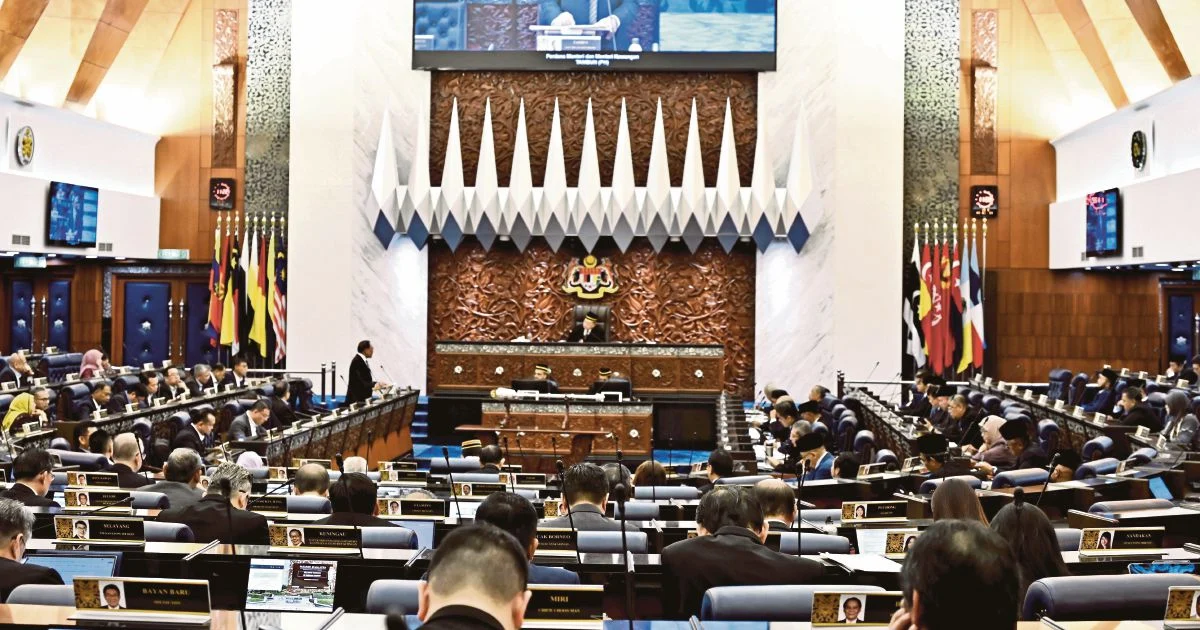
The Dewan Rakyat descended into acrimony within an hour of convening for a fresh parliamentary sitting, as opposition and government lawmakers locked horns in a contentious exchange that exposed simmering tensions within the country's political landscape. The confrontation emerged from a procedural matter concerning the status of the opposition leader, which quickly escalated into a broader dispute touching on coalition dynamics and the treatment of coalition partners by dominant figures within the ruling bloc.
The clash centred on allegations that PAS, as the largest component of the government coalition by parliamentary representation, has been exerting undue pressure on its smaller coalition partner Bersatu. These tensions represent a continuation of fault lines that have periodically surfaced within Malaysia's federal government since the 2023 general election, when PAS and Bersatu joined forces to anchor Prime Minister Anwar Ibrahim's administration. While both parties maintain they operate within a framework of mutual respect, the parliamentary exchange suggested that behind-the-scenes friction continues to complicate governance.
Takiyuddin Hassan, a prominent opposition figure, seized on the procedural dispute to raise broader questions about how the ruling coalition manages its internal affairs. His intervention reflected opposition strategy to highlight governance weaknesses and coalition instability, tactics that aim to chip away at public confidence in the current administration. By channelling criticism through parliamentary mechanisms, the opposition sought to create a record of grievances while testing government discipline and unity on the floor of the house.
The government MP's response reflected official efforts to defend coalition cohesion and rebut accusations of bullying or marginalisation of Bersatu. Government speakers emphasised formal agreements underpinning the coalition arrangement and argued that internal disagreements were being managed through established channels rather than festering into structural problems. However, the intensity of the parliamentary clash suggested that the reassurances carried only limited conviction among observers monitoring coalition stability.
For Malaysian readers and regional observers, these parliamentary theatrics carry practical significance. Coalition stability directly affects the government's ability to pass legislation, defend against no-confidence motions, and maintain executive authority. A fractious ruling coalition creates opportunities for defection, encourages backbench rebelliousness, and complicates long-term policy planning. The Malaysian parliament, where narrow majorities frequently determine outcomes on sensitive votes, amplifies the stakes of any discord among government partners.
The Bersatu-PAS relationship warrants particular attention given Malaysia's history of coalition fragmentation. Previous federal governments have struggled when smaller coalition partners felt marginalised or when larger partners sought to dominate decision-making. Bersatu, despite its relatively modest parliamentary footprint, carries significance due to its electoral presence in key states and the personal standing of its president. Any perception that Bersatu has become a subordinate partner rather than an equal stakeholder risks triggering internal dissatisfaction that could cascade into broader political instability.
Parliamentary exchanges like the one that unfolded today serve as early warning indicators of coalition strain. Unlike behind-closed-doors negotiations where grievances can be aired and managed discreetly, public parliamentary disputes become focal points for media commentary, opposition agitation, and backbench concern. Takiyuddin's intervention succeeded in elevating internal coalition tensions into a matter of public record, creating political capital that opposition parties can subsequently leverage in debate and campaign narratives.
The timing of this confrontation, emerging within minutes of the parliamentary session opening, suggests that tensions were already at a boiling point. Rather than diplomatic exchanges gradually escalating, the speed with which rhetoric became heated indicates that participants were primed to engage in confrontation. This readiness to clash publicly raises questions about the state of pre-parliamentary coordination among government MPs and the effectiveness of coalition leadership in maintaining unified messaging.
For Southeast Asian observers, Malaysian parliamentary dynamics carry regional implications. Coalition governance structures and the mechanisms by which multi-party arrangements manage internal differences offer lessons relevant across the region, where coalition politics predominates. Malaysia's experience with integrating diverse political parties into functional executive arrangements influences how other Southeast Asian democracies approach similar challenges. The current visible strain on the ruling coalition invites regional reflection on coalition sustainability and the institutional arrangements necessary to prevent partner parties from feeling squeezed out or undervalued.
Moving forward, the government faces pressure to demonstrate that coalition differences can be resolved without recourse to public parliamentary theatrics that undermine confidence in unified governance. This likely requires explicit reaffirmation of coalition principles, clearer mechanisms for addressing partner grievances, and visible gestures affirming Bersatu's status within the arrangement. Opposition parties will continue to probe for evidence of coalition fracturing, seeking to widen any existing gaps through parliamentary tactics and public messaging designed to encourage defection or withdrawal.
The incident also highlights the broader challenge confronting Malaysia's governing structure in maintaining coalition discipline while respecting the autonomy and dignity of coalition partners. As parliament continues its sitting, observers will monitor whether today's exchange proves an isolated outburst or a precursor to deeper instability requiring urgent coalition management intervention.