%22%2F%3E%3C%2Fpattern%3E%3C%2Fdefs%3E%3Crect%20width%3D%22100%25%22%20height%3D%22100%25%22%20fill%3D%22url(%23ph44folg)%22%2F%3E%3Crect%20width%3D%22100%25%22%20height%3D%22100%25%22%20fill%3D%22url(%23ph44folp)%22%2F%3E%3Ctext%20x%3D%2250%25%22%20y%3D%2250%25%22%20text-anchor%3D%22middle%22%20dominant-baseline%3D%22central%22%20fill%3D%22rgba(255%2C255%2C255%2C0.95)%22%20font-family%3D%22Georgia%2C%20'Times%20New%20Roman'%2C%20serif%22%20font-weight%3D%22700%22%20font-size%3D%22226%22%20letter-spacing%3D%22-0.02em%22%3EDiesel%3C%2Ftext%3E%3C%2Fsvg%3E)
Malaysia's subsidised diesel price is set to fall to RM2.10 per litre from July, marking another step in the MADANI Government's broader push to restructure how the country distributes fuel support. Datuk Mustapha Sakmud, Minister in the Prime Minister's Department overseeing Sabah and Sarawak, framed the reduction as tangible proof that economic reforms and carefully designed subsidy programmes are beginning to ease pressures on household budgets and improve living standards across the nation.
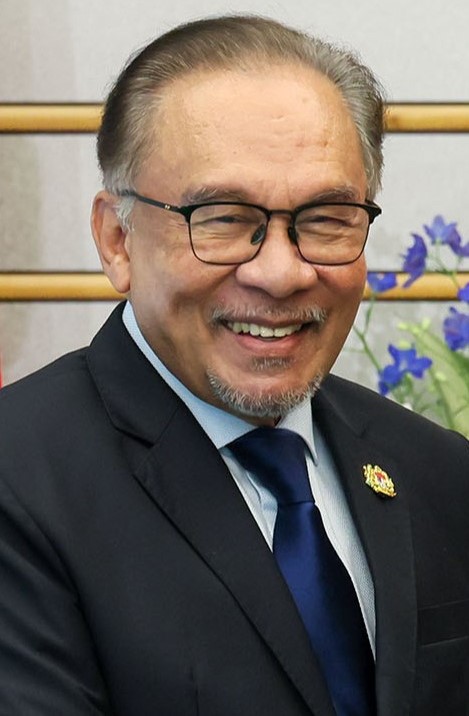
The price cut, announced by Prime Minister Datuk Seri Anwar Ibrahim, introduces a uniform subsidised rate for diesel using the same MyKad-based verification system already deployed in the BUDI MADANI RON95 petrol programme. This technology-driven approach aims to create a more precise welfare mechanism, ensuring that fuel support flows only to Malaysian citizens who qualify for assistance rather than dispersing benefits broadly across the population or leaking into informal markets.
Mustapha emphasised that the targeted subsidy framework addresses long-standing structural inefficiencies that have plagued Malaysia's fuel support system. Smuggling and leakage have historically drained resources without reaching intended beneficiaries, particularly in border regions where price differentials create incentives for illegal cross-border trade. By restricting eligibility through digital verification, the government hopes to recapture spending that previously evaporated through informal channels, redirecting those savings toward genuine relief for Malaysian households struggling with inflation.
The timing of this measure reflects Malaysia's broader economic strategy as global energy markets face considerable strain. Geopolitical tensions in West Asia, combined with shifting patterns in international oil supply and pricing, have made energy security a critical concern for policymakers across the region. Mustapha highlighted that countries must adopt more sophisticated, strategic approaches to managing energy supplies while protecting domestic economies from external shocks—a principle guiding Malaysia's recent diplomatic and commercial engagement.
The government has intensified efforts to strengthen energy cooperation with major suppliers including Russia and Turkmenistan, while simultaneously securing longer-term arrangements with established energy-producing nations. These moves aim to diversify Malaysia's energy portfolio and reduce dependency on any single source or pricing mechanism. Within this context, the ability to reduce domestic fuel prices—even modestly—signals that Malaysia's energy security investments are beginning to yield tangible benefits for consumers.
Currently, the price structure for diesel reflects significant regional disparities. In Sabah and Sarawak, diesel is already supplied at the subsidised rate of RM2.15 per litre across all petrol stations, reflecting these states' special constitutional arrangements regarding fuel pricing. Peninsular Malaysia, by contrast, has operated without general diesel subsidies, with retail prices at unsubsidised levels of RM4.37 per litre. The reduction to RM2.10 will narrow this gap, though regional differences will persist based on existing policy frameworks for East Malaysia.
For Malaysian consumers, particularly those in transport, logistics, and agriculture sectors that depend heavily on diesel, the five-sen reduction may seem modest. However, Mustapha and government officials have positioned it as evidence that macro-economic stabilisation efforts are creating fiscal space for targeted relief measures. The administration argues that disciplined management of public finances, combined with productivity improvements and revenue optimisation, has allowed modest price reductions without unsustainable expansions to the subsidy budget.
The MyKad verification system represents a significant operational shift in how Malaysia administers fuel support. Unlike blanket subsidies that benefit all consumers regardless of need, the targeted approach attempts to reserve government support for those most vulnerable to fuel price shocks. This aligns with broader trends in Southeast Asian welfare policy, where governments increasingly employ digital tools to improve the efficiency and equity of social spending. Malaysia's implementation could serve as a model or cautionary tale for neighbouring countries evaluating their own subsidy mechanisms.
Implementing such systems, however, carries operational challenges. Adequate digital infrastructure must reach all petrol stations, training staff to verify MyKad credentials requires investment, and the system must function reliably across remote and densely populated areas alike. Any technical failures or inconsistent application could generate public frustration and undermine confidence in the government's subsidy fairness. The success of the existing BUDI95 petrol programme will therefore be closely watched as a predictor of how effectively the diesel programme can function at scale.
For Malaysian businesses and consumers, the implications extend beyond the immediate price change. If the MyKad-based system proves robust and widely accepted, it could establish a template for future subsidy reforms across multiple sectors. The government has signalled interest in similar targeted approaches for other essential goods and services, potentially reshaping the welfare architecture Malaysia has relied upon for decades. This transition away from universal subsidies toward means-tested support represents a fundamental philosophical and practical shift in state intervention in the economy.
The diesel reduction also carries symbolic weight in Malaysia's broader political economy. Fuel prices are historically sensitive political issues, triggering public concern and opposition when they rise significantly. By demonstrating capacity to lower prices during a period of global economic turbulence, the government stakes a claim to economic competence and responsiveness to public welfare. For ordinary Malaysians, particularly those in transport, food production, and manufacturing sectors, even modest price reductions offer some relief from cost-of-living pressures that have accumulated over recent years.
Regionally, Malaysia's approach to energy security and subsidy management reflects broader Southeast Asian dynamics. Most nations in the region grapple with similar tensions between maintaining energy security, managing fiscal budgets, and protecting consumers from price shocks. Malaysia's combination of strategic energy diplomacy, targeted subsidy redesign, and digital governance infrastructure represents one approach to navigating these competing pressures—an experiment that will be observed closely by policymakers across the region.