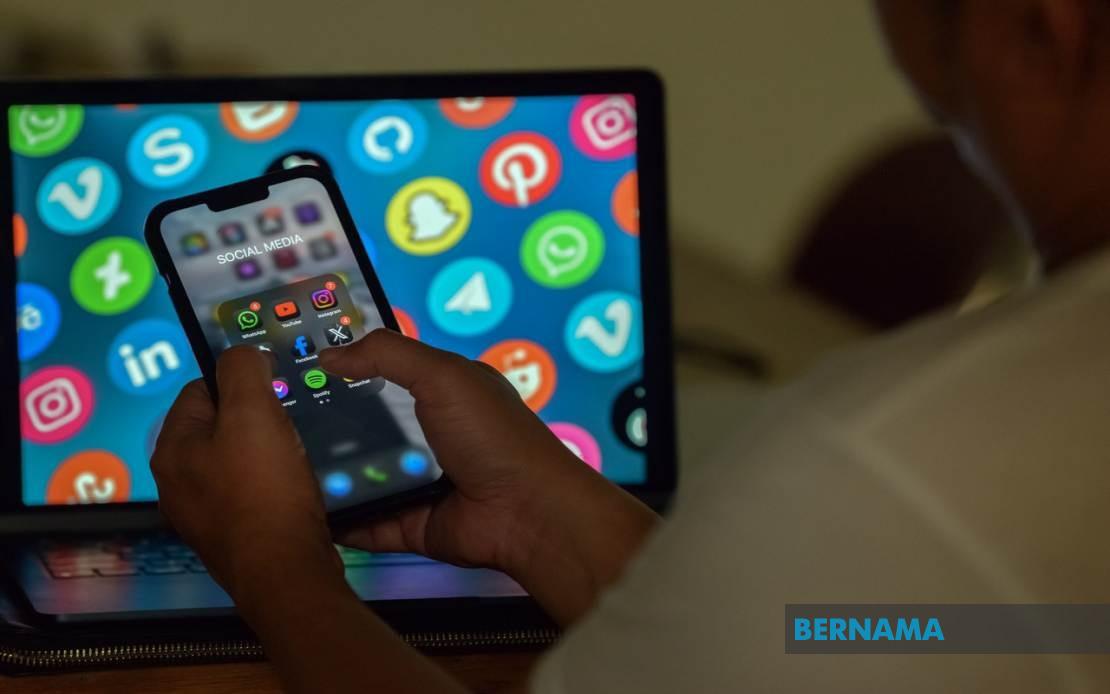
The upcoming Negeri Sembilan state election on August 1 is witnessing a decisive shift in how political candidates connect with voters, with digital platforms emerging as the dominant campaign landscape. Rather than relying solely on traditional ground operations such as walkabouts and printed materials, contenders from the three major coalitions—Pakatan Harapan, Barisan Nasional, and Perikatan Nasional—have embraced an aggressively multi-platform social media strategy. This transformation underscores how Malaysian electoral politics is evolving in response to changing voter demographics and consumption habits, particularly as younger cohorts increasingly reject conventional political messaging in favour of curated online content.
The strategic deployment across different platforms reflects a sophisticated understanding of generational media preferences. Candidates are no longer broadcasting uniform messages across all channels; instead, they carefully segment their audience and tailor content accordingly. Older demographics, including Baby Boomers and Generation X, receive more traditional long-form content on Facebook and YouTube, formats that align with their established viewing habits. Middle-aged voters and Millennials gravitate towards similar platforms but increasingly respond to more dynamic visual storytelling. Generation Z voters, who comprise a growing portion of the Negeri Sembilan electorate, predominantly congregate on TikTok, Threads, and Instagram, where short-form video and ephemeral content dominate the conversation.
This demographic-driven approach has fundamentally altered the nature of political discourse in the state. Rather than delivering lengthy speeches at ceramah or relying on campaign rallies as primary messaging vehicles, candidates now invest heavily in producing Point of View clips, trending audio integration, and behind-the-scenes content that humanises their political personas. The shift represents more than mere technological adoption; it reflects a recognition that voter engagement in 2024 requires meeting audiences where they naturally congregate, in formats they actively consume. The state's 889,490 registered voters represent a substantially heterogeneous population across age groups, and reaching them effectively demands precisely this kind of differentiated messaging strategy.
Pakatan Harapan's campaign demonstrates this multi-layered approach in action. Menteri Besar Datuk Seri Aminuddin Harun, contesting the Linggi seat, has systematically documented his daily campaign activities through photographs and video documentation. His content calendar includes candid moments such as performing Subuh prayers with constituents, sharing casual breakfasts in residential neighbourhoods, and traversing the constituency on a motorcycle to emphasise accessibility. These are carefully constructed narratives designed to communicate qualities such as piety, approachability, and dedication—but conveyed through informal visual media rather than formal political statements. Aminuddin's messaging emphasises continuity and competence, framing the Pakatan Harapan government's track record as justification for renewed voter support, and positioning the August 1 election as a choice between stability and uncertainty.
Other coalition candidates have adopted similarly innovative approaches. PH's Paroi representative, known popularly as Ustaz Shahir or Ahmad Shahir Mohd Shah, has leveraged his personal brand and religious credentials through intensive social media engagement to articulate a vision of constituency development centred on economic competitiveness and prosperity. In the Rantau constituency, PH candidate Dr Azizul Hakim Mahdi integrates his professional medical background into his campaign narrative, organising community health screenings for elderly residents while simultaneously documenting these activities for social media distribution. This strategy simultaneously delivers tangible constituent services while generating authentic campaign content, blurring the boundary between governance and political communication.
Barisan Nasional has pursued comparable digital strategies through its established candidates. Rantau's Datuk Seri Mohamad Hasan and Pertang's Datuk Seri Jalaluddin Alias have both embraced social media platforms to showcase their campaign activities and maintain voter engagement. The approach allows established political figures to reinforce their presence and responsiveness whilst reaching voters who may not attend physical campaign events. For Barisan Nasional, this digital infrastructure serves particularly important functions in constituencies where demographic shifts and political realignment have created more competitive electoral environments than historically existed.
Perikatan Nasional, including its component party Parti Pribumi Bersatu Malaysia, has similarly adopted digital-first messaging strategies. Smaller political entities such as Parti Orang Asli Malaysia, Parti Sosialis Malaysia, and Barisan Jemaah Islamiah Se-Malaysia have also recognised that social media accessibility provides cost-effective platforms for candidates operating with more limited campaign resources. Independent candidates contesting the election have likewise harnessed these digital tools to establish political presence and articulate policy positions without institutional party infrastructure. This democratisation of campaign reach through social media potentially redistributes political advantage away from exclusively well-resourced major parties.
The technical toolkit employed by contemporary candidates reflects evolution in digital marketing practices. Infographics summarising policy positions and manifestos provide digestible policy information tailored for rapid social media consumption. Livestreams enable real-time interaction with voters whilst simultaneously broadcasting to broader audiences. Short-form video content—particularly Reels and YouTube Shorts—compresses messaging into formats optimised for mobile viewing and algorithmic distribution. These production techniques require distinct creative skillsets compared to traditional political communication, and successful campaigns have invested in digital content creators, video producers, and social media strategists alongside conventional campaign organisers and grassroots mobilisation teams.
For Malaysian observers, the Negeri Sembilan election serves as a regional bellwether for electoral digitalisation trends. As a relatively urbanised state with substantial younger population concentrations, Negeri Sembilan represents conditions where social media campaigns achieve particular effectiveness. The patterns emerging here—generational segmentation, platform specialisation, and content personalisation—will likely diffuse across other Malaysian states as parties recognise the electoral returns generated through digital engagement. The approach also indicates how Malaysian politics increasingly mirrors global campaign methodologies, where data analytics, voter segmentation, and personalised messaging form the infrastructure of contemporary electoral competition.
The practical implications for voter engagement remain uncertain, however. While social media enables broader reach and more frequent candidate-voter contact, it simultaneously creates information ecosystems where voters primarily encounter narratives and messaging aligned with their existing preferences. The algorithmic amplification inherent to platforms such as TikTok and Instagram may intensify political polarisation by concentrating voters within ideologically consonant content bubbles. Additionally, questions regarding content authenticity, the prevalence of manipulated or misleading information, and the capacity of voters to critically evaluate digital campaign material remain largely unresolved in the Malaysian electoral context.
As the Negeri Sembilan election approaches its conclusion—with early voting scheduled for July 28 and main polling on August 1—the campaign's reliance on digital platforms will likely intensify further. The final weeks preceding an election typically witness accelerated campaign activity, and social media environments become particularly information-saturated. Candidates will continue optimising their content strategies, responding to emerging issues, and competing for voter attention across multiple platforms simultaneously. The election will ultimately reveal the electoral efficacy of these digital strategies, providing insights into whether social media engagement genuinely influences voting behaviour or merely supplements traditional campaign mechanisms that remain determinative.

