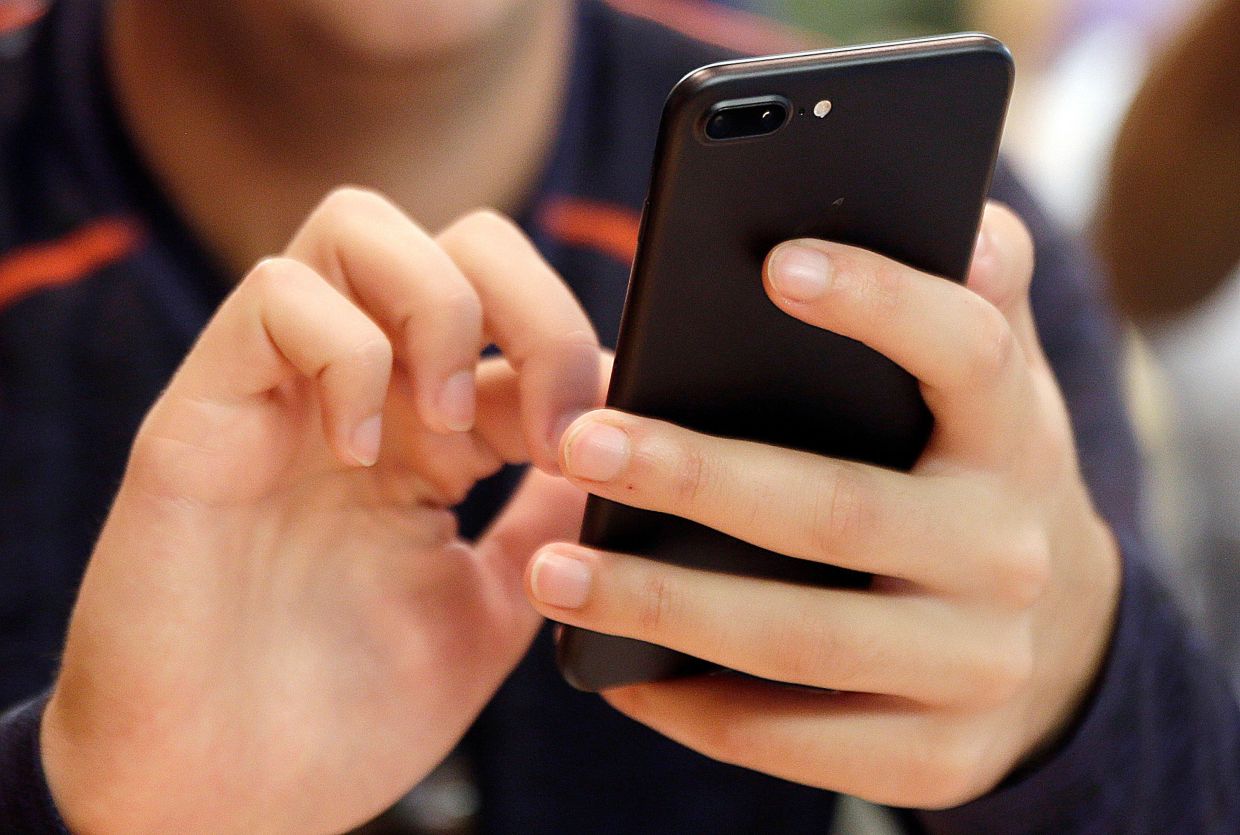
The modern smartphone habit is taking a physical toll on users' hands. What began as BlackBerry thumb has evolved into a widespread phenomenon affecting millions of people who spend hours daily typing, scrolling and holding devices of increasing size and weight. Medical professionals now recognise texting thumb as a legitimate condition encompassing various forms of discomfort, from simple stiffness and joint tenderness to troublesome clicking sensations when flexing the thumb. Without intervention, these seemingly minor irritations can progress into serious musculoskeletal disorders that impair daily functioning.
The condition manifests through several warning signs that users should not dismiss. Repeated contact with touchscreens and buttons gradually fatigues the delicate tendons surrounding the thumb and fingers, while holding devices in fixed positions for extended periods strains the joints. The cumulative effect of locking wrists and elbows in static postures for hours creates soreness at the base of the thumb and wrist. Contemporary usage patterns intensify the problem: smartphones have become portals for entertainment, commerce, and communication far beyond simple text messaging and calls. Users now doomscroll through social media feeds, manage financial transactions, and consume entire television series on handheld screens, multiplying the duration and intensity of hand stress throughout the day.
Dr Maureen O'Shaughnessy, affiliated with the University of Kentucky HealthCare Hand Center, emphasises that avoidance is unrealistic in today's connected world. Rather than advocating for digital abandonment, she advocates for a pragmatic coexistence strategy that acknowledges smartphones' permanent place in modern society. The challenge lies not in eliminating device use but in adapting our interaction patterns to minimise harm. This philosophy recognises that complete abstinence contradicts contemporary lifestyles, making it both impractical and unnecessary as a solution.
Interestingly, people often remain unaware of their phone-related discomfort while actively using devices, becoming conscious of the pain only during periods of reduced usage. Vacation time frequently brings relief from accumulated irritation and aches, suggesting that continuous low-level aggravation becomes normalised during heavy usage periods. This delayed recognition means many users tolerate preventable pain without realising its source, missing opportunities for early intervention that could preserve long-term hand health.
The most straightforward remedy involves reducing screen time and incorporating regular breaks into usage patterns. However, acknowledging the difficulty of implementation, medical experts recommend alternative strategies for those struggling with device detachment. Rotating hands during typing tasks distributes stress across both sides of the body. Consciously varying postures throughout the day prevents the muscular fatigue that accumulates from maintaining identical positions. Utilising different fingers—particularly the index finger rather than relying solely on the thumb—spreads the physical demand across multiple tendons and joints, reducing concentrated strain on any single digit.
Smartphones themselves offer built-in solutions that users frequently overlook. Voice-to-text functionality eliminates the need for manual typing, transforming vocal input into written communication. Increasing text display sizes reduces the necessity of holding devices extremely close to the face, decreasing postural strain. These accessibility features, initially designed for users with specific needs, provide universal benefits for anyone seeking to minimise hand stress during daily device interaction. Third-party accessories also offer practical relief: grip rings and circular attachments distribute weight more evenly across the hand's surface while simultaneously functioning as phone stands for video consumption, reducing the arm and hand tension required for prolonged viewing.
Daily stretching exercises form a preventive cornerstone that requires minimal time investment. Wrist flexion stretches, executed by tilting the palm downward and upward while the opposite hand provides gentle pressure, restore mobility and reduce stiffness. Individual finger flexing and deliberate circular motions of the thumbs maintain tendon flexibility. For targeted relief at the thumb's base—a common pain location—users can position their hand flat and gently pull the thumb away from adjacent fingers, holding this stretch for approximately thirty seconds. These simple movements, performed regularly, counteract the cumulative effects of device use and maintain the suppleness necessary for pain-free function.
Persistent symptoms warrant professional medical evaluation. Conditions such as De Quervain's tenosynovitis, characterised by sharp pain and swelling at the thumb base, develop when smartphone overuse aggravates existing tendons. Carpal tunnel syndrome, caused by compression of the median nerve, produces numbness and tingling that extends beyond simple thumb discomfort. Trigger thumb creates a catching sensation when bending, indicating tendon inflammation. Thumb arthritis, exacerbated by repetitive motion and compression, causes progressive deterioration if untreated. These conditions represent the progression from manageable discomfort to potentially debilitating injuries requiring medical intervention.
Dr Eugene Tsai, a surgeon at Cedars-Sinai Orthopaedics and Sports Medicine, articulates a fundamental truth: human hands evolved for vastly different physical demands than constant smartphone operation. The contradiction between our biological design and contemporary usage patterns creates inevitable stress that accumulates over months and years. His prescription emphasises intentional self-care and kindness toward our hands through conscious use patterns and regular breaks. Even brief, deliberate pauses to adjust posture and reposition hands during scrolling sessions meaningfully reduce the trajectory toward injury.
For Malaysian and Southeast Asian readers living in increasingly connected societies where smartphone penetration remains among the highest globally, these concerns carry particular relevance. The region's digital-first economy, from fintech applications to entertainment streaming, encourages extended daily device engagement across diverse age groups. Awareness of these repetitive strain injuries becomes increasingly important as digital adoption continues expanding. Young professionals juggling professional messaging, social media engagement, and entertainment consumption face cumulative risk, yet preventive strategies remain widely unknown. By implementing these expert recommendations—posture variation, strategic breaks, accessibility features, and targeted exercises—users can maintain hand health while fully participating in the connected lifestyle that defines modern Southeast Asian society.

