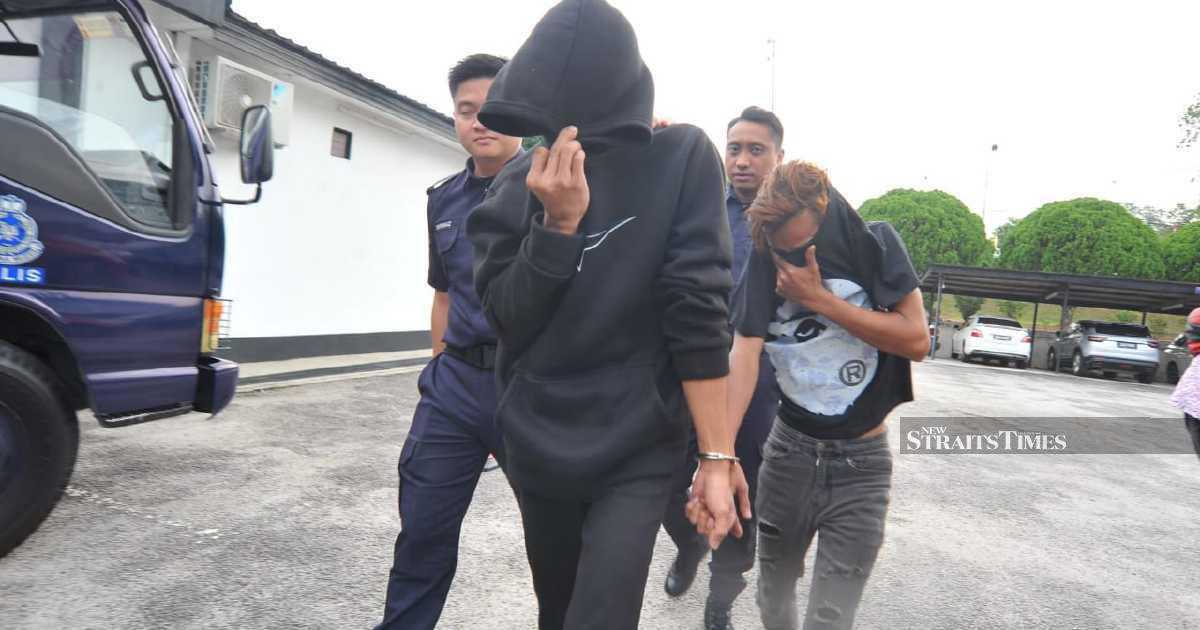
Two mechanics appeared in Kulai magistrate's court to face charges stemming from an alleged illegal street racing incident that unfolded on the Johor Second Link expressway last Saturday. The case has drawn attention not merely for the apparent violation of traffic regulations, but also because one of the accused is a disabled individual, raising questions about accessibility and opportunities for people with disabilities in Malaysia's informal economy.
The charges against both men relate to reckless and dangerous driving, offences that carry serious penalties under Malaysian traffic law. Such allegations typically stem from activities that endanger public safety and other road users. The Second Link, a major expressway connecting Peninsular Malaysia and Johor Bahru, handles substantial daily traffic volumes, making any incident there a matter of particular concern to authorities and the motoring public alike.
Street racing has emerged as a persistent challenge for law enforcement agencies across Malaysia in recent years. Beyond the immediate legal violations, such activities impose significant risks on innocent motorists and pedestrians. The highways and expressways most frequently used by commuters and commercial traffic become potential battlegrounds for illegal racing enthusiasts, creating unpredictable hazards for ordinary road users simply travelling to their destinations. Authorities have consistently intensified enforcement efforts to deter these activities.
The involvement of a disabled mechanic in this case presents a more nuanced dimension to what might otherwise appear a straightforward traffic enforcement matter. It underscores the complex intersection of disability, economic necessity, and legal accountability in Malaysia. Many individuals with disabilities participate in the informal economy, including vehicle maintenance and repair work, often working independently or in small informal arrangements. The circumstances leading this particular individual into alleged illegal racing warrant consideration of broader systemic factors.
Mechanics and automotive enthusiasts in Malaysia have long formed communities around vehicle modification and driving culture. Some members of these circles participate in illegal street racing, viewing it as a test of skill and machinery capability. However, the consequences of such activities extend far beyond the participants themselves. Insurance implications, public safety considerations, and legal repercussions create cascading effects throughout the transportation ecosystem and communities affected by such incidents.
The Second Link expressway, officially the Second Johor-Singapore Link, serves as a critical trade and travel corridor between Malaysia and Singapore. Its significance to regional commerce and commuter patterns means that any disruption or safety incident there receives heightened regulatory scrutiny. The authorities' response to racing activities on this particular stretch reflects broader commitment to maintaining road safety on Malaysia's most strategically important transportation arteries.
Street racing prosecutions in Malaysian courts typically proceed through magistrate's courts at the local level before potentially escalating to higher courts depending on the severity of charges and circumstances. The reckless and dangerous driving charges suggest that the accused behaviour was deemed sufficiently serious to warrant formal court proceedings. Such cases often involve evidence of excessive speed, aggressive manoeuvres, or actions that directly endangered other road users.
The charges carry implications beyond the immediate legal consequences for the accused individuals. They reinforce the message that Malaysian authorities maintain active enforcement against traffic violations that compromise public safety. This ongoing vigilance aims to protect the millions of Malaysians and international travellers who use the nation's expressway system daily, contributing to both personal safety and economic productivity dependent on reliable transportation networks.
For the disability rights community and advocates in Malaysia, this case may prompt reflection on employment opportunities and socioeconomic pressures affecting individuals with disabilities. While accountability for illegal activities remains paramount, understanding root causes and prevention measures becomes equally important for policymakers seeking comprehensive solutions to recurrent safety challenges.
The magistrate's court proceedings in Kulai will determine the factual basis of these charges and appropriate legal consequences if guilt is established. Regardless of the outcome, the case exemplifies the ongoing struggle Malaysian authorities face in deterring illegal street racing while maintaining fair and equitable application of law across all segments of society. Public safety on expressways remains a shared responsibility requiring consistent enforcement, responsible driving behaviour from motorists, and systemic approaches addressing underlying incentives for dangerous activities.

