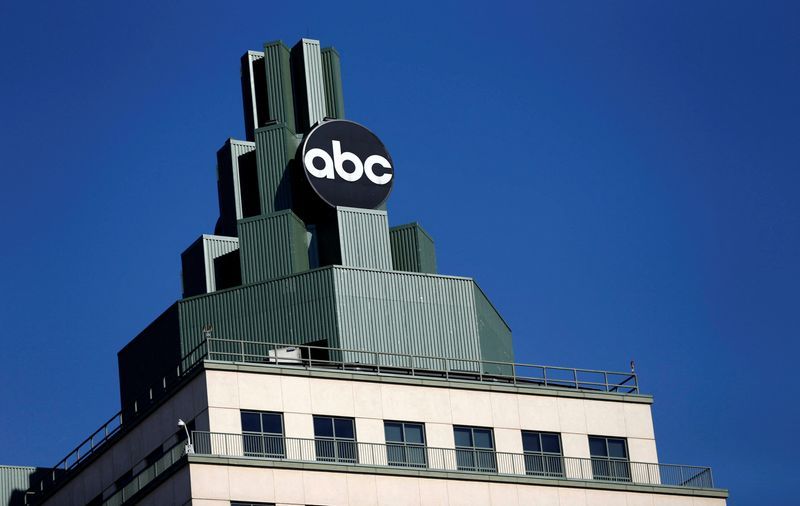
Disney and its broadcast subsidiary ABC have launched a legal challenge against the Federal Communications Commission, filing suit in U.S. District Court in Washington to block what the company characterises as a retaliatory review of licenses for eight ABC television stations. The media giant argues that the regulatory action amounts to an attempt by the Trump administration to punish the network for programming decisions and editorial content that the administration views unfavourably, and for the network's refusal to capitulate to demands to drop shows or segments critical of the president.
The underlying dispute reflects an intensifying confrontation between the Trump administration and mainstream broadcast media. President Donald Trump has made repeated public calls for the FCC to revoke ABC's broadcasting licenses, citing various grievances with the network's news coverage and entertainment programming. Most recently, Trump demanded license revocation after ABC declined to air a presidential speech on elections during prime time, while earlier criticism centred on the network's late-night comedy offerings and its news division's coverage decisions. The president has similarly pressured the FCC on numerous occasions to take action against the broadcaster, establishing a pattern that Disney claims reveals the true intent behind the licensing review.
Disney's lawsuit asserts that the FCC's regulatory action constitutes both coercion and retaliation against a network that has maintained editorial independence despite pressure from the executive branch. The company characterises the licensing review as an "extraordinary assault on free speech," arguing that the agency is misusing its regulatory authority to target programming and editorial decisions with which the administration disagrees. The First Amendment claims advanced by Disney strike at fundamental questions about media freedom and the proper limits of government regulatory power over broadcasters who use public airwaves.
The FCC has offered a different justification for the review, stating that it stems from a year-long investigation into whether Disney's diversity policies constitute unlawful discrimination. FCC Chair Brendan Carr ordered the early license reviews in April, unusually initiating the process decades before the stations' licenses were scheduled for renewal consideration in October 2028. The timing is notable because the FCC has not ordered such early reviews in more than fifty years, making this action historically anomalous. Carr has framed the review as part of his broader enforcement agenda regarding broadcasters' public interest obligations, claiming the FCC has failed to properly deploy these requirements for decades.
In statements to the media, Carr has suggested that Disney's anxiety about the review proceedings indicates that problematic facts are emerging from the investigation. He has maintained that no final decision has been made regarding license revocation and that the agency will proceed methodically by "following the facts and the law." This measured public stance contrasts with the Trump administration's more inflammatory rhetoric calling explicitly for ABC's licenses to be stripped, creating some ambiguity about the FCC's true intentions and the extent to which it is operating independently or in response to White House directives.
U.S. District Judge Loren AliKhan has ordered both Disney and the FCC to propose a timeline for considering Disney's request for a temporary restraining order to halt the license proceedings. The judge has also directed the FCC to provide immediate notification should the agency move forward with formal revocation procedures. Disney and ABC have sought urgent relief, asking the court to quickly issue a temporary restraining order that would suspend the license review process and prevent the FCC from scheduling any hearings. The request reflects the company's assessment that the FCC could take action imminently, particularly given that the public comment period ended earlier in August.
Democratic FCC Commissioner Anna Gomez has openly accused the FCC of orchestrating a "campaign of censorship and control" against Disney's ABC stations, characterising the threat of license revocation as a punitive tool aimed at silencing programming that the administration opposes. This criticism from within the FCC itself underscores the politically polarized nature of the dispute and raises questions about whether the agency has maintained appropriate independence from executive branch pressure. The position taken by Commissioner Gomez aligns with broader concerns that have been voiced by media watchdogs about the use of licensing authority as a mechanism for political pressure.
The case carries significant implications for media freedom and the boundaries of government authority over broadcasters. While broadcast stations require FCC licenses to operate, license revocations are extraordinarily rare historically. However, critics argue that even the threat of losing a license can have a chilling effect on editorial decision-making and can pressure broadcasters to exercise self-censorship to avoid regulatory jeopardy. Networks benefit from broad First Amendment protections regarding their programming choices, and the courts have generally been protective of editorial independence. This litigation will test whether those protections can withstand regulatory pressure in the modern political environment.
The FCC is simultaneously investigating ABC's daytime talk show "The View," alleging that the program may violate federal requirements mandating broadcasters provide equal opportunities to political candidates. Since February, the show has not invited any political candidates to appear, a decision that Disney has publicly attributed to pressure from the FCC's "pressure campaign." This parallel investigation suggests a broader regulatory assault on Disney's broadcast properties and adds another dimension to Disney's claim that the government is using its regulatory authority to control editorial content.
The lawsuit represents the culmination of a two-year conflict between Trump and Disney. Previous triggers for the president's ire have included questions asked by ABC News correspondents to foreign leaders, criticism from late-night host Jimmy Kimmel, and general news coverage the president considered hostile. Each incident has prompted Trump to call publicly for license revocation, establishing what Disney characterises as a pattern of retaliatory intent. For Malaysian readers and the broader Southeast Asian media landscape, this case serves as a cautionary example of how political pressure can be brought to bear on media companies through regulatory mechanisms, even in established democracies with strong constitutional protections for free speech.
The outcome of this litigation could establish important precedent regarding the extent to which executive branch pressure can influence independent regulatory agencies and whether constitutional free speech protections can shield media companies from regulatory retaliation. Should Disney prevail, it would affirm limits on government use of licensing authority for political purposes. Conversely, if the FCC's actions survive judicial scrutiny, it would signal that regulatory agencies possess considerable latitude to investigate and potentially revoke licenses based on content-related concerns, even when those concerns arise in a politically charged context. The case thus represents a crucial test of institutional checks and balances in the American system.

