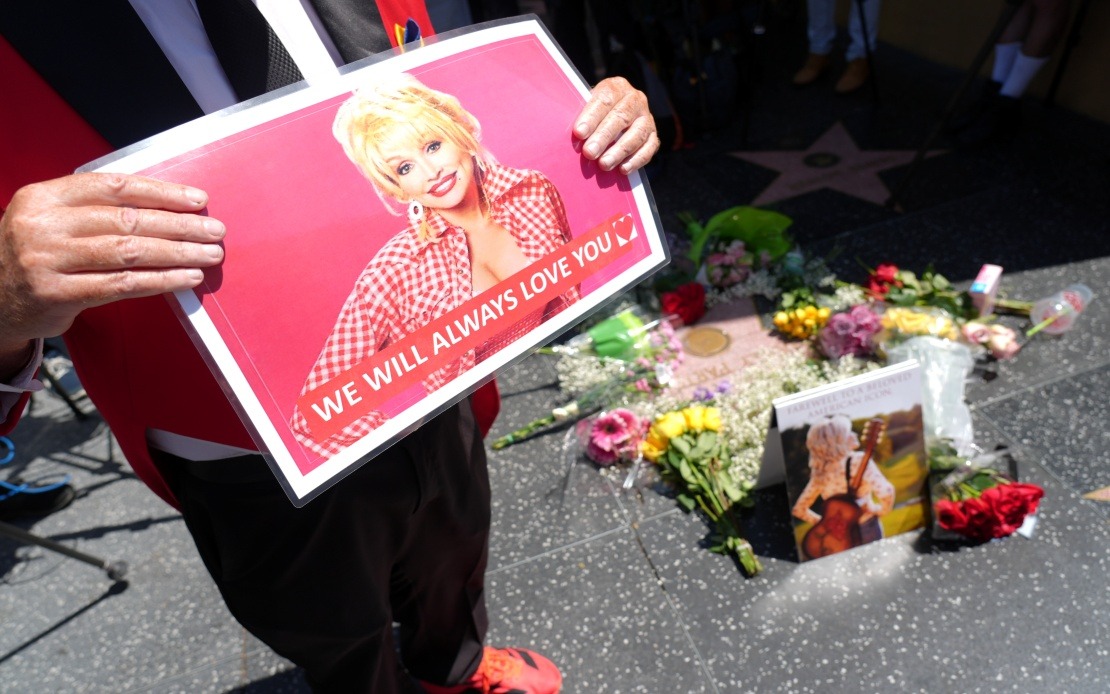
The world has lost one of popular music's most transformative figures with the death of Dolly Parton at age 80, her family confirmed on Tuesday through a video statement posted on social media by her nephew Bryan Seaver. The legendary Tennessee-born singer, whose career spanned over six decades and fundamentally reshaped country music's reach and cultural significance, had been battling health complications in recent months. While the family did not disclose the specific cause, Parton had publicly acknowledged struggling with health issues and had been receiving medical treatment that she initially described as progressing well.
Parton's passing marks the end of an era for American popular culture, particularly for Southeast Asian audiences who grew up with her music through various international releases and film appearances. Her influence extended far beyond the country music genre into mainstream entertainment, making her one of the few artists to achieve simultaneous success across music, film, and humanitarian endeavours. The cancellation of her Las Vegas residency plans earlier this year had signalled the severity of her health situation, disappointing fans worldwide who hoped to see one final stage performance from the legendary performer.
The arc of Parton's life reads like an American parable of determination and reinvention. Born in 1946 in Sevierville, Tennessee, to a family of modest means, she demonstrated extraordinary musical talent from childhood, performing on local radio stations by age 10. By 13, she had already recorded her debut single, "Puppy Love," and made her first appearance at Nashville's Grand Ole Opry, the hallowed venue that would remain central to her identity throughout her career. This early start was unusual even by country music standards, suggesting both her natural ability and her family's commitment to nurturing her talents despite their financial constraints.
After relocating to Nashville in 1964, Parton rapidly established herself not merely as a vocalist but as a prolific songwriter whose compositions attracted interest from established performers. This dual gift—the ability both to write compelling material and to perform it with authenticity—distinguished her from many of her contemporaries. Her work on the Porter Wagoner television variety show from 1967 to 1974 provided national exposure and helped construct the public persona that would sustain her across multiple decades and evolving musical landscapes.
During the 1970s, Parton released her most celebrated compositions, including "Jolene," a haunting narrative ballad about romantic rivalry that remains instantly recognizable to audiences across the globe. Perhaps more significantly, she recorded "I Will Always Love You," a torch song that gained international prominence when Whitney Houston transformed it into a global phenomenon for the 1992 film The Bodyguard. This later version introduced Parton's songwriting to an entirely new generation and demonstrated the timeless emotional resonance of her material, though many may not have initially credited the original composer.
Parton's career demonstrated remarkable versatility by extending substantially beyond musical performance. She appeared in major films including the comedy-drama 9 to 5 alongside Jane Fonda and Lily Tomlin, and later the emotional drama Steel Magnolias. These acting roles proved she possessed screen presence and acting credibility, expanding her appeal to audiences who might not typically engage with country music. Her ability to transition between entertainment mediums reflected both her star power and her willingness to explore new creative territories.
Equally important to Parton's legacy was her commitment to philanthropic work, particularly through the Imagination Library, an initiative providing free books to children regardless of socioeconomic background. This program exemplified her belief in education and opportunity as transformative forces, ideals rooted in her own experience of poverty and her determination to transcend those circumstances. The organization has distributed millions of books across multiple countries, extending her influence into child development and literacy advocacy.
Across her lifetime, Parton accumulated extraordinary professional recognition befitting her contributions to music and culture. She sold more than 100 million records globally, received 11 Grammy Awards, and achieved induction into both the Songwriters Hall of Fame and the Rock and Roll Hall of Fame. These accolades represent not mere commercial success but institutional acknowledgment of her artistry and enduring impact on musical traditions.
For Malaysian and Southeast Asian audiences, Parton's death represents the loss of a cultural icon whose music transcended national boundaries and linguistic differences. Her songs were covered by artists across the region, and her films reached cinema audiences from Kuala Lumpur to Bangkok. The emotional directness of her songwriting—often exploring themes of love, loss, and resilience—resonated across cultural contexts, demonstrating music's universal capacity to communicate human experience.
Parton's legacy will undoubtedly endure through her extensive catalog of recordings, her film performances, and the continued work of the charitable organizations she established. Her influence on subsequent generations of musicians, particularly women in country music and beyond, remains substantial. The singer who rose from rural poverty to international stardom while maintaining connection to her roots represents a particular American success narrative, yet her achievements and values hold relevance for audiences worldwide seeking examples of artistic integrity combined with humanitarian commitment.

