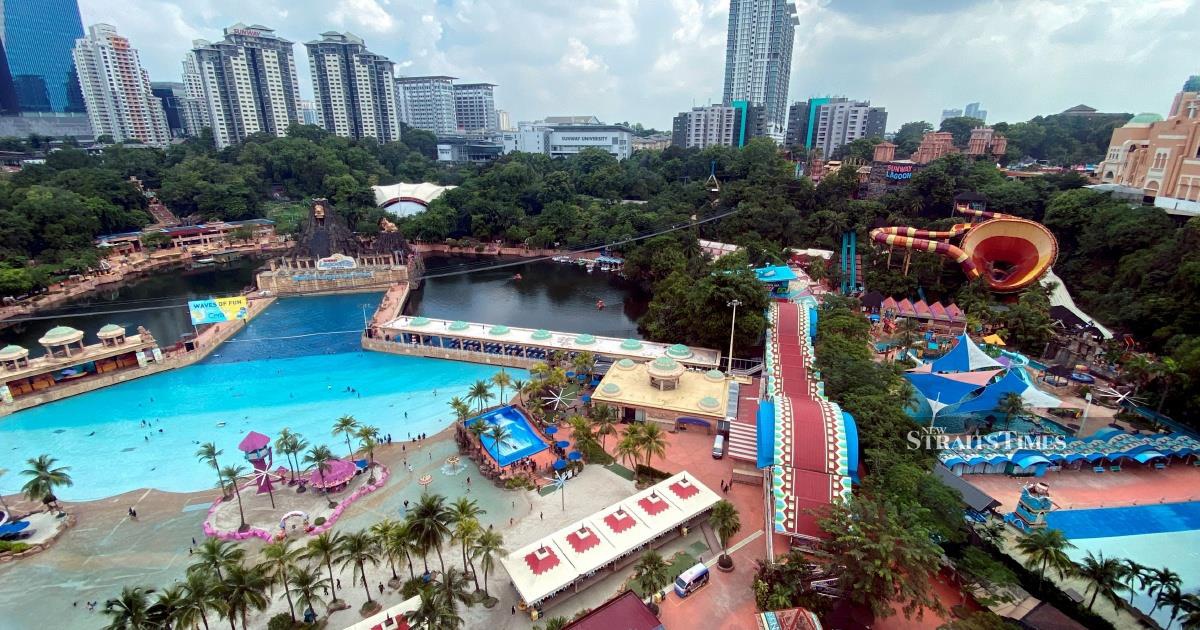
Malaysia's occupational safety regulator has launched a formal forensic investigation into an incident involving a roller coaster at Sunway Lagoon, one of the nation's leading theme parks. The Department of Occupational Safety and Health (DOSH) has mobilised its technical expertise to examine the circumstances surrounding the incident, representing a significant intervention aimed at determining root causes and preventing future occurrences at recreational facilities across the country.
The decision to initiate a forensic probe underscores the seriousness with which authorities treat safety breaches at major entertainment complexes. Sunway Lagoon operates as a flagship destination attracting both domestic and international visitors, making comprehensive safety assessments a matter of public interest. The investigation will likely encompass multiple dimensions, including mechanical integrity, maintenance protocols, operational procedures, and staff training standards that govern the facility's roller coaster operations.
Forensic investigations conducted by DOSH typically involve detailed technical analysis of equipment, examination of maintenance records spanning months or years, interviews with operational staff and engineers, and a comprehensive review of safety compliance documentation. Such investigations represent a more intensive level of scrutiny than standard inspections, indicating that initial observations may have raised specific concerns warranting deeper examination. The thoroughness of this approach reflects international best practices in occupational safety investigation, where theme parks must demonstrate rigorous adherence to engineering standards and operational safety protocols.
Theme park safety represents an increasingly important regulatory focus across Southeast Asia, where rapid expansion of entertainment infrastructure has outpaced consistent safety oversight mechanisms. Malaysia has positioned itself as a regional hub for leisure and tourism, with multiple major theme parks operating across the Klang Valley and other regions. This investigation serves as a benchmark for how seriously Malaysian authorities treat the responsibility of protecting workers and visitors at such venues, setting expectations for industry-wide compliance moving forward.
The incident at Sunway Lagoon occurs within a broader context of heightened international attention to amusement park safety standards. Theme parks operate within a complex regulatory environment where engineering tolerances, maintenance schedules, and operational parameters must be precisely calibrated. Even minor deviations in maintenance protocols or equipment specifications can potentially compromise safety systems designed with multiple redundancies. DOSH's forensic approach acknowledges this complexity by moving beyond surface-level examination to investigate the underlying factors contributing to the incident.
For Sunway Lagoon, the investigation carries significant operational implications. The theme park operates as both an employment hub and a critical component of Malaysia's tourism revenue, welcoming hundreds of thousands of visitors annually. Prolonged safety investigations or operational restrictions could impact visitor confidence, though such measures ultimately serve the legitimate purpose of ensuring public safety. The park's management will likely be required to cooperate extensively with investigators, providing comprehensive documentation and access to engineering teams and operational personnel.
The broader implications extend to other entertainment operators across Malaysia and the region. Theme parks, water parks, and adventure facilities typically implement similar equipment and operational systems, meaning findings from this investigation could inform industry-wide safety improvements. DOSH's forensic conclusions may lead to revised maintenance protocols, updated safety certifications, or enhanced training requirements that ripple across the entertainment sector. Operators will be watching closely to understand what specific vulnerabilities the investigation identifies.
From a regulatory perspective, this investigation reflects the sophistication of Malaysia's occupational safety apparatus. DOSH operates under the Occupational Safety and Health Act, which provides the department with authority to investigate incidents and implement corrective measures. The decision to conduct forensic investigation rather than routine inspection indicates that DOSH possesses both the technical capability and institutional willingness to conduct rigorous examinations when circumstances warrant deeper scrutiny. This institutional capacity distinguishes Malaysia's safety oversight from less developed regulatory environments.
The investigation timeline remains unspecified, though forensic examinations typically extend over several weeks or months depending on complexity. DOSH must coordinate with multiple stakeholders, including theme park engineers, equipment manufacturers, maintenance contractors, and potentially international safety consultants. The investigation may also interface with police investigations if the incident resulted in injuries or other circumstances requiring criminal or civil liability assessments. Coordinating across these different investigative tracks requires careful administrative management to ensure evidence preservation and logical sequencing of findings.
For Malaysian visitors and their families, this investigation provides assurance that significant safety incidents at major attractions receive thorough official scrutiny. Public confidence in theme park safety depends partly on visible regulatory engagement and transparent investigation processes. As DOSH conducts its forensic examination, the findings will become important reference points for public understanding of safety standards across Malaysia's entertainment industry, potentially influencing visitor behaviours and booking decisions at various facilities.
The outcome of this investigation will likely shape future regulatory approaches toward theme park oversight across Malaysia. If systematic deficiencies emerge—whether in maintenance standards, staff training, equipment specifications, or operational procedures—DOSH may implement enhanced inspection regimes or revised certification requirements affecting all comparable facilities. Conversely, if the investigation identifies isolated failures by individual operators, it may support more targeted interventions focused on specific parks or equipment types rather than blanket industry-wide reforms.

