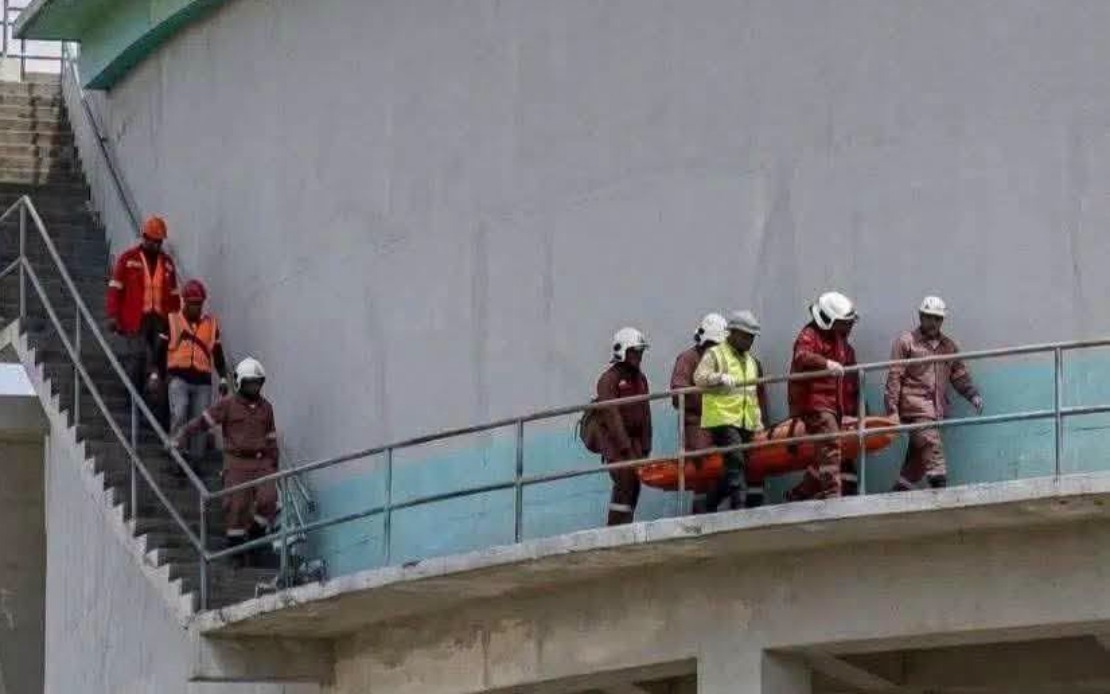
The Department of Occupational Safety and Health (DOSH) has initiated a formal investigation into the death of an industrial trainee who died while performing water tank cleaning duties at Menara Saujana Perdana 1 in Sungai Buloh, Selangor on June 16. The incident has prompted the regulatory body to reinforce safety compliance requirements across the nation's industrial sector, particularly concerning high-risk confined space operations that continue to pose significant hazards to Malaysia's workforce.
DOSH director-general Hazlina Yon announced that the Selangor branch had already conducted an on-site inspection and implemented a prohibition order to prevent any unauthorised activity at the accident location. The agency's investigative team is systematically gathering evidence and conducting detailed witness interviews as part of a comprehensive examination designed to establish the precise circumstances leading to the fatality and identify any breaches of safety protocols.
The formal inquiry operates under the framework established by Sections 15, 17 and 18 of the Occupational Safety and Health Act 1994, which delineate the statutory obligations incumbent upon employers, self-employed operators and all other responsible parties to maintain safe working conditions and protect the wellbeing of employees and other individuals potentially affected by workplace operations. This legislative foundation empowers DOSH to pursue enforcement measures should the investigation uncover violations of occupational health and safety standards.
Hazlina's statement emphasises the persistent risks associated with confined space work, a category of labour that demands heightened vigilance and rigorous procedural adherence. Confined spaces—such as water tanks, storage vessels and underground chambers—present multifaceted hazards including oxygen deficiency, toxic gas accumulation, structural collapse and entrapment, making them among the most dangerous work environments in Malaysia's industrial landscape. The regulatory authority has stressed that any activity in such locations requires comprehensive pre-work planning and strict adherence to established safety frameworks.
Critical among the mandatory requirements DOSH underscores is the need for employers to obtain formal work permits before commencing confined space operations. These permits serve as documentation that systematic risk assessment has been completed and appropriate safeguarding measures have been implemented. The requirement extends beyond mere bureaucratic formality; it represents a deliberate checkpoint ensuring that supervisory personnel have evaluated potential hazards and designed control strategies tailored to the specific work environment and operational parameters.
The regulatory body has emphasised employer responsibility in conducting thorough risk identification and assessment protocols before authorising any work activity, particularly those categorised as high-risk operations. This obligation requires employers to systematically examine the physical environment, identify potential hazards, evaluate the likelihood and severity of adverse outcomes, and establish preventive measures. For confined space work specifically, this assessment must address atmospheric hazards, mechanical risks, biological threats and rescue requirements.
Another significant aspect highlighted in the investigation's wake concerns the preparation and supervision of workers entering hazardous environments. DOSH has stressed that industrial trainees and newly recruited personnel assigned to such operations must receive comprehensive occupational safety and health training addressing the specific risks inherent in their assigned tasks. This training requirement encompasses not merely theoretical knowledge but practical competency in recognising hazards, implementing control measures and responding to emergency situations.
Supervision standards assume equal importance in DOSH's guidance. The regulatory authority mandates that workers, particularly those with limited experience, must be overseen by competent supervisors—individuals possessing the technical knowledge, practical experience and formal qualifications necessary to identify unsafe conditions and enforce compliance with safety procedures. This supervisory relationship is intended to provide real-time monitoring and intervention capacity, catching and correcting unsafe practices before they result in serious harm.
Hazlina's statement articulates a broader organisational philosophy that should permeate Malaysian workplaces: the recognition that occupational safety demands proactive commitment from management and continuous compliance from workers. Incidents such as the Sungai Buloh fatality demonstrate that knowledge of hazards and awareness of safety requirements alone prove insufficient without institutional mechanisms ensuring consistent application of protective measures. The investigation will likely reveal whether systemic failures in workplace culture, training delivery, supervision or permit procedures contributed to the tragedy.
The accident carries implications for Malaysia's broader occupational health and safety landscape, particularly regarding contractor and vendor management. Increasingly, Malaysian enterprises engage external contractors for specialist operations including water tank cleaning and maintenance. DOSH's emphasis on employer responsibility for vendor safety suggests that contracting arrangements do not diminish the principal employer's duty to ensure adequate safety standards, a principle that may reshape how local companies structure subcontracting relationships.
Regional context adds further significance to this incident. Across Southeast Asia, confined space fatalities remain disturbingly common, with inadequate training, insufficient supervision and deficient risk assessment cited repeatedly as contributing factors. Malaysia's manufacturing and infrastructure sectors, which employ thousands in potentially hazardous environments, would benefit from the lessons this investigation may reveal. DOSH's proactive stance in this case signals commitment to evidence-based enforcement that could influence safety practices across the region.
The investigation's eventual findings and any resultant enforcement actions will carry weight in shaping corporate safety culture throughout Malaysia's industrial sector. Employers and safety professionals will monitor the regulatory response closely, as it will clarify the practical application of existing laws and signal the agency's enforcement priorities. For the industrial trainee community and their families, the investigation represents both a search for accountability and an opportunity to prevent similar tragedies through systemic improvement in how Malaysia manages its most dangerous work environments.