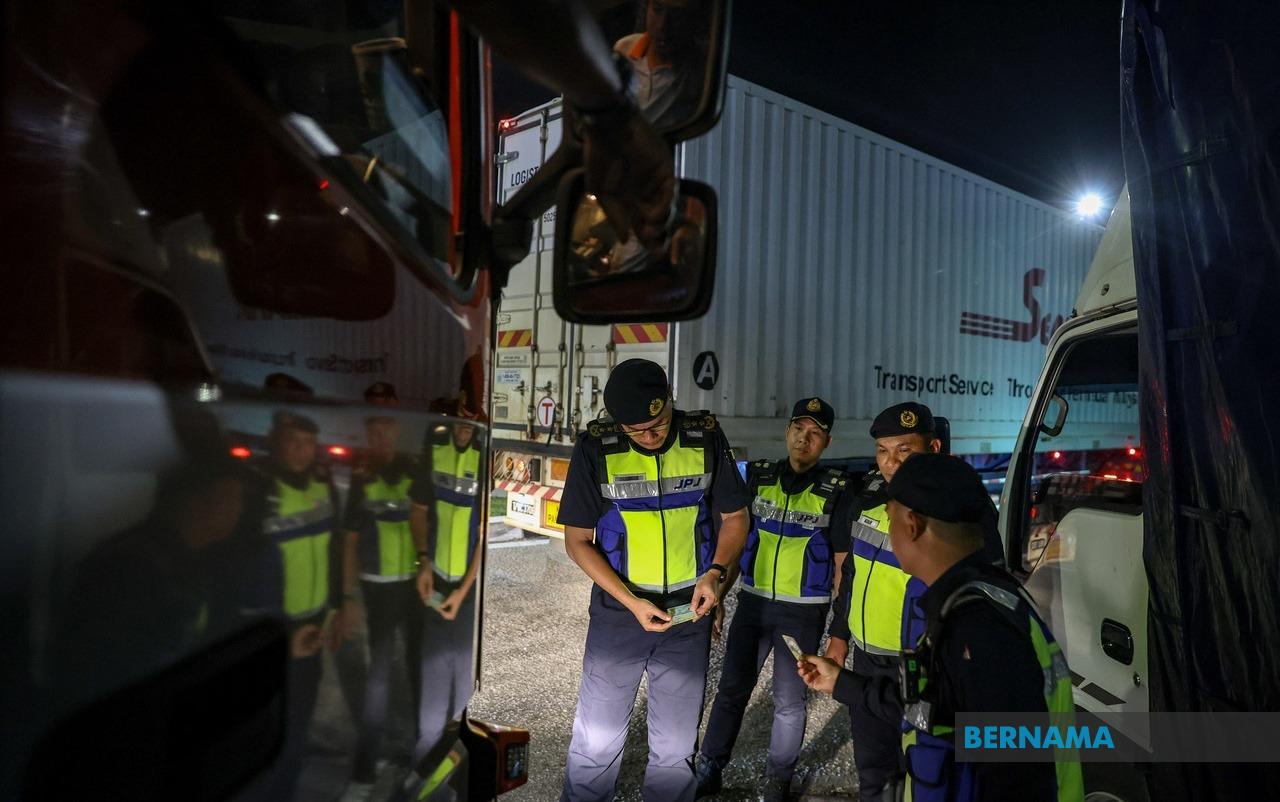
Authorities in Johor have concluded a coordinated anti-drug campaign that screened commercial and public transport drivers at major highway locations, resulting in 16 positive drug cases between July 1 and 10. The initiative, led by the state's Road Transport Department, represents a concerted effort to remove impaired drivers from the road network and protect highway safety across the state.
The operation brought together multiple law enforcement and transport bodies including the Royal Malaysia Police, the National Anti-Drug Agency and PLUS Malaysia Berhad, the country's primary highway concession operator. By establishing checkpoints at rest areas, enforcement stations and transport terminals, authorities maximised their reach across both major corridors and local routes. Johor Road Transport Department director Zulkarnain Yasin highlighted the strategic placement of screening stations, noting that the Pagoh rest area on the southbound expressway served as a focal point for the operation.
Among the 164 drivers subjected to urine screening, a substantial proportion tested positive for controlled substances. The breakdown revealed 10 cases of methamphetamine use, three involving crystal methamphetamine, two cannabis offences and one morphine case. These figures underscore the extent to which drug use persists among professional drivers despite the inherent dangers such substances pose to road safety. The presence of stimulants like methamphetamine among commercial drivers is particularly concerning given the extended hours and concentration required for long-distance transport operations.
The consequences for those identified will be significant and long-lasting. The Road Transport Department possesses statutory authority under Section 56(4) of the Road Transport Act 1987 to suspend or revoke vocational driving licences held by drivers found to be drug-positive. For commercial operators, losing their licences represents an immediate threat to their livelihoods, creating a powerful deterrent against substance abuse. This enforcement mechanism distinguishes drug-impaired driving from many other traffic violations by targeting the professional status of those involved.
Beyond the drug component, the operation uncovered a broader tapestry of transport safety violations that reflect systemic compliance challenges across Johor's commercial vehicle sector. Administrative breaches dominated the findings, with 707 instances of drivers operating without valid licences, followed by 626 cases of expired road tax and 574 expired insurance violations. These numbers suggest that many professional drivers operate in an environment where documentation requirements are treated casually, raising questions about the depth of vehicle operator oversight and inspection protocols.
Vocational licensing compliance emerged as another significant issue. The operation identified 128 vehicles lacking proper Goods Vehicle Licences, a fundamental requirement for commercial transport operations. Additionally, 14 instances of expired goods vehicle licences were recorded, indicating that some operators fail to maintain required certifications. Such oversights create liability exposure for both operators and the transport authorities responsible for maintaining safety standards.
Technical vehicle conditions also presented a concerning picture. Overloaded vehicles accounted for 113 separate detections, a violation with direct safety implications as excessive weight compromises braking, handling and tyre integrity. The roadworthiness inspection regime identified 39 cases of unauthorised vehicle modifications, 30 instances of non-compliant tyres and 928 additional technical defects. Collectively, these findings suggest that vehicle maintenance and condition standards require substantial improvement across the commercial transport fleet.
The Johor operation serves as a valuable barometer of compliance within Malaysia's commercial transport sector. The sheer volume of violations identified during a single ten-day initiative indicates that enforcement intensity remains far below what is necessary to achieve meaningful compliance across the state. For context, the detection of 707 unlicensed drivers during this operation alone demonstrates that licensing verification at roadside checkpoints remains inconsistent despite the availability of digital verification systems.
For Malaysian operators and passengers alike, these findings carry immediate implications. The discovery of 16 drug-positive drivers illustrates that substance abuse among professional drivers represents an ongoing public health and safety concern requiring sustained intervention. The high incidence of documentation and technical violations suggests that regulatory capacity in Johor requires augmentation through additional inspectors, improved checkpoint technology and enhanced coordination between transport authorities and law enforcement agencies.
The integrated operational model employed here demonstrates the potential for multi-agency collaboration to yield comprehensive transport safety improvements. However, sustained impact will depend on consistency and follow-through. One-off intensive operations can generate headline results, but meaningful reduction in impaired driving and mechanical defects requires routine, predictable enforcement activity that creates persistent compliance pressure throughout the transport industry.
Looking forward, the data generated through this operation should inform policy discussions about transport safety investment in Johor and across the broader Southeast Asian region. The concentration of violations among commercial drivers suggests that targeted industry engagement, improved operator accountability mechanisms and investment in vehicle inspection infrastructure would yield significant returns in terms of road safety outcomes and fatality reduction.

