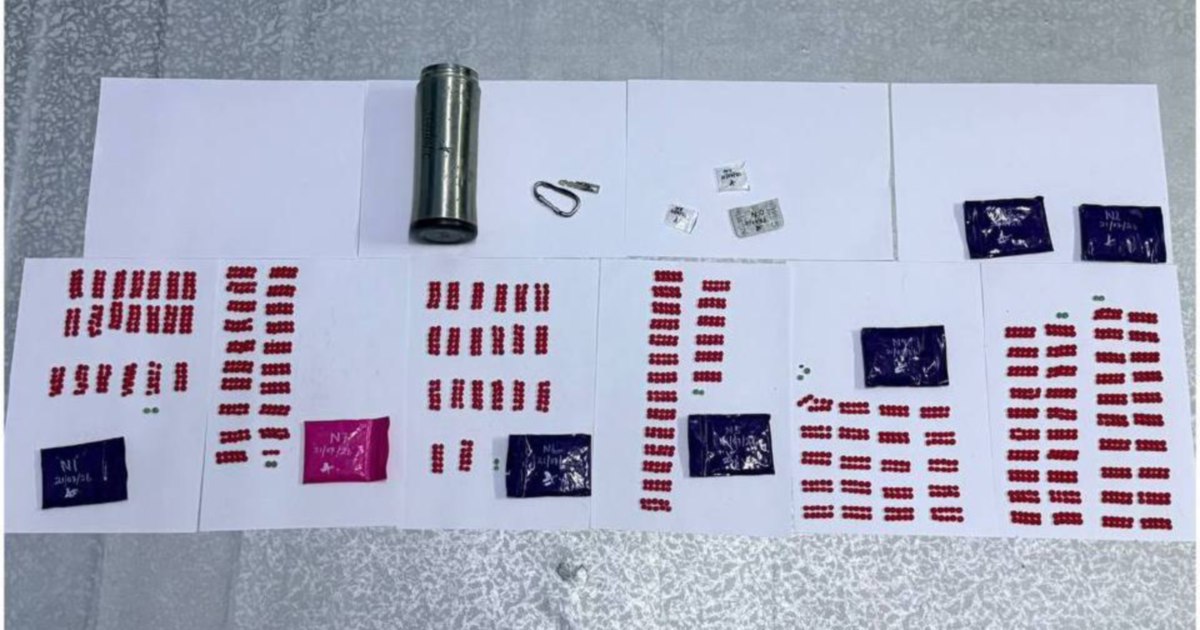
Police have apprehended a number of suspects during operations conducted under the Garis Operasi Fokus (GOF) initiative, with one detainee standing out for his substantial prior involvement in drug-related crimes. The arrested individual carries a troubling record of six previous drug offences, underlining the persistent challenge posed by repeat offenders in Malaysia's ongoing war against narcotics.
The GOF framework represents a concentrated law enforcement strategy designed to target high-impact criminal activities across Malaysia. These coordinated raids demonstrate the commitment of authorities to dismantle drug networks at the street level and disrupt supply chains that fuel addiction and associated crimes throughout the nation. The involvement of a repeat offender with such a lengthy conviction history suggests that police operations are successfully identifying and apprehending individuals who cycle through the criminal justice system.
The arrest of individuals with extensive criminal backgrounds raises important questions about rehabilitation and recidivism within Malaysia's drug enforcement ecosystem. When suspects accumulate six separate drug convictions, it indicates either insufficient deterrence from previous sentences or systemic challenges in addressing the underlying drivers of substance abuse and addiction that push offenders back into the trade. This pattern is not uncommon across Southeast Asia, where porous borders and organised trafficking networks create persistent incentives for repeat involvement.
For Malaysia specifically, the recurrence of prior offenders in drug busts underscores why authorities have invested heavily in GOF and similar targeted operations. Rather than relying solely on general policing efforts, these focused initiatives concentrate resources on known hotspots and identified individuals, maximising the likelihood of disrupting criminal activity before it reaches communities. The success of such operations depends partly on intelligence gathering and coordination between federal and state-level enforcement agencies.
The six previous convictions recorded against the arrested suspect also highlight the cumulative burden on Malaysia's judicial and correctional systems. Each prosecution, trial, and imprisonment represents significant state expenditure, yet the recidivism evident in this case suggests that traditional custodial sentences alone may not adequately address the root causes driving participation in the drug trade. This reality informs ongoing debates about whether rehabilitation programmes, vocational training, and support for addiction treatment should be prioritised alongside enforcement.
From a regional perspective, Malaysia's drug problem remains intertwined with broader Southeast Asian trafficking patterns. Narcotics destined for local consumption often originate from production zones in the Golden Triangle or transit through neighbouring countries before reaching Malaysian streets. Suspects with multiple convictions frequently occupy roles within these transnational networks, whether as street-level dealers, couriers, or mid-level distributors. Arresting such individuals disrupts operations, though the appetite for drugs and the profits available ensure rapid replacement by other willing participants.
The GOF operations also serve a symbolic and practical purpose in maintaining public confidence in law enforcement's commitment to tackling drugs. Citizens concerned about narcotics-related crime in their neighbourhoods benefit from visible police activity and news of successful arrests. For the broader population, particularly parents and educators worried about youth substance abuse, evidence that authorities are actively pursuing offenders provides reassurance that the state takes the issue seriously and maintains capacity to respond.
However, the arrest of a six-time offender equally suggests limitations in current approaches. Merely cycling offenders through the courts and prisons, without meaningful intervention to reduce demand or address supply at source, risks creating an endless treadmill of enforcement that manages rather than solves the underlying problem. Malaysia, like other nations confronting entrenched drug cultures, continues grappling with whether resources might be better allocated toward prevention, treatment, and harm reduction alongside traditional policing.
The implications for Malaysian society extend beyond immediate crime statistics. Drug-related offences impose costs across health systems, social services, and family stability. Communities with high concentrations of narcotics activity experience elevated rates of associated crimes including theft, robbery, and violence as users scramble to fund habits. The arrest of repeat offenders removes individuals who have demonstrably proven unable or unwilling to desist from criminal activity, at least temporarily removing them from circulation.
Moving forward, the continued emergence of suspects with multiple prior convictions in GOF raids will likely prompt further refinement of Malaysia's drug policy framework. Whether future emphasis falls more heavily on supply-side enforcement, demand reduction through treatment and prevention, or a recalibrated balance between both approaches remains an open question. What remains clear is that isolated arrests, however numerous or publicised, cannot alone resolve the complex challenge of substance abuse and trafficking that persistently afflicts Malaysian communities.

