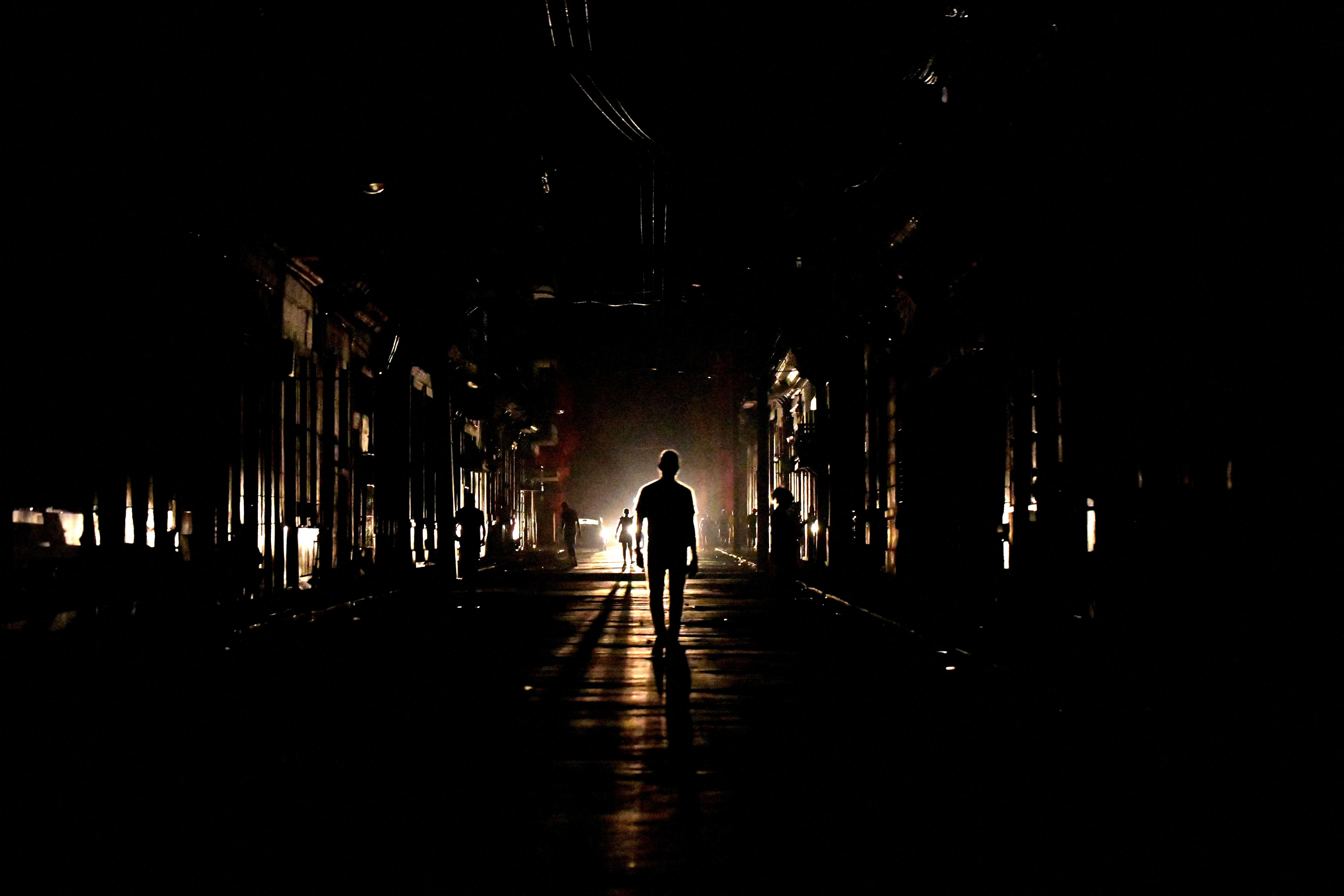
Eastern Libya descended into darkness on Thursday evening when a widespread power failure swept across the region, affecting major urban centers and leaving millions without electricity. The outage impacted Benghazi, the country's second-largest city, as well as the town of Marj and numerous other communities across the east, according to local media reports and videos documenting streets and residential areas plunged into night-time darkness. The extent of the blackout underscored the fragility of Libya's power infrastructure at a time when the nation grapples with mounting security challenges and internal political fragmentation.
In response to the crisis, Libya's eastern-based Electricity Ministry, operating under the House of Representatives government, announced that several power generation units had been brought back online. The authority prioritized the restoration of electricity to Benghazi's 1,200-bed hospital and multiple neighbourhoods in the city's southern district, recognizing the urgency of restoring services to critical healthcare facilities and civilian areas. This phased restoration approach reflected a broader strategy to rebuild the power network systematically while maintaining grid stability.
Technical teams deployed across the nation's generation, transmission, and distribution networks worked to identify the root cause of the outage and accelerate recovery. Officials indicated that power was being restored in measured increments to prevent overwhelming the grid infrastructure, which had already demonstrated its vulnerability through this latest failure. The cautious approach to load restoration suggested concerns about the system's capacity to handle sudden surges in demand without triggering additional cascading failures.
The blackout represents merely the latest manifestation of a deteriorating utility crisis gripping Libya, one that mirrors broader breakdowns in public services and security across the fractured state. Recent weeks have witnessed intensifying armed conflict in western towns such as Zawiya and Sorman, drone strikes targeting critical oil production facilities, and episodic shortages of basic services that underscore the state's diminishing capacity to deliver essential infrastructure. These compounding crises have created a vicious cycle wherein political instability prevents the investment and governance reforms necessary to modernize aging power systems.
Libya's underlying challenge runs far deeper than technical infrastructure failures. The country has been locked in a protracted political standoff between two rival administrations competing for legitimacy and control. The internationally recognized Government of National Unity, led by Prime Minister Abdul Hamid Dbeibah, operates from Tripoli in the west and commands the loyalty of western Libya. Competing with this administration is the House of Representatives-backed government headed by Osama Hammad, which is based in Benghazi and controls the eastern portion of the country. This institutional bifurcation has persisted for years, fragmenting the state's capacity to coordinate policy, maintain infrastructure, and deliver services across territory.
The political division has proven especially damaging to Libya's electricity sector, where coordination between generation facilities, transmission networks, and distribution systems requires unified command and technical expertise. When power generation units fail or infrastructure deteriorates, responsibility for repairs and investment becomes unclear between competing authorities, leading to chronic underinvestment and deferred maintenance. This governance vacuum has left civilians and essential services vulnerable to cascading failures like the Thursday blackout, with no single authority empowered to undertake the comprehensive reforms necessary to modernize the system.
The United Nations Support Mission in Libya has maintained an active presence attempting to mediate between the rival governments and resolve the political disputes that have stalled long-promised national elections. Those elections represent the international community's preferred pathway to restoring political legitimacy and unity, potentially enabling the formation of a single government capable of addressing state-wide challenges. However, progress has remained glacial, with fundamental disagreements over electoral frameworks, constitutional authorities, and power-sharing arrangements preventing movement toward balloting that Libyan citizens hope might finally close the chapter on division extending back to the 2011 overthrow of longtime leader Muammar Gaddafi.
For Malaysia and other Southeast Asian nations maintaining energy security concerns, the Libyan experience offers cautionary lessons about the interconnection between political governance and infrastructure resilience. A fragmented state lacking unified command authority struggles to maintain the technical expertise, capital investment, and long-term planning necessary for reliable power systems. As countries across Southeast Asia develop their own electricity sectors and grid networks, maintaining strong institutional capacity and political cohesion around energy infrastructure remains essential to avoiding the cascade of failures now afflicting Libya.
The implications extend beyond Libya's borders. Regional energy markets and global petroleum supplies remain partially dependent on Libyan stability, particularly the country's oil export capacity. When internal conflict and service collapse deepen, international investors retreat and foreign technical expertise becomes scarcer, creating feedback loops where deteriorating conditions drive away the resources necessary for recovery. The repeated blackouts and security incidents now characterizing eastern Libya signal that without political resolution enabling unified governance, the country faces a prolonged period of infrastructure degradation and humanitarian stress that will reverberate across the North African region.

