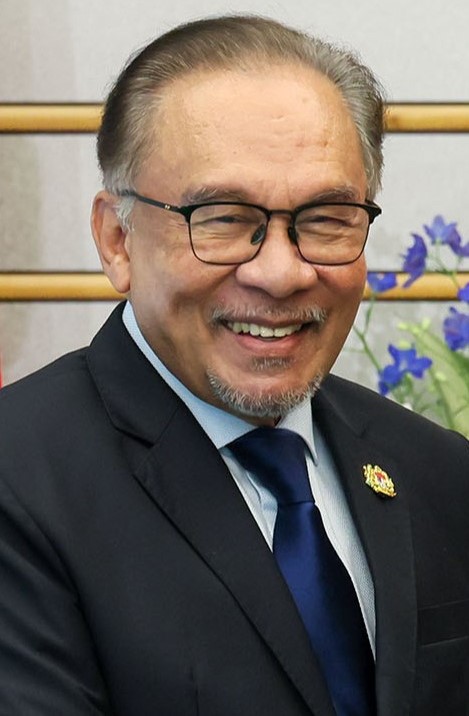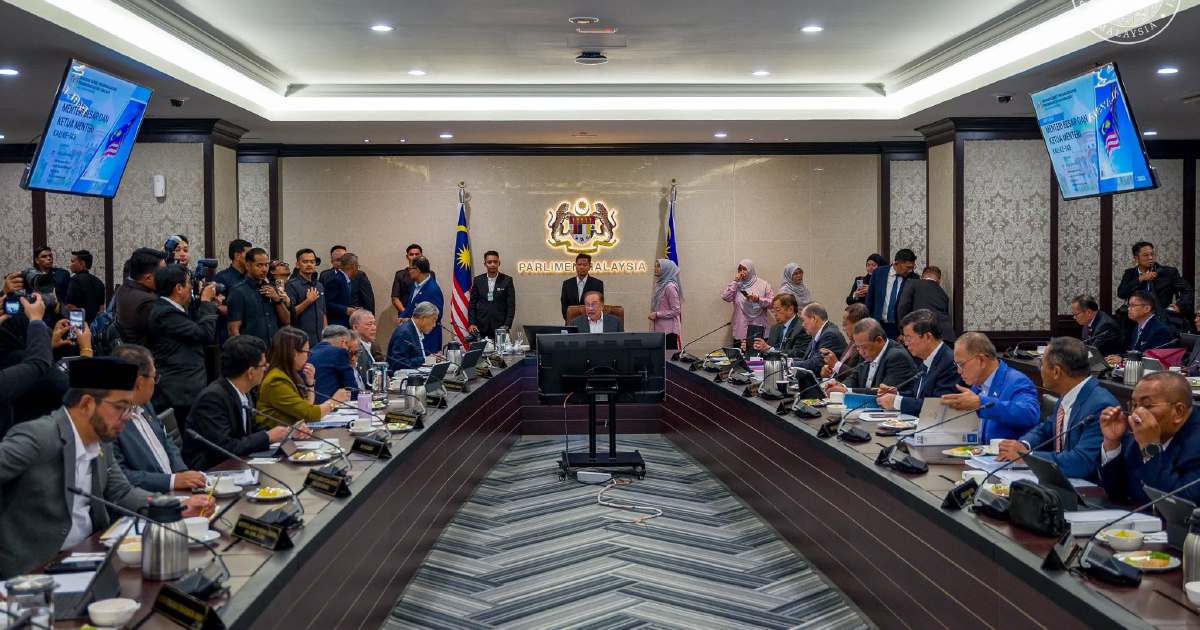
Prime Minister Datuk Seri Anwar Ibrahim convened the 149th gathering of Malaysia's Menteris Besar and Chief Ministers at the Parliament building in Kuala Lumpur, with the agenda centred firmly on strategies to reinvigorate the national economy at a time of pronounced global volatility. The coordination between federal and state leadership underscores the government's recognition that economic resilience must be pursued through a unified approach across all thirteen states and three federal territories.
The timing of this high-level assembly reflects mounting concerns about the trajectory of Malaysia's economic performance in an increasingly turbulent international environment. The Middle East conflicts have created unpredictable ripple effects across global markets, affecting commodity prices, shipping routes, and investor sentiment in ways that directly impact Malaysia's export-dependent economy. By bringing together the heads of state governments, the Prime Minister sought to harness collective expertise and coordinate policy responses that would insulate Malaysian citizens from external shocks while positioning the nation for sustainable growth.
Malaysia's economic vulnerability to global disruptions is particularly acute given its reliance on trade and foreign direct investment. The nation's manufacturing sector, which accounts for a significant portion of GDP and employment, depends heavily on stable supply chains and predictable international markets. Disruptions stemming from geopolitical tensions—whether through increased insurance and shipping costs, delayed deliveries, or reduced demand from key trading partners—can quickly cascade through the economy, affecting everything from factory output to consumer spending. State leaders present at the meeting carry responsibility for economic activity within their jurisdictions, making their buy-in essential for implementing measures that protect local businesses and workers.
The 149th meeting represents more than routine inter-governmental coordination; it signals the administration's commitment to proactive economic governance during a period when passive waiting would be economically damaging. Menteris Besar from states like Selangor, Johor, and Penang, which drive significant portions of national economic activity, would have brought critical perspectives on state-level challenges that require federal support or policy alignment. Chief Ministers from East Malaysia—particularly Sabah and Sarawak, whose natural resources are crucial to overall economic output—have distinct concerns shaped by their geography and resource endowments.
The emphasis on economic revival carries particular weight given Malaysia's recent macroeconomic headwinds. The nation has faced inflationary pressures, currency volatility, and slowing growth in certain sectors. While Malaysia's fundamentals remain relatively stable compared to some regional peers, the combination of domestic challenges and external uncertainty demands coordinated action. The meeting likely addressed how states can complement federal initiatives through investment in infrastructure, support for small and medium enterprises, and attraction of quality foreign investors seeking alternatives to more conflict-affected regions.
State governments control crucial economic levers including local taxation, land development approvals, and regulatory environments that either encourage or hinder business formation. By engaging them directly in the economic revival discussion, the Prime Minister was essentially seeking their commitment to implementation of strategies that extend beyond federal authority. States may also be positioned to absorb some economic shocks through counter-cyclical spending on public works or targeted assistance to affected industries, a role they cannot play without clear federal guidance and coordination.
The reference to global uncertainty underscores how deeply Malaysia's fortunes remain intertwined with international developments beyond its control. The Middle East conflicts have already demonstrated capacity to disrupt oil markets, though Malaysia is a net oil exporter and could theoretically benefit from higher prices. However, the broader economic disruption through higher global input costs, reduced trade volumes, and investor flight to safety outweighs any commodity-price benefits. Insurance and financing costs for regional shipping have risen noticeably, while multinational companies are reconsidering supply chain concentrations.
For Malaysian investors and businesses, the meeting signals that government is actively monitoring the situation and developing responses rather than hoping external conditions stabilize. This reassurance matters for business confidence and investment decisions. Companies considering expansion or new ventures want to know that government understands challenges and is working solutions. The presence of all major state leaders at Parliament suggests a unified message from leadership about the seriousness with which government treats economic challenges.
The coordination between federal and state levels also has political significance in Malaysia's federal structure. With states controlled by different political coalitions in some cases, the 149th meeting demonstrates that economic challenges transcend partisan divisions. A Chief Minister from opposition-held territory has the same interest in seeing their state prosper as one from coalition-aligned states. This common ground is essential when economic crises threaten livelihoods across the entire country, making intergovernmental cooperation a practical necessity rather than political choice.
Moving forward, the success of this gathering will be measured not by the convening itself but by what specific initiatives emerge and how effectively they are implemented across different jurisdictions. State leaders will return to their capitals expected to translate federal guidance into actionable policies that directly improve business conditions, create employment, and protect vulnerable communities from economic shocks. The coordination begun at Parliament must translate into sustained collaboration between state and federal agencies, regular monitoring of economic indicators, and willingness to adjust strategies as international conditions evolve.