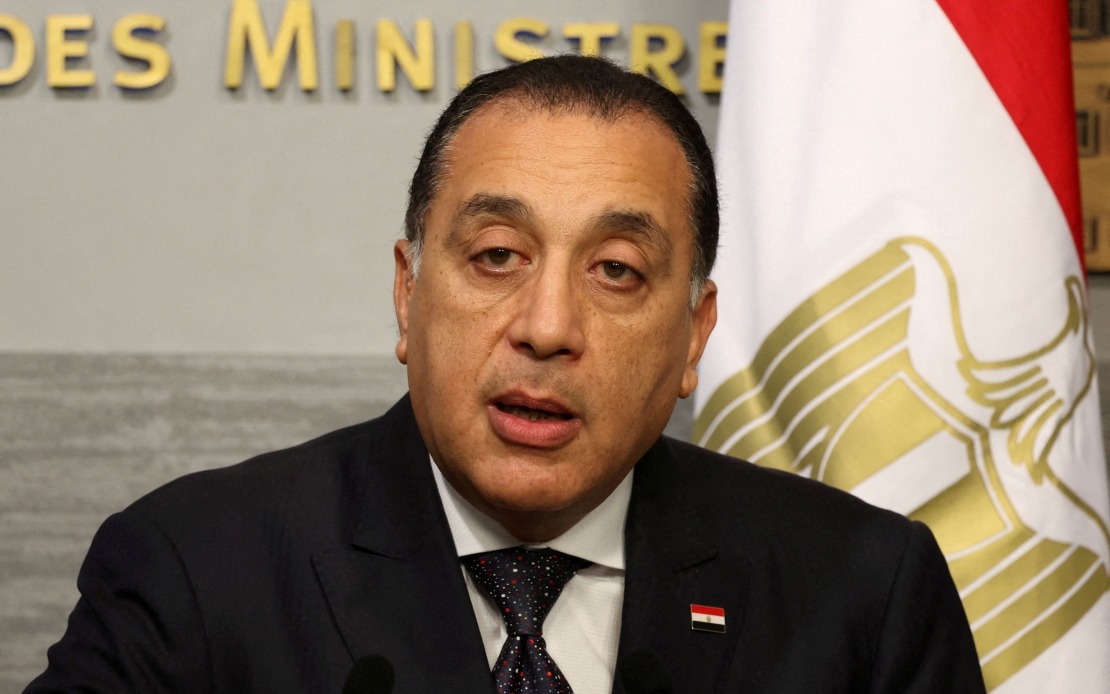
Egypt's government has reaffirmed its commitment to delivering the nation's first nuclear power facility on schedule, with Prime Minister Mostafa Madbouly confirming during high-level talks with Russian nuclear officials that the El Dabaa Nuclear Power Plant remains on track for its first grid connection in 2028. The announcement came as construction milestones continue to be reached, underlining the momentum behind a project that has taken nearly a decade to move from agreement to active construction phase.
The El Dabaa facility represents a pivotal moment for Egypt's energy infrastructure, as the Arab world's most populous nation grapples with electricity demand that has consistently outpaced supply. By adding substantial nuclear-generated baseload power to the grid, Egyptian policymakers aim to address chronic power shortages whilst simultaneously reducing the country's heavy dependence on natural gas and imported fossil fuels. The project sits at the intersection of Egypt's broader energy transition and its strategic partnership with Russia, a relationship that extends well beyond the power sector into defence and economic cooperation.
Located approximately 300 kilometres northwest of Cairo in the Mediterranean coastal region of El Dabaa within Matrouh Province, the facility will ultimately comprise four reactor units, each delivering 1,200 megawatts of electricity when operating at full capacity. This represents a generation capacity of 4,800 megawatts in total—a figure that would substantially augment Egypt's current generating portfolio. Following the initial connection in 2028, Rosatom, Russia's state nuclear corporation, has outlined a timeline for bringing the remaining three units online by 2030, which would represent a relatively rapid deployment of nuclear capacity for a developing nation.
Madbouly's remarks during his meeting with Alexey Likhachev, director general of Rosatom, coincided with the ceremonial installation of the reactor pressure vessel for the facility's second unit. This physical milestone signals that the project has moved decisively beyond planning stages and is now firmly in the construction and assembly phase. The reactor pressure vessel represents one of the most critical and technically demanding components to manufacture and install, so its successful placement underscores both technical competence and the deepening practical cooperation between Egyptian and Russian engineering teams on the ground.
The El Dabaa project emerged from bilateral agreements entered into force in December 2017, making it the culmination of years of diplomatic negotiation and technical feasibility studies. Russian involvement as the principal technology provider, contractor, and financing partner has been essential to the project's viability, as Egypt lacks the indigenous nuclear engineering expertise and industrial capacity to pursue such an undertaking independently. This dependence on Russian technical know-how and equipment highlights the broader pattern of nuclear technology transfer from advanced nuclear states to emerging economies seeking to decarbonise their energy systems.
For Malaysian observers, Egypt's nuclear ambitions carry significant regional implications. The Middle East and North Africa region is experiencing rapid electricity demand growth driven by population expansion, industrial development, and increasingly, water desalination requirements in arid climates. Egypt's success in deploying commercial nuclear power could establish a template that other regional governments, particularly in the Gulf and North Africa, might seek to emulate. Furthermore, Russian engagement in large-scale infrastructure projects across Africa and the Middle East reflects geopolitical repositioning that affects global energy markets and development financing, matters of consequence for Malaysian policymakers monitoring regional balance-of-power dynamics.
The nuclear plant also represents a substantial financial commitment for Egypt, with construction and financing arrangements structured through long-term contracts with Rosatom. Energy security investments of this magnitude reflect government confidence in both the project's technical feasibility and the economic returns it will generate through lower operating costs compared to natural gas-fired generation. Reduced fuel import bills would contribute meaningfully to Egypt's often-strained foreign exchange reserves and help stabilise electricity pricing for both industrial and residential consumers.
Environmental considerations animate Egyptian support for the nuclear option. Natural gas-fired power stations, which currently dominate Egypt's generation mix, emit substantial quantities of carbon dioxide, contributing to climate change whilst consuming finite fossil fuel reserves. Nuclear generation produces no direct carbon emissions during operation, aligning with Egypt's commitments under international climate accords and its own stated clean energy targets. By 2030, the Egyptian government has pledged that renewables and nuclear combined will constitute a meaningful portion of its electricity supply, and the El Dabaa facility will be instrumental in achieving this benchmark.
Rosatom's continued public endorsement of the project, through Likhachev's remarks affirming Russian support and outlining the sequential connection schedule, signals Moscow's determination to maintain this flagship infrastructure partnership. For Russia, successful completion of major nuclear export projects like El Dabaa serves multiple strategic objectives: it generates substantial export revenue, deepens political relationships with key regional actors, and demonstrates Russian technological capabilities in competition with other advanced nuclear suppliers. The project thus occupies a prominent place within Russian grand strategy toward Africa and the Middle East.
Operational readiness and workforce development represent parallel imperatives that have received less public attention but remain critical to project success. Egyptian engineers and technicians will require comprehensive training to operate and maintain four reactors according to international safety standards. Rosatom's contractual obligations include capacity-building elements, but the effectiveness of knowledge transfer and the creation of a sustainable domestic nuclear workforce will determine whether Egypt can eventually manage the facility with minimal ongoing foreign technical assistance.
The completion timeline outlined—with one reactor by 2028 and three additional units by 2030—will compress Egypt's nuclear construction schedule relative to some international precedents, though not unprecedentedly so. Risks to the schedule remain present, including potential delays in component manufacturing, supply chain disruptions, or unforeseen technical challenges during installation and commissioning. Maintaining momentum will require consistent governmental prioritisation, sustained funding flows, and absence of major political or security disruptions in the El Dabaa region.
For Egypt's citizens and businesses, the eventual operation of the El Dabaa facility promises more stable and affordable electricity, reduced import dependence, and lower environmental impacts from power generation. These tangible benefits will likely generate popular support that could anchor the project against political headwinds. As Egypt moves toward a cleaner energy future, the nuclear power plant stands as perhaps the most ambitious and symbolically significant commitment to that transition.

