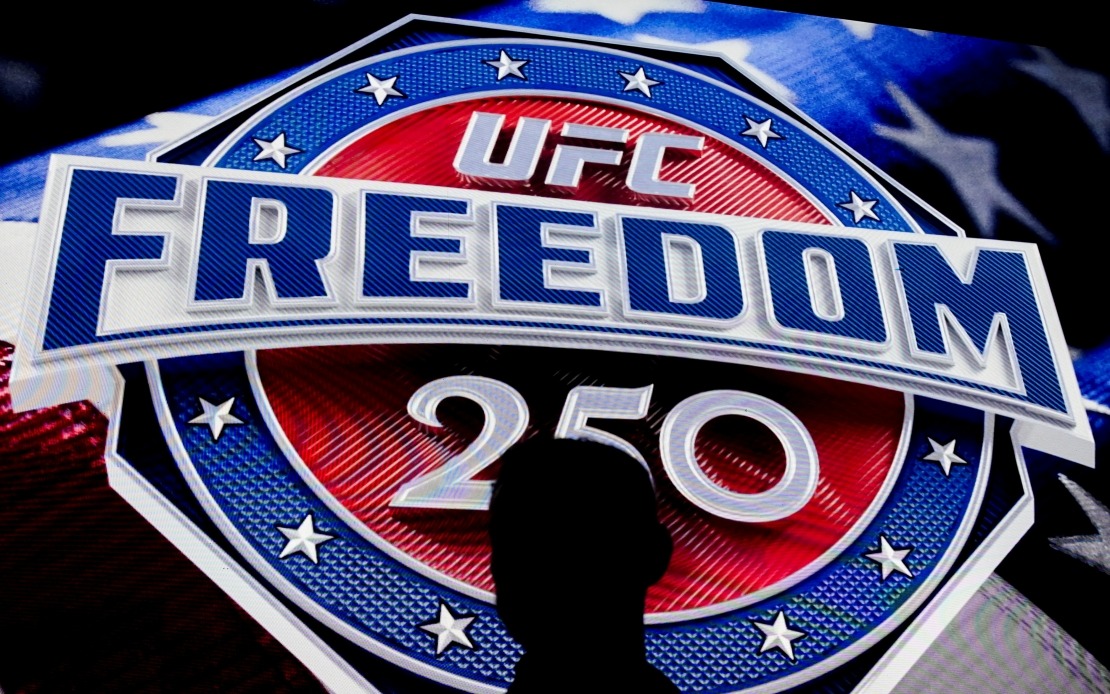
Eight individuals now face serious federal charges stemming from an alleged conspiracy to carry out an attack on a mixed martial arts event hosted at the White House grounds, the US Department of Justice revealed on Thursday. The conspiracy charges relate to a UFC event that took place on June 14 at a specially constructed arena near the South Lawn, an occasion that coincided with President Donald Trump's 80th birthday celebrations. The men stand accused of coordinating plans to deploy weaponry and explosives in what authorities describe as a coordinated assault targeting attendees at the venue.
The severity of the charges reflects the nature of the alleged plot. Federal prosecutors have brought charges of conspiracy to provide material support to terrorists, conspiracy to commit murder on federal government property, and conspiracy to murder a federal government official. These are among the most serious offences prosecutable in the American federal system, with convictions potentially resulting in life sentences for those found guilty. The charges indicate that authorities believe the accused possessed not merely vague intentions but concrete plans to carry out violence.
According to the Department of Justice, the alleged operational plan involved a two-stage assault designed to maximise casualties among attendees. The first phase called for deploying explosive-laden drones around the venue to trigger panic and force an evacuation, creating chaos that would scatter crowds. Once the evacuation was underway and attendees had fled the building, the second phase would involve positioning snipers to target what prosecutors describe as "high-value targets" emerging from the venue. This methodical approach suggests sophisticated planning aimed at achieving maximum impact.
The investigation has resulted in a series of arrests over recent weeks. Authorities had previously announced the apprehension of seven suspects connected to the conspiracy. An eighth suspect, identified as a 21-year-old man from West Virginia, was arrested this week. Prosecutors indicated that this individual was specifically designated to serve as a sniper within the alleged operational framework, representing a critical component of the proposed attack.
The event itself held significant symbolism beyond its immediate context. Officially designated "UFC 250 Freedom," the mixed martial arts competition was presented as part of celebrations marking the 250th anniversary of American independence, despite the Independence Day holiday falling on July 4. The event attracted substantial security attention due to its distinguished guest list, which included President Trump, members of his immediate family, and numerous cabinet officials. The combination of these factors made it an extraordinarily high-profile target.
For Malaysian readers and Southeast Asian observers, this incident carries implications extending beyond the immediate American context. The alleged plot demonstrates the persistent threat of coordinated terrorist attack planning within democratic societies, a concern that resonates across the region as several Southeast Asian nations grapple with their own security challenges. The sophistication attributed to the alleged plan—combining drone technology with sniper positioning—illustrates evolving tactics that security agencies across Asia must monitor and prepare to counter.
The case also highlights the ongoing role of federal law enforcement in identifying and disrupting potential threats before they materialise into violence. The Department of Justice's successful investigation and prosecution efforts suggest that American intelligence and investigative agencies were able to penetrate the alleged conspiracy through surveillance and informant networks. Such capabilities reflect broader patterns of security and intelligence operations that regional partners must understand as they coordinate on transnational security matters.
From a comparative security perspective, this incident underscores vulnerabilities that even highly protected venues and events face when individuals with specific intent, resources, and planning capacity target them. The deployment of drones as potential weapons—a technology increasingly accessible—represents a novel dimension of security concerns that have prompted reassessment of protective protocols worldwide. Regional governments and security agencies have taken note of emerging threat patterns identified in advanced economies.
The alleged plot's targeting of a specific high-profile government event also reflects broader ideological motivations that law enforcement agencies continue to investigate. While the immediate case involves federal charges related to material support for terrorism, the underlying motivations and organisational affiliations of the accused remain subjects of ongoing law enforcement scrutiny. These dimensions typically emerge more fully through court proceedings and investigative disclosures.
The prosecution of these eight individuals represents a significant intervention in the American legal system's counter-terrorism operations. The charges brought forth by a federal grand jury in Columbus indicate that prosecutors believe they possess sufficient evidence to proceed with trials. The potential life sentences underscore both the seriousness with which the American justice system treats such allegations and the magnitude of the harm authorities believe the accused intended to inflict.
As details continue to emerge through legal proceedings, security agencies across Southeast Asia will likely study this case for insights into threat identification, investigation techniques, and prosecution strategies. The incident demonstrates the ongoing challenge of balancing security imperatives with protection of public spaces and democratic gatherings. The ability of authorities to detect and disrupt the alleged plot before implementation suggests that intelligence and investigative techniques, when properly resourced and deployed, can prove effective in preventing catastrophic violence.

