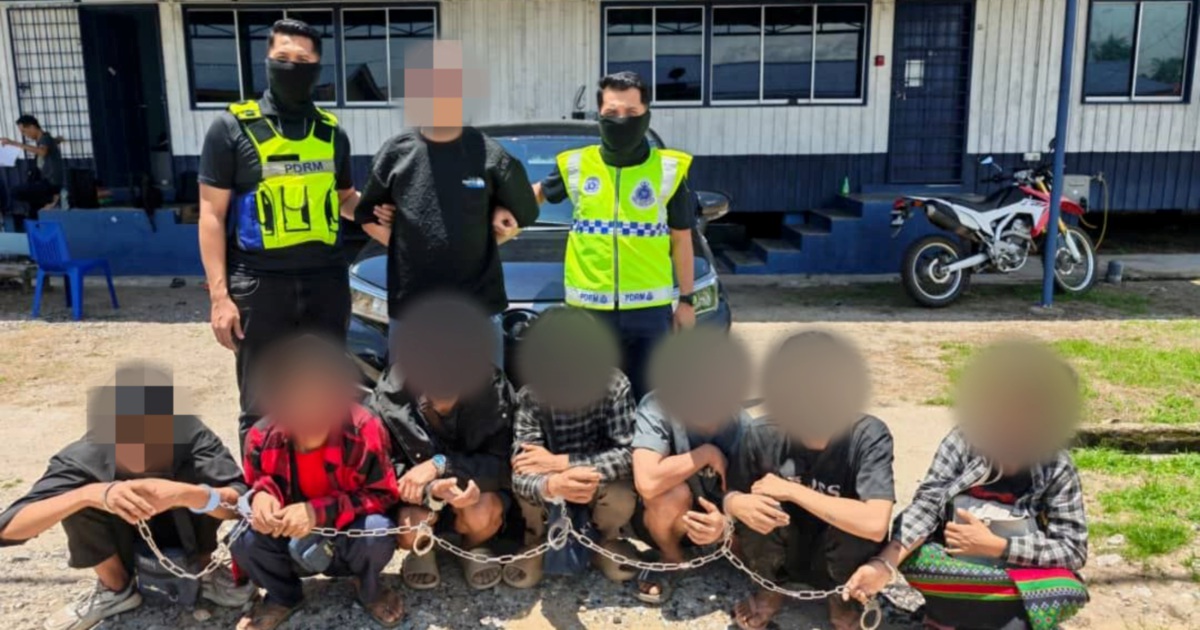
Authorities in Kelantan have intensified efforts to combat human trafficking networks following the arrest of eight people in an early morning raid near Kota Baru. The operation, which targeted a suspected smuggling operation, resulted in the apprehension of a Malaysian citizen believed to be central to the transportation of seven undocumented Myanmar nationals. The arrests represent a significant development in ongoing law enforcement efforts to dismantle organised smuggling rings operating across Malaysia's northern border regions.
The detention of the Malaysian suspect signals the continued involvement of local citizens in cross-border human trafficking operations. Immigration enforcement agencies have long flagged the role of Malaysian nationals as crucial links in smuggling networks, often serving as drivers, guides, and coordinators who facilitate the movement of undocumented migrants through the country. These operations typically exploit vulnerable individuals seeking employment or escape from poverty, charging substantial fees and exposing them to dangerous travel conditions and exploitation.
The successful identification and apprehension of the seven Myanmar nationals suggests improved intelligence gathering and coordination among Kelantan police units. The operation demonstrates the necessity of proactive enforcement strategies, particularly in states like Kelantan that sit along critical migration corridors. The state's proximity to Thailand and historical pattern of irregular border crossings make it a persistent focus area for authorities seeking to disrupt established smuggling routes and networks.
Migrant smuggling operations in Malaysia typically involve multiple actors working in coordinated cells, with roles distributed across recruitment, transportation, safe house management, and document falsification. The detention of eight individuals points to the dismantling of what may have been a more extensive operational structure. Investigators will likely focus on identifying the broader network, including recruitment agents, financiers, and receiving parties involved in placing migrants in employment situations throughout Malaysia.
The plight of undocumented Myanmar nationals remains a critical humanitarian concern across Southeast Asia. Economic desperation and political instability have driven successive waves of migration from Myanmar, with Malaysia consistently emerging as a preferred destination due to perceived employment opportunities. However, the journey itself frequently involves exploitation by smugglers who exploit migrants' vulnerability and desperation, charging exorbitant fees while subjecting them to hazardous conditions.
This case underscores the persistent challenge facing Malaysian law enforcement in balancing immigration enforcement with humanitarian considerations. Undocumented migrants, while subject to immigration procedures, are simultaneously victims of organised trafficking networks that profit from their desperation. Authorities must navigate complex investigations that simultaneously address both the criminal smuggling operations and the protection needs of trafficking victims, particularly vulnerable populations including women and children.
The arrests also highlight the sophisticated nature of modern smuggling operations, which have evolved to exploit digital communication platforms and coordinate movements across multiple jurisdictions. Smugglers utilise encrypted messaging, employ spotters to monitor police activities, and maintain flexible routing to avoid detection. Dismantling these networks requires sustained investment in intelligence-led policing, inter-agency cooperation, and cross-border coordination with neighbouring Thailand and Myanmar authorities.
Economic factors continue to drive both the supply and demand sides of the smuggling equation. Migrant workers accept enormous risks because employment prospects in Myanmar remain severely limited, whilst Malaysian employers benefit from a readily available low-cost labour pool with minimal regulatory oversight. This structural incentive dynamic ensures that supply-side enforcement alone proves insufficient without parallel efforts to address both economic drivers and demand-side factors through workplace inspections and employer accountability.
Regional cooperation mechanisms have gradually expanded to address migrant smuggling, with ASEAN member states increasingly sharing intelligence and coordinating enforcement operations. However, significant gaps persist in implementation capacity, with some jurisdictions lacking resources for sustained investigation and prosecution. The Kelantan operation demonstrates that Malaysian authorities continue developing capability in this domain, though comprehensive solutions require sustained resource allocation and political will across the region.
The legal proceedings against the arrested individuals will likely involve charges under Malaysia's Anti-Trafficking in Persons and Anti-Smuggling of Migrants Act, legislation that carries substantial penalties including imprisonment and fines. Successful prosecution depends upon establishing the commercial nature of the operation and demonstrating the defendants' knowledge of the migrants' undocumented status. These cases frequently prove complex, requiring coordination between immigration officials, federal police, customs authorities, and prosecutors to construct comprehensive evidentiary cases.
Beyond the immediate criminal justice response, the case raises broader questions about Malaysia's role in regional migration management. As a middle-income nation with established labour markets, Malaysia must balance its economic interests in accessing migrant labour with its obligations under international human trafficking conventions. Comprehensive approaches combining enforcement, victim protection, labour standards improvement, and regional cooperation offer the most promising pathway toward reducing exploitation whilst maintaining necessary economic flexibility.

