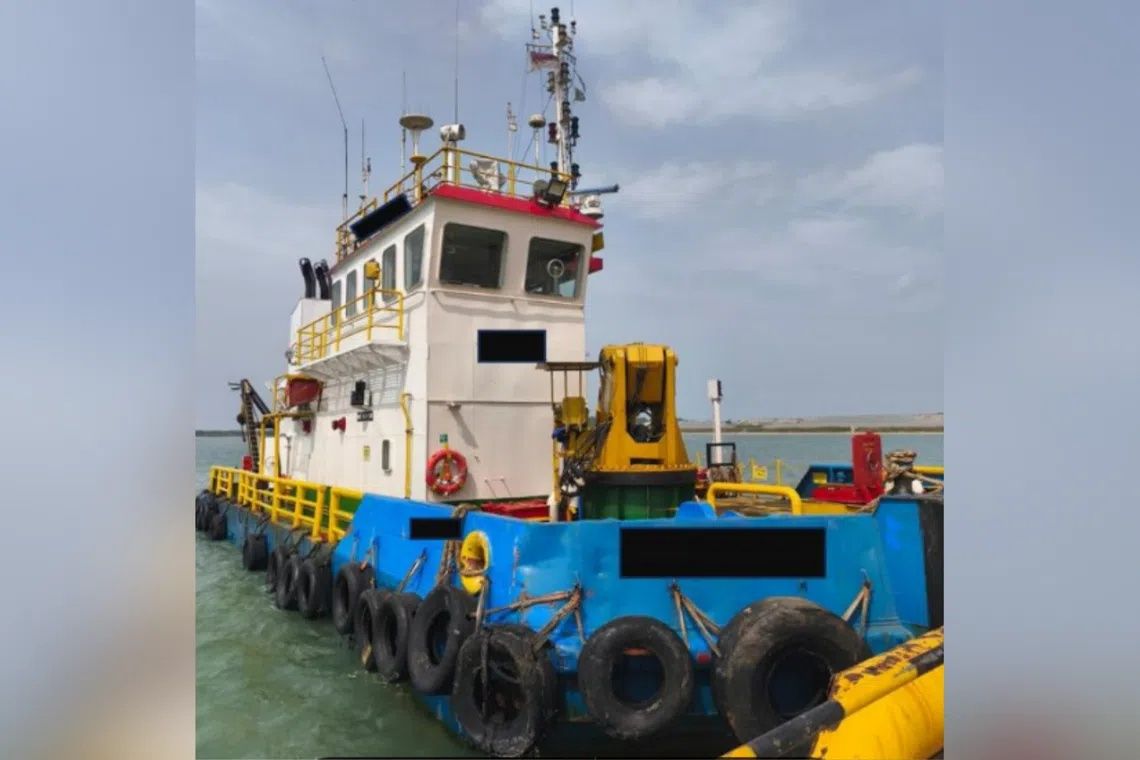
Eight men are scheduled to appear before Singapore courts on Friday, August 14, following their arrest on suspicion of participating in an unlicensed transaction involving marine gas oil. The incident represents another case of theft within Singapore's closely monitored maritime zones, drawing attention to persistent challenges in protecting shipping infrastructure and fuel supplies in one of the world's busiest ports.
Police Coast Guard personnel discovered the alleged offence during a routine inspection of a Singapore-registered tugboat operating in the Tuas anchorage area at approximately 1.05am on August 13. The timing of the early morning check appears deliberate, reflecting operational tactics designed to catch criminal activity when vigilance on vessels may be lower. The Tuas area, situated in southwestern Singapore near the Malaysian border, serves as a critical maritime hub where numerous commercial vessels anchor and conduct routine operations.
According to preliminary police investigations, the arrested men—all crew members employed aboard the tugboat—are suspected of misappropriating marine gas oil valued at approximately S$10,570 without authorization from their employer. The investigation revealed that the fuel was subsequently sold through illegal channels, with the proceeds allegedly kept for personal use by those involved. Such insider theft represents a particular security concern for shipping companies and port authorities because it exploits the trusted access that crew members possess.
The individuals in custody range in age from 25 to 54 years old, suggesting the alleged scheme involved personnel at various career stages. This age diversity may indicate either a loose coalition of opportunity-driven individuals or a more organized operation spanning different crew hierarchies. The involvement of multiple crew members raises questions about whether supervisory oversight aboard the vessel had weakened or whether collusion extended beyond those arrested.
The charges these men will face carry substantial legal consequences under Singapore law. Prosecutors intend to pursue the offence of theft by servant of property in possession of master, a provision specifically designed to address breaches of trust by employees in positions of access and authority. If convicted, each defendant faces potential imprisonment of up to seven years and financial penalties, penalties that reflect Singapore's stringent approach to maritime crime and employee misconduct.
Marine gas oil, a refined petroleum product widely used as fuel in commercial shipping, represents a valuable commodity in Singapore's maritime economy. Theft of such fuel not only causes direct financial loss to shipping companies but also undermines operational efficiency and increases insurance costs across the industry. For Malaysian operators and companies with vessels regularly transiting or anchoring in Singapore waters, such incidents underscore the importance of robust security protocols and crew vetting procedures.
Singapore's Port Authority and police force have invested heavily in surveillance and enforcement capabilities to combat maritime theft and smuggling. The early morning interception of this tugboat demonstrates the practical application of these resources. The strategic positioning of Coast Guard assets and their capacity to conduct unannounced inspections serve as deterrents against criminal activity, though incidents continue to occur as individuals calculate risks against perceived financial gain.
The broader implications of this case extend beyond the immediate theft. Maritime fuel theft has connections to larger organized crime networks operating throughout Southeast Asia. Stolen marine gas oil sometimes finds its way into illicit fuel distribution channels, potentially supplying vessels engaged in other illegal activities such as unlicensed fishing or drug trafficking. Disrupting these supply chains requires coordinated enforcement across multiple jurisdictions, a challenge that demands sustained cooperation between Singapore, Malaysia, and other regional maritime authorities.
For Malaysian stakeholders in the shipping and logistics sectors, the incident serves as a reminder of vulnerabilities that exist even within highly regulated port environments. While Singapore maintains arguably the most sophisticated maritime law enforcement apparatus in the region, similar crimes occur in other Southeast Asian ports with less developed monitoring systems. Companies operating in Malaysian waters and ports must implement comparable internal controls, crew background screening, and audit procedures to protect fuel supplies and other valuable assets.
The police statement following the arrests emphasized Singapore's commitment to maintaining security within its territorial waters. Authorities indicated their intention to continue conducting enforcement and security checks targeting illicit maritime transactions. This messaging appears designed to reassure shipping industry participants that the authorities treat fuel theft and related crimes as serious threats requiring active investigation and prosecution.
The case also highlights the human dimensions of maritime crime. Individual crew members, sometimes earning modest wages relative to the value of resources they handle, may become susceptible to involvement in theft schemes when financial incentives are presented. Understanding these motivations helps port authorities and shipping companies develop more effective prevention strategies, potentially including improved compensation structures, stronger ethical training, and clearer whistleblower protections that might discourage insider participation in criminal activity.
As Singapore and the broader region continue developing maritime security frameworks, cases such as this provide valuable operational lessons. The successful detection and arrest of the suspected perpetrators demonstrates that enforcement mechanisms are functioning, yet the occurrence of the crime itself suggests that gaps remain. For Malaysian maritime interests, maintaining vigilance and adopting best practices proven effective in Singapore represents a practical approach to protecting assets and maintaining supply chain integrity across Southeast Asian waters.

