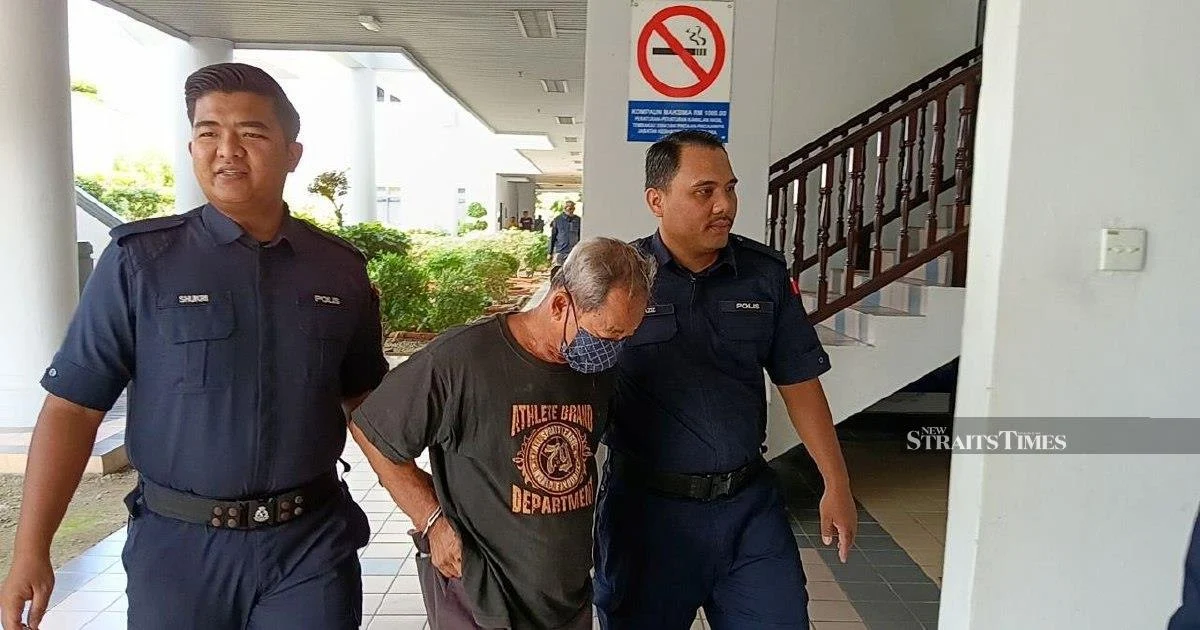
A senior citizen faced the courts in Melaka today after being formally charged with two counts of physical sexual assault targeting primary schoolgirls. The charges were presented before the Ayer Keroh Sessions Court, marking a serious escalation of child safety concerns in the state, which has seen increased public awareness around protecting minors in institutional and communal spaces.
The elderly defendant's arraignment represents one of the more troubling cases to emerge from Melaka's judicial system in recent months. Allegations of this nature, particularly involving minors in spaces that are supposed to represent sanctuary and community trust, have generated significant concern among parents, school administrators, and religious leaders across the state. The choice of location—a mosque storeroom—adds another dimension to the case, as it raises questions about security protocols and supervision in religious facilities that families trust with their children.
Child protection advocates across Malaysia have long flagged vulnerabilities in how various institutions manage access to minors, particularly in communal and semi-private spaces. Schools, mosques, community centres, and places of worship have increasingly become focal points for policy discussions around safeguarding. The Melaka case underscores the ongoing tension between maintaining open, welcoming community spaces and implementing robust security measures that discourage predatory behaviour.
The Ayer Keroh Sessions Court jurisdiction handles criminal cases of considerable gravity, and the formal filing of charges indicates that investigating authorities found sufficient evidence to proceed to trial. This threshold requires substantive witness testimony, physical evidence, or other corroborating factors that convinced prosecutors the case warranted advancement through the criminal system. The involvement of two separate victims strengthens the prosecution's position and may allow the court to consider patterns of behaviour.
Such allegations against senior citizens, while statistically less common than offences by younger demographics, present particular challenges for the justice system. Courts must carefully weigh factors including capacity, mental state, and credibility while ensuring that advancing age does not inadvertently shield perpetrators from accountability. Simultaneously, defence counsels may invoke health considerations as mitigating factors during sentencing phases, should convictions result.
For the two young victims and their families, the court process represents a lengthy journey ahead. Malaysia's legal framework requires comprehensive testimony from child witnesses, a process that child psychologists and trauma specialists have identified as potentially retraumatising without proper support structures. Many jurisdictions, including Malaysia's courts, have implemented measures such as closed-circuit testimony and specially trained intermediaries to minimise secondary harm to child victims during proceedings.
The case also highlights systemic questions about background screening and access control in religious institutions. Malaysia's mosque authorities and Islamic education networks have increasingly invested in staff vetting and supervision protocols, yet gaps remain in how premises are monitored and who may have unsupervised access to children. This incident may prompt renewed discussions among Melaka's Islamic authorities regarding enhanced safeguarding standards.
Police investigations into how the alleged incidents occurred, when they occurred, and what access the accused had to victims will remain crucial to the prosecution's case. Establishing timeline, location evidence, and consistent witness accounts form the foundational elements prosecutors must present convincingly to the court. The complexity deepens when child witnesses are involved, as their testimony must be corroborated through other evidence to meet prosecutorial standards.
For Malaysian society more broadly, cases involving child assault in communal settings periodically reinvigorate discussions about institutional accountability and transparency. Parents often express anxiety about where their children spend time outside school, whether at religious lessons, community activities, or extracurricular programmes. While the vast majority of adults in these roles are trustworthy, high-profile cases create justified scrutiny of selection processes and oversight mechanisms.
The Melaka case will proceed through the Sessions Court system, where both prosecution and defence will present their full arguments. If convicted, the defendant would face penalties under relevant sections of Malaysia's Penal Code addressing sexual crimes against minors. Sentencing considerations in such cases typically encompass the severity of offences, number of victims, aggravating circumstances, and any prior criminal history.
Beyond the courtroom, child protection organisations in Malaysia anticipate this case will prompt institutional audits and policy reviews across Melaka. Schools and mosques often work collaboratively to integrate religious and secular education, yet security responsibilities sometimes become unclear when activities occur across multiple premises. Clarifying these responsibilities and ensuring consistent safeguarding standards represents an ongoing challenge for educational and religious leaders throughout the state.

