Malaysia's Election Commission is embarking on a thorough examination of proposals to introduce domestic postal voting for citizens across Peninsular Malaysia, Sabah and Sarawak, marking a potential shift toward modernizing the country's electoral infrastructure. The initiative comes amid broader discussions about improving electoral accessibility and transparency in Southeast Asia's established democracies.
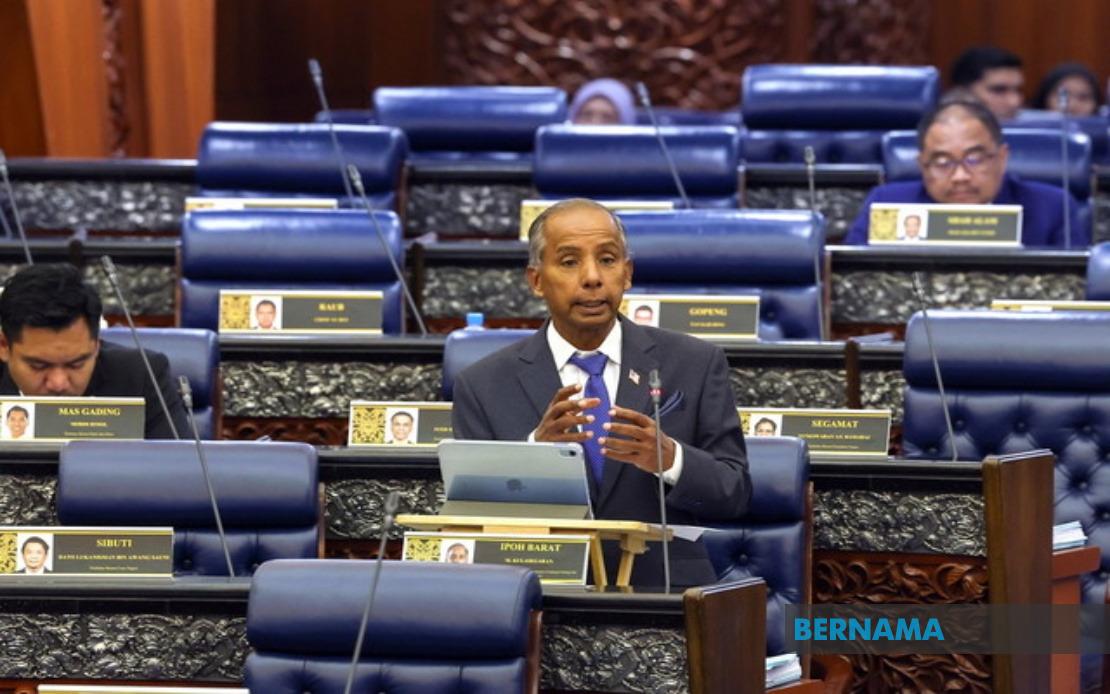
M. Kulasegaran, Deputy Minister in the Prime Minister's Department (Law and Institutional Reform), outlined the timeline for this significant undertaking when responding to parliamentary questions during a Dewan Rakyat Special Chamber session. He emphasized that completing the study will require extensive consultations with diverse stakeholders, particularly the nation's political parties, whose input will be crucial before any definitive policy direction emerges. The Deputy Minister indicated that the comprehensive review process is expected to reach completion sometime in 2025, giving authorities and interested parties sufficient time to evaluate the practical implications and operational feasibility of expanding postal voting mechanisms.
The proposed expansion of postal voting represents a meaningful response to accessibility concerns that have long existed within Malaysia's electoral framework. Current voting arrangements require most citizens to physically attend polling stations, a requirement that can prove challenging for workers in remote regions, overseas citizens, individuals with mobility constraints, and those managing family obligations on election day. By extending postal voting options beyond the limited categories currently eligible, the system could theoretically boost participation rates and ensure broader representation of the electorate's genuine preferences. This concern has gained particular resonance in Sabah and Sarawak, where geographical challenges and dispersed populations create genuine logistical barriers to in-person voting.
Parallel to the postal voting study, the government has signaled receptiveness to a structural reform that could fundamentally reshape the Election Commission's institutional standing within Malaysia's governance architecture. Kulasegaran indicated that the administration views favorably a proposal to relocate the EC from its current positioning under the Prime Minister's Department to instead operate under the purview of Parliament. Such a repositioning would carry symbolic and practical significance, potentially enhancing the perceived independence and credibility of Malaysia's electoral management body. In many established democracies, electoral commissions operate with explicit parliamentary oversight rather than executive branch control, a model that proponents argue strengthens public confidence in electoral integrity.
The government's openness to reconsidering the EC's institutional placement reflects mounting advocacy from various quarters for greater autonomy in electoral administration. Under current arrangements, the EC reports to the Prime Minister's Department, a configuration that critics contend could create perceptions of political influence over electoral processes. Repositioning the EC under Parliament rather than the executive branch would theoretically provide a more institutionally neutral setting for electoral decision-making. Kulasegaran stated that this suggestion merits serious consideration and indicated that relevant stakeholders would be consulted to facilitate a timely resolution. The commitment to bring the matter to appropriate parties signals that fundamental institutional questions about electoral governance remain actively under review within Malaysia's policy-making circles.
Another electoral matter addressed during the parliamentary session concerned mobile phone usage at polling stations, where enforcement of existing restrictions remains inconsistent across different polling locations. Some observers have raised concerns that current control mechanisms lack sufficient rigor, potentially compromising the integrity of the voting environment. Kulasegaran, however, expressed confidence that the Election Commission's existing systems provide adequate safeguards against unauthorized mobile phone use during voting. The Deputy Minister indicated no intention to strengthen enforcement through legislative amendment or by establishing mobile phone use as a specific distinct offence under the Election Offences Act 1954. This position suggests the government views the current prohibition as sufficiently robust to address practical concerns, though implementation consistency may require continued attention.
The intersection of these three electoral topics—postal voting expansion, institutional repositioning, and polling station management—reflects Malaysia's ongoing evolution in electoral administration. The country finds itself at an inflection point where technological capabilities and international best practices offer opportunities to enhance both voting accessibility and procedural integrity. Regional comparisons provide relevant context: other Southeast Asian nations have experimented with postal voting mechanisms and various institutional arrangements for electoral commissions, offering practical lessons about implementation challenges and benefits. Malaysia's deliberate, consultative approach to these questions suggests policymakers recognize that electoral systems require careful calibration to balance accessibility, security, and public confidence.
The involvement of Isnaraissah Munirah Majilis from WARISAN representing Kota Belud indicates that electoral modernization concerns extend across Malaysia's diverse political spectrum and geography. Kota Belud's location in Sabah underscores how regional representation shapes electoral policy discussions, particularly regarding the practical challenges facing voters in East Malaysia. These geographical and political dynamics will likely feature prominently in the stakeholder consultations that will accompany the Election Commission's ongoing study. The diversity of perspectives that must be accommodated during the consultation process may ultimately influence whether and how postal voting expansion proceeds across different regions.
The timeline extending into 2025 allows sufficient space for meaningful deliberation, though it also reflects the complexity inherent in implementing systemic electoral reforms. Political parties, civil society organizations, electoral management experts, and regional authorities all possess legitimate interests in how voting mechanisms evolve. Their competing perspectives and practical expertise require careful reconciliation before policy implementation. The government's commitment to completing the study within a defined timeframe demonstrates intent to advance the discussion while acknowledging that electoral reform demands thorough, inclusive consideration rather than hasty implementation.
For Malaysian voters and observers concerned with electoral accessibility and integrity, these concurrent initiatives suggest that substantive dialogue about modernizing democratic processes remains active at the highest levels of governance. The proposed expansion of postal voting could prove transformative for citizens facing genuine barriers to in-person participation, while institutional repositioning of the EC might enhance systemic legitimacy and public confidence. However, the actual implementation and effectiveness of any reforms will depend on careful execution and sustained commitment to addressing the practical, technical, and security considerations that accompany systemic electoral change in a diverse, geographically dispersed democracy.

