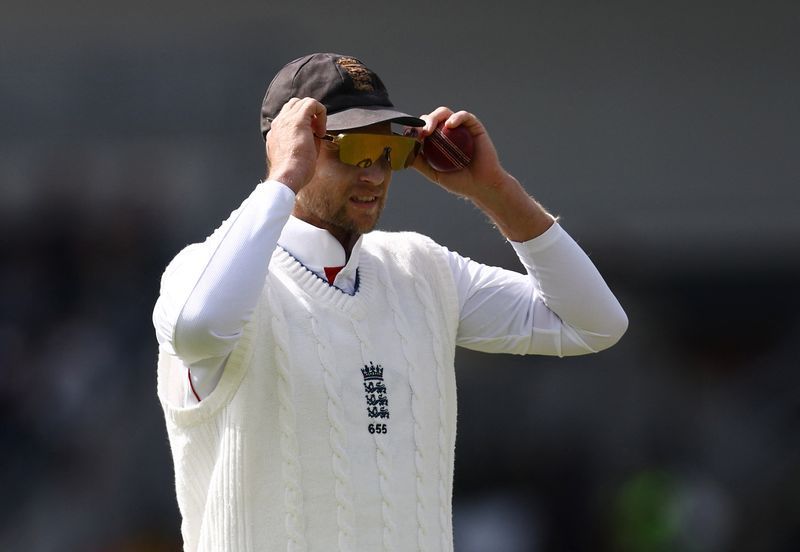
England cricket captain Joe Root has made clear his frustration over what he describes as a pattern of avoidable mistakes off the field, following yet another incident involving one of his players at a nightclub. The latest episode has seen fast bowler Brydon Carse dropped from the upcoming second test against Pakistan, which begins Thursday, after videos circulated on social media appearing to show the 31-year-old in handcuffs during a police interaction. Root's candid reaction reflects mounting concern within the England Cricket Board about the conduct of its players during off-duty hours and the impact such incidents have on the team's public image and reputation.
Carse's situation represents the continuation of a troubling trend that has dogged England cricket in recent months. The list of players involved in similar nightclub incidents now includes batsmen Harry Brook and Ben Duckett, all-rounder Gus Atkinson, and notably former captain Ben Stokes, whose conduct during such episodes contributed to his eventual retirement from international cricket. This succession of incidents has prompted serious questions about whether a problematic drinking culture has taken root within the squad, and whether the team's management has been sufficiently firm in addressing behavioral standards expected of international representatives.
Speaking to journalists on Tuesday, Root did not mince words about his disappointment with the recurring nature of these off-field problems. He described himself as "really hacked off" and emphasized that the issue extends beyond any single isolated occurrence. Instead, he pointed to what he sees as a systemic problem: the team's inability to avoid repeating similar mistakes despite presumably learning lessons from previous incidents. For Root, the frustration stems from the fact that these lapses are actively undermining the positive work the team is achieving on the cricket field, where England has shown strong form, having won the opening test against Pakistan by an innings and 103 runs.
The broader challenge facing Root and the ECB is one of culture and standards. Root acknowledged that the team is not currently presenting itself in the manner the organization and the players themselves aspire to represent. However, he was careful to note that building a strong organizational culture is a lengthy process that cannot be rushed. The captain emphasized that the squad has already held discussions laying out clear expectations of players wearing the England shirt, including what the honor of international representation demands in terms of personal conduct both on and off the field. These conversations, according to Root, have been explicit and unambiguous about standards of behavior.
Regarding Carse specifically, Root indicated he had spoken directly with the bowler following the incident. The captain's assessment was sympathetic to Carse as an individual while remaining firm on the breach of conduct. Root noted that his initial concern centered on Carse's wellbeing as a person, and he observed that the player is deeply upset and apologetic about the situation. More significantly, Root suggested that Carse understands the seriousness of his actions and their implications. The captain appeared confident that should Carse earn another opportunity to represent England in future matches, the player will address the matter himself, suggesting a process of accountability and learning.
The formal consequences for Carse have been swift, though legally the matter appears to have been resolved without charges. He has been removed from the squad for the second test at Lord's, with Sonny Baker selected as his replacement. Beyond the immediate team selection decision, the ECB has announced that its independent Cricket Regulator will conduct an investigation into whether Carse breached the organization's code of conduct. This formal review process underscores that the governing body is treating such incidents with appropriate gravity and is committed to ensuring consistent application of disciplinary standards across the player base.
For Malaysian and Southeast Asian cricket followers, these developments carry particular relevance as England remains a major cricket nation whose conduct influences standards and expectations throughout the sport. The visible struggle of a top cricket administration to maintain disciplinary standards among elite players raises questions about what safeguards and cultural initiatives other cricket boards might implement to prevent similar problems. The incident also highlights the intersection between modern sports management, social media scrutiny, and player conduct—issues that resonate across professional sports globally.
Root's public frustration may also serve a strategic purpose beyond venting. By making clear his personal disappointment and the seriousness with which he views these infractions, the captain is signaling to the broader squad that standards are non-negotiable and that future incidents will face serious consequences. This represents an important moment in establishing authority and setting expectations for the remainder of the Pakistan series and beyond. The captain's measured but firm approach suggests he is committed to being part of the solution rather than simply reacting to crises as they emerge.
The timing of these incidents, occurring during a significant test series against Pakistan, compounds the reputational damage and creates an unwelcome distraction from cricket matters. England will now proceed with the second test at Lord's and a third test in Birmingham later next month, with the squad working to demonstrate that the team can maintain focus and discipline despite the off-field turbulence. Whether Root's stern messaging and the removal of Carse from the squad will prove sufficient to arrest the pattern of incidents remains to be seen, but his comments suggest the team leadership is taking the matter with the seriousness it warrants.

