The European Union has mobilised €2.1 million (US$2.4 million) in emergency humanitarian assistance for Colombia in the aftermath of a powerful 7.4 magnitude earthquake that struck the South American nation earlier this week, leaving at least 181 people dead and widespread destruction in its wake. The swift financial commitment reflects the bloc's commitment to supporting crisis-affected regions and demonstrates the multilateral mechanisms through which developed economies respond to natural disasters in the Western Hemisphere.
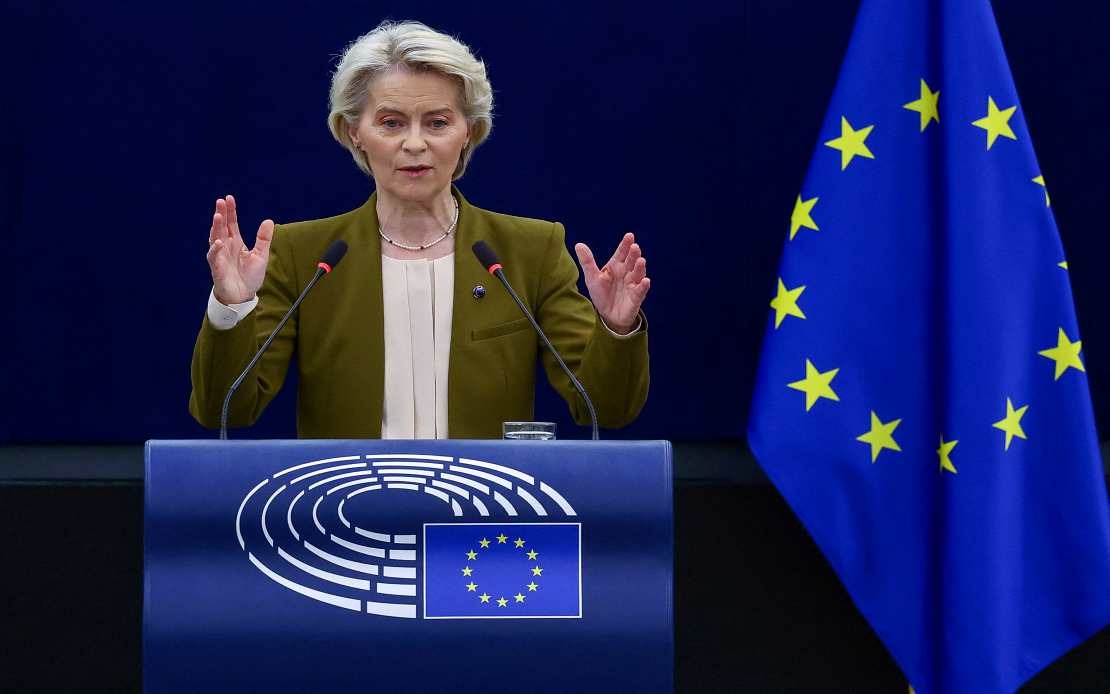
European Commission President Ursula von der Leyen announced the assistance on Wednesday, emphasising the EU's determination to provide aid as search and rescue operations continue across affected areas. The announcement came as emergency responders worked against time to locate survivors beneath collapsed structures and coordinate relief efforts across hard-hit regions. Von der Leyen's statement underscored that the EU stands ready to adapt its support as the situation evolves and humanitarian needs become clearer in the days following the initial disaster.
The allocated funding targets the most vulnerable populations impacted by the seismic event, with resources directed specifically toward critical needs identified by on-ground assessments. The package encompasses health services, clean water supplies, sanitation and hygiene materials essential for preventing disease outbreaks in crowded displacement centres, emergency shelter provision for those whose homes were destroyed, food assistance for displaced populations, protection services for vulnerable groups including children and women, and cash assistance that enables affected families to purchase necessities independently. This comprehensive approach reflects international best practices in disaster response, which prioritise both immediate survival needs and longer-term recovery.
Additional support came through the European Commission's allocation of €100,000 specifically to the German Red Cross operating in the heavily impacted departments of Chocó and Valle del Cauca. This targeted funding, distributed on Tuesday, was designed to address the most pressing immediate needs of approximately 2,500 families in regions that bore the earthquake's brunt. The decision to channel funds through established humanitarian organisations already operating in affected areas accelerates delivery and ensures resources reach beneficiaries efficiently, as these organisations maintain logistics networks and on-ground presence necessary for rapid response.
Beyond financial contributions, the EU has deployed its advanced technological capabilities to support Colombian emergency management authorities. The European Commission made available its satellite mapping and emergency mapping services, enabling coordinators to assess damage extent, identify accessible routes for aid distribution, locate priority rescue areas, and monitor ongoing aftershock impacts. This form of technical assistance proves invaluable during the critical early phases of disaster response when rapid situational awareness directly influences resource allocation and operational effectiveness.
The earthquake, striking a region already vulnerable to infrastructure fragility and economic limitations, poses significant reconstruction challenges for Colombia. The combination of loss of life, infrastructure damage, displaced populations, and economic disruption requires sustained international engagement beyond the immediate humanitarian phase. For Malaysian and Southeast Asian observers, the EU's response demonstrates how regional blocs coordinate disaster assistance, a model relevant given this region's exposure to similar seismic and natural hazard risks.
The European Commission maintained continuous engagement with Colombian officials to ensure that aid commitments align with evolving ground realities. This liaison between international donors and recipient governments remains crucial as initial assessments often underestimate impacts or miss emerging needs as situations stabilise. The coordination mechanism allows the EU to adjust support, scale assistance up or down, and integrate its contributions with those from other international partners, maximising overall aid effectiveness and avoiding duplication.
Colombia's earthquake occurs amid a region experiencing increased seismic activity, with multiple countries along the Pacific Ring of Fire facing earthquake risks. The disaster serves as a reminder of vulnerability facing developing economies where building codes, early warning systems, and emergency preparedness infrastructure remain inadequate. International assistance, while essential, highlights the importance of long-term investment in disaster risk reduction, structural resilience improvements, and strengthened emergency management capacity.
The EU's response also reflects broader geopolitical considerations, as the bloc seeks to maintain engagement with Latin American partners amid strategic competition for influence in the region. Humanitarian assistance serves both moral imperatives and diplomatic objectives, strengthening relationships and demonstrating reliable partnership during crises. For Southeast Asian nations monitoring international responses, the EU's coordination of technology and funding offers insights into multilateral approaches to regional disasters.
Looking forward, the adequacy of current assistance will become clearer as damage assessments progress and recovery phases begin. Seismic events of this magnitude typically generate needs far exceeding immediate emergency response, requiring reconstruction financing, psychosocial support, livelihood restoration, and infrastructure rehabilitation. The €2.1 million represents a substantial initial commitment, though preliminary indications suggest total disaster costs will ultimately demand considerably larger investment from Colombian government resources and additional international support, positioning sustained donor coordination as critical.

