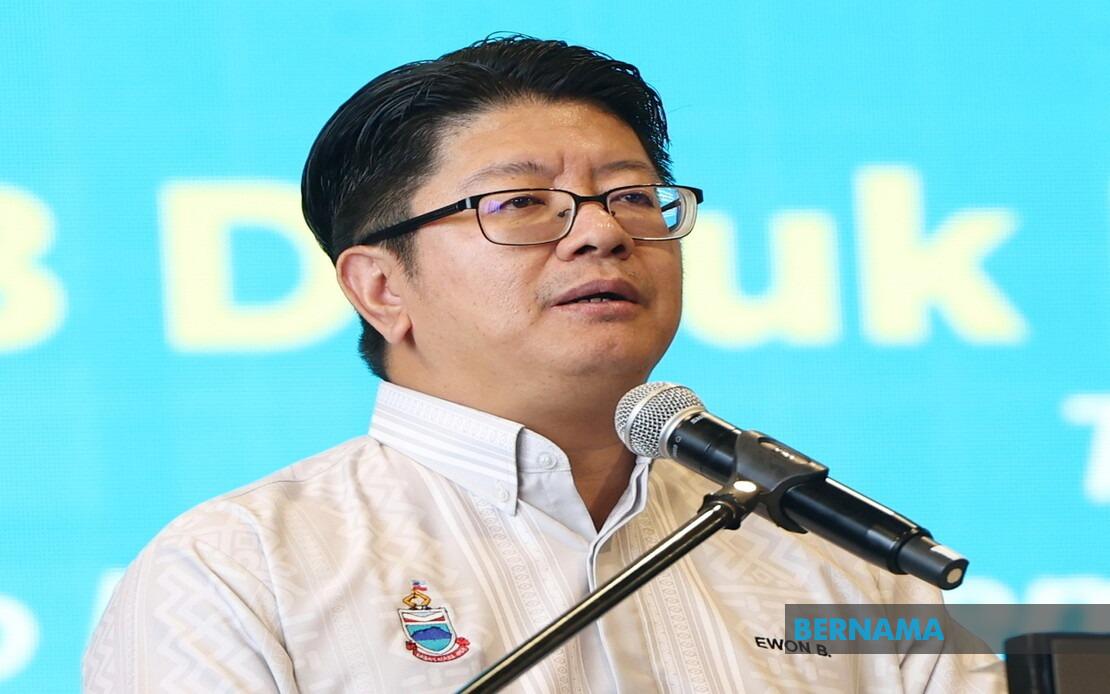
Datuk Ewon Benedick and Datuk Donald Peter Mojuntin have secured another term leading the United Progressive Kinabalu Organisation, running unopposed in elections held during the party's 17th triennial delegates conference in Penampang on August 10. The two leaders will continue steering the Sabah-based political movement through 2029, with their reelection reflecting confidence from the party membership after their previous tenure.
Alongside the top two positions, five vice-presidents emerged without facing contests from rival candidates. Jairaiaz Joseph, Datuk Wong Thien Fook, Datuk Pangiran Lalung, Datuk Basari Sarikun, and Datuk Dr Laurentius Nayan Ambu will continue in their respective roles, suggesting a period of internal stability within the organisation. The absence of electoral challenges for these senior positions indicates either strong party consensus around the incumbents or limited appetite among the membership for leadership transitions at this level.
In his closing remarks to delegates, Ewon emphasised the importance of maintaining democratic principles within UPKO, even as the election results demonstrated a preference for continuity. He characterised the electoral process as a mechanism for strengthening party unity rather than as a source of internal division, framing the outcome in terms of collective family interests. His language suggested an attempt to position the party as cohesive and forward-looking, despite the lack of genuine electoral competition at the upper echelons.
Ewon articulated a vision of party leadership as custodians of grassroots sentiment, tasked with communicating UPKO's policy preferences and resolutions to the broader machinery of government. He specifically referenced Sabah Chief Minister Datuk Seri Hajiji Noor and his role as chairman of Gabungan Rakyat Sabah, the coalition that anchors UPKO's political positioning within the state. This emphasis underscores the party's role as a component organisation within a larger political alliance, dependent on leveraging its internal unity to amplify influence in state and federal forums.
The new leadership will inherit responsibility for presenting UPKO's positions during parliamentary and legislative assembly debates, a constitutional obligation that transforms party resolutions into formal political discourse. This dual mandate—internal cohesion and external advocacy—suggests that Ewon and his team view their reelection as both a mandate for continuity and an opportunity to shape policy outcomes at the state and national levels. For Malaysian observers, this represents a pattern familiar across component parties within coalitions, where maintaining internal discipline serves the broader electoral and legislative interests of the alliance.
Despite the absence of contests for the presidency and vice-presidencies, several party wings underwent leadership changes that point to generational renewal at secondary levels. Carlye Lajimin replaced the previous UPKO Youth chief, while Newbaxter Tibin assumed the deputy youth leadership role, suggesting the party recognises the need to inject fresh voices into youth mobilisation. These shifts indicate that while senior leadership remains stable, the organisation is attempting to refresh its capacity to engage younger demographics.
Mohina Sidom retained her position as UPKO Women chief, reinforcing the party's confidence in her leadership of the women's wing. Alongside her, Lomiti Jahan was elected deputy chief, creating a pairing that may signal the party's commitment to sustaining female representation in decision-making structures. The women's wing operates as a critical mobilisation apparatus within UPKO, responsible for grassroots engagement and the articulation of gender-specific policy concerns.
The party also constituted a Young Generation leadership structure with Emmanuel Atin as chief and Alison Chan as deputy chief. The distinction between youth wings and young generation divisions is common in Malaysian political parties, reflecting different age demographics and strategic roles. The establishment of distinct leadership for this segment suggests UPKO is attempting to create multiple pathways for political participation and advancement among younger members, potentially broadening the party's appeal beyond traditional patronage networks.
For Malaysian political observers, UPKO's uncontested leadership elections raise questions about the health of internal democratic processes within component parties. While the absence of challengers can indicate cohesion and confidence in incumbents, it may also reflect limited opportunity for internal dissent or the consolidation of power around established figures. In the context of Sabah politics, where UPKO has historically served as a bridge between different ethnic and regional constituencies, the maintenance of stable leadership arguably provides predictability to the broader GRS coalition, even if it may constrain innovation or reform impulses within the organisation itself.
The timing of UPKO's party election also places the renewed leadership in position to shape the party's strategy heading toward the next general election cycle and state electoral contests. With national elections not scheduled until 2028, the 2026-2029 leadership term offers a full window for policy development, candidate preparation, and coalition positioning. Ewon and Donald will face the task of maintaining party relevance within a competitive state political environment where ethnic representation, resource distribution, and development priorities remain central to voters' calculations.
UPKO's renewal also reflects broader patterns within Malaysian coalition politics, where established parties with stable constituencies opt for leadership continuity over competitive elections. This approach prioritises reliability and predictability in coalition management, allowing larger partners to depend on UPKO's consistent positioning within broader alliance frameworks. For younger members or potential challengers with differing visions for the party's future, however, the uncontested elections may represent a lost opportunity for strategic reorientation or the introduction of alternative leadership models.

