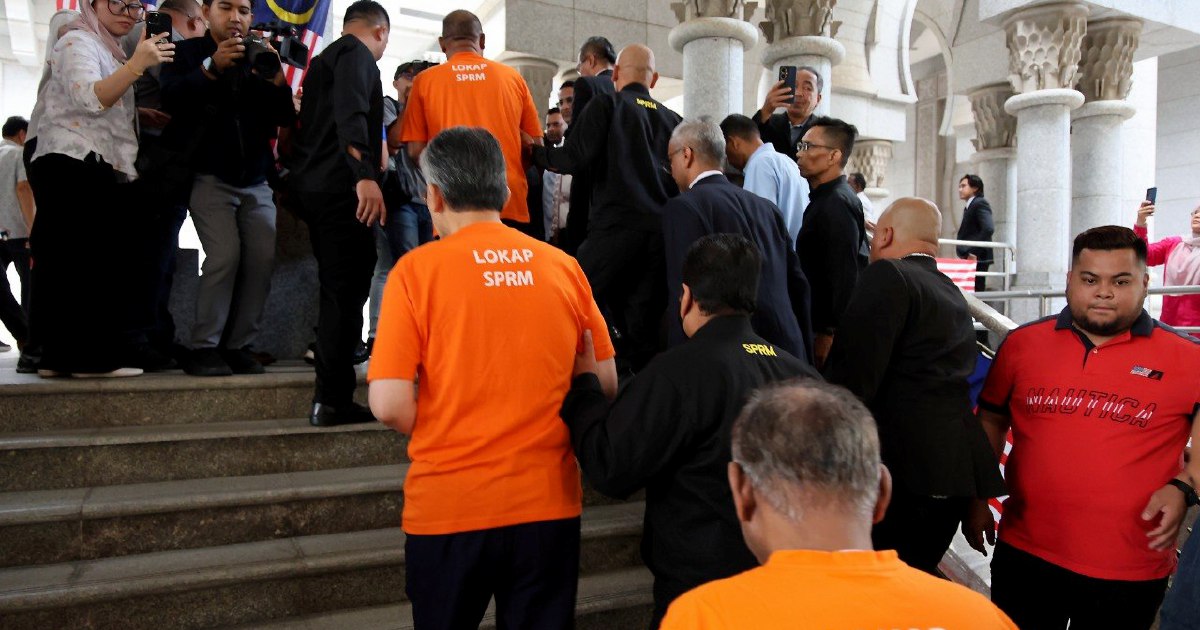
A former chairman of Lembaga Tabung Haji and a former Treasury secretary-general presented themselves at Putrajaya magistrates' court for a remand hearing, marking the latest development in what appears to be a widening probe into financial governance at one of Malaysia's largest Islamic institutions.
The appearance of both officials underscores the scale and seriousness of the investigation, which has now extended into the upper echelons of both the religious pilgrimage fund and the Treasury bureaucracy. Tabung Haji, which manages savings and investments for Malaysian Muslims preparing for the hajj pilgrimage, has been at the centre of considerable scrutiny in recent years following revelations about its financial management and investment strategies.
Remand hearings in Malaysia typically occur when authorities seek extended custody to continue questioning suspects or when prosecutors need time to prepare charges. The involvement of such senior-level figures signals that investigators are examining potential governance failures or irregularities at the institutional level rather than isolated incidents. The Treasury official's appearance is particularly significant, as it suggests the investigation may encompass broader questions about government oversight and financial controls.
Tabung Haji has faced mounting pressure to address transparency concerns and restore public confidence among the millions of Malaysian Muslims who depend on the fund for their pilgrimage savings. The organisation manages approximately RM70 billion in assets and serves over 10 million members, making any governance issues a matter of public concern. Previous controversies have included questions about investment losses, management fees, and the fund's investment diversification strategy.
The investigation appears to be part of Malaysia's broader anti-corruption framework, with authorities increasingly willing to pursue high-ranking officials regardless of their current status. The appearance of a former Treasury secretary-general is noteworthy because the Treasury plays a crucial oversight role in government financial management and public sector accountability. Any lapses or irregularities at this level could have implications beyond a single institution.
Remand proceedings in Malaysian courts are conducted in phases, with magistrates determining whether authorities have sufficient grounds to hold suspects while investigations proceed. These hearings often involve closed sessions where prosecutors present evidence to justify continued detention. The duration of remand can range from a few days to several weeks, depending on the complexity of the case and the court's assessment of investigative needs.
The involvement of these two officials raises broader questions about governance structures within Malaysia's Islamic institutions and government finance sector. Observers have noted that Tabung Haji operates in a unique space, combining religious purpose with significant financial heft, which creates complex accountability challenges. The organisation answers to multiple stakeholders including pilgrims, the government, and the Islamic religious establishment, sometimes creating unclear lines of responsibility.
The investigation's scope will likely determine whether charges eventually focus on specific actions or involve more systemic failures in oversight. Malaysian authorities have shown increasing willingness to pursue complex financial cases involving multiple institutions and officials, suggesting that investigators may be building a comprehensive picture of how decisions were made and approved at various levels.
For Malaysian investors and pilgrims who have entrusted their savings to Tabung Haji, the ongoing investigation creates uncertainty, though the fund continues its normal operations. The question of how governance failures occurred and what controls should be strengthened going forward will become increasingly important as the investigation progresses and details emerge through court proceedings.
The remand hearing represents a critical juncture in the investigation, determining how much longer authorities can detain and question the officials without formal charges. The court's decision will provide insight into the complexity of the case and the amount of additional investigative work prosecutors believe is necessary. Given the seniority of the individuals involved and the size of the institution under scrutiny, the investigation is likely to continue attracting significant public and regulatory attention as it unfolds.

