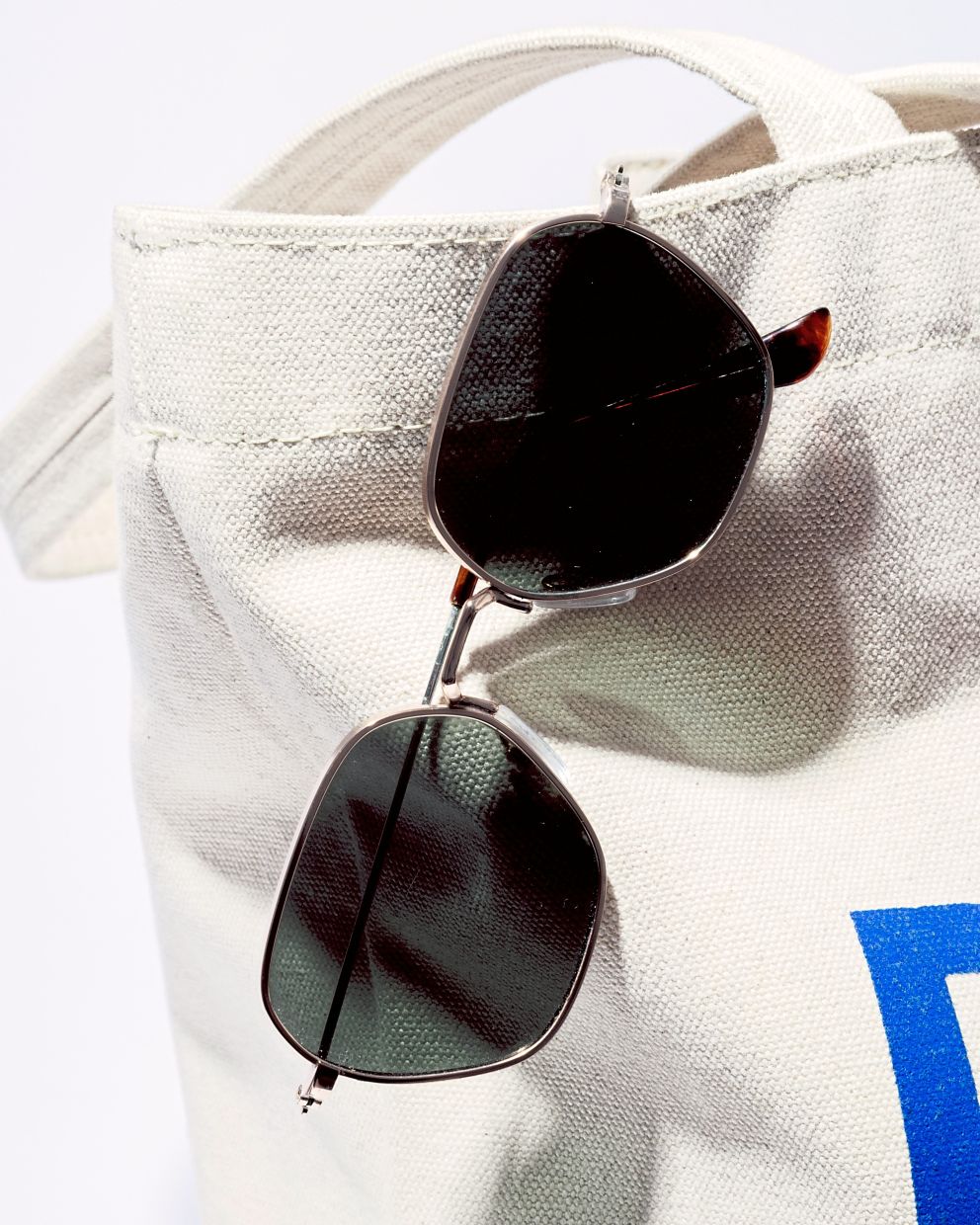
The debate over sunglasses seems straightforward at first glance, yet medical consensus is unequivocal: protecting your eyes from the sun's rays represents a non-negotiable aspect of personal health. According to specialists at leading institutions, the comparison is apt and illuminating—sunglasses function essentially as sunscreen specifically designed for ocular health. Beyond the surface-level cosmetic appeal, these protective lenses defend the delicate tissues surrounding the eyes, the eyelid skin, and the eye's anterior structures. For residents of Malaysia and the broader Southeast Asian region, where tropical sunlight is intense and year-round, understanding these protective measures becomes particularly pertinent.
The sun's electromagnetic spectrum includes three varieties of ultraviolet radiation, though only two manage to penetrate Earth's protective atmospheric layers. While both UVA and UVB radiation persist regardless of visible cloud cover, UVB is currently understood to pose greater threats to ocular tissue. Their constant presence means exposure accumulates progressively throughout life, regardless of whether conditions appear overcast or brilliantly sunny. This persistent exposure carries real consequences that extend far beyond temporary discomfort or visual glare.
One primary concern involves cataracts, a progressive clouding of the eye's lens caused by protein accumulation. Although natural ageing inevitably contributes to cataract development in many individuals, ultraviolet radiation significantly accelerates this timeline, potentially robbing people of years of clear vision. Beyond cataracts, sustained UV exposure exacerbates age-related macular degeneration, a degenerative condition affecting central vision that ultimately causes irreversible sight loss. For those approaching middle age, this cumulative risk demands serious consideration, particularly in regions where sun exposure reaches levels rarely experienced in temperate climates.
Two distinct benign growths represent additional hazards. Pinguecula appears as a yellowish prominence on the eye's white surface, typically causing minor discomfort without visually significant consequences. Pterygium, conversely, represents a more troubling condition where abnormal tissue progressively invades the cornea itself. When sufficiently advanced, this encroachment can distort vision and occasionally necessitate surgical intervention to restore functional clarity. Both conditions develop preferentially in populations with sustained outdoor exposure, making them particularly relevant concerns for Malaysian workers, farmers, and outdoor enthusiasts.
The vulnerability extends beyond the eyeball itself. The delicate eyelid skin represents a surprisingly common site for skin cancer development, accounting for approximately five to ten percent of all cutaneous malignancies in Western populations—a figure likely mirrored in tropical regions where sun intensity exceeds that of temperate zones. The ocular region contains numerous cell types, each capable of malignant transformation when subjected to excessive ultraviolet bombardment. This anatomical diversity means that practically any tissue component can develop cancerous change under sufficient UV stress.
For individuals already wearing prescription eyeglasses, the question becomes whether additional tinted sunglasses are genuinely necessary. Modern prescription lenses, typically manufactured from polycarbonate material, incorporate ultraviolet protection as a standard manufacturing feature. Most reputable optical retailers integrate this protection routinely into clear lenses at no additional cost. Even traditional non-polycarbonate materials typically receive special coatings providing comparable UV barriers. This reality means many spectacle wearers already possess substantially more protection than previously assumed. However, verification remains prudent—optical professionals can test existing glasses to confirm adequate protection levels.
The question of necessity ultimately hinges on individual circumstances and tolerance. Pure brightness alone, unaccompanied by UV exposure, does not independently elevate cancer risk or promote abnormal ocular growths. However, excessive visible light triggers uncomfortable consequences including eye fatigue, surface dryness, headaches, and generalized visual strain. Tinted lenses mitigate these symptoms by reducing incoming visible light intensity. For those experiencing discomfort from bright conditions, tinted protection provides genuine relief. For others maintaining comfortable vision despite brightness, the primary motivation shifts toward preventing cumulative UV damage rather than addressing immediate symptoms.
When shopping for protective eyewear, consumers should prioritize labeling indicating either "UV400" or "100% UVA/UVB protection"—terminology that, while appearing distinct, represents essentially equivalent protective standards. In developed markets, regulatory agencies enforce claims regarding ultraviolet protection, making authentic labeling reliable guides to actual protection levels. Southeast Asian consumers should exercise particular caution with extremely inexpensive sunglasses, especially those obtained from informal street vendors. Paradoxically, dark lenses lacking authentic UV protection can inflict greater damage than unprotected eyes, as the darkened lenses trigger pupil dilation, allowing intensified direct UV penetration straight toward the retina. This mechanism transforms inadequate sunglasses into vectors for accelerated eye damage.
Comprehensive eye protection extends beyond eyewear alone. Medical specialists consistently recommend combining sunglasses with broad-brimmed hats and facial sunscreen to establish comprehensive UV barriers. These complementary measures address the substantial portions of facial skin and ocular regions that spectacles inevitably leave exposed. For individuals anticipating extended outdoor periods—particularly common in Malaysia's workplace and recreational contexts—this multi-layered approach provides substantially superior protection compared to reliance upon eyewear exclusively.
The practical decision regarding daily sunglasses use ultimately rests upon individual preference balanced against health priorities, provided that fundamental protective principles remain honored. Medical consensus permits flexibility regarding whether individuals maintain dual pairs of eyeglasses or choose single protective lenses, so long as UV blocking remains consistent. The overarching principle remains inviolable: while sunlight and outdoor exposure represent essential components of healthy living, permitting unprotected ultraviolet radiation direct access to the eye's sensitive structures represents an entirely preventable risk. For tropical residents like Malaysians, where solar intensity substantially exceeds global averages, this protection transforms from optional health measure into practical necessity worthy of regular consideration and consistent implementation.

