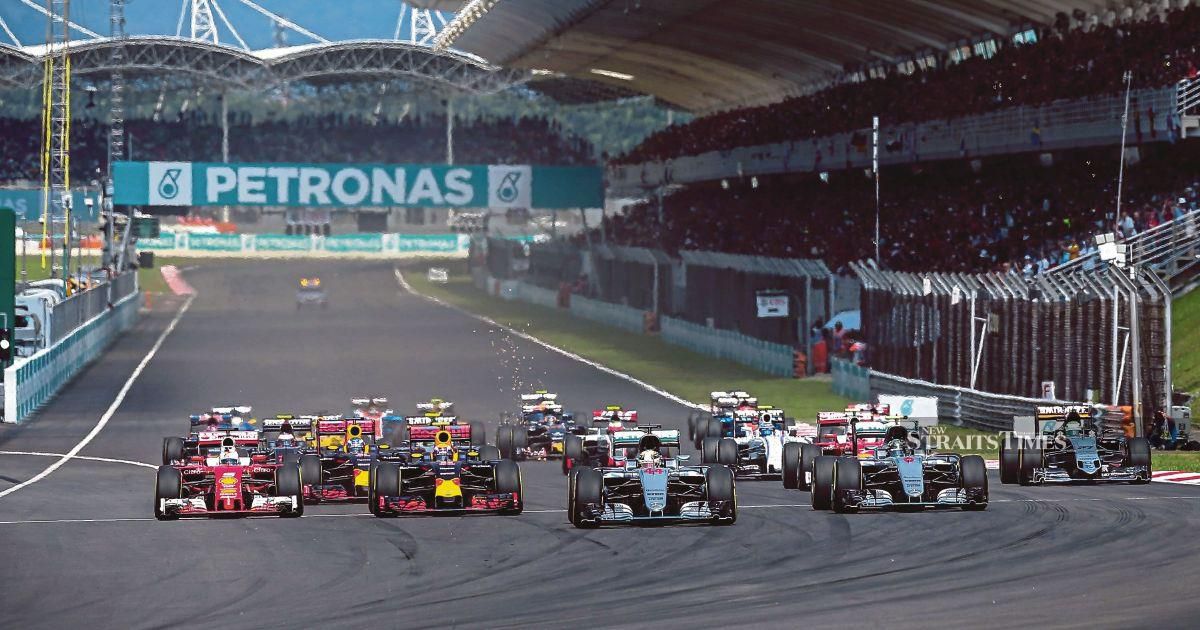
Prime Minister Datuk Seri Anwar Ibrahim has unveiled a ticket initiative designed to make the Formula 1 Grand Prix more accessible to everyday Malaysians when the world's premier motorsport series returns to Sepang International Circuit in October. The Madani tickets, priced from RM200, represent a significant reduction from standard pricing and reflect the government's commitment to ensuring that cost does not become a barrier for local fans wishing to attend one of motorsport's most prestigious events.
The initiative represents a deliberate policy choice to democratise access to international sporting spectacles. By pegging entry-level tickets at RM200, the government has effectively positioned the Sepang F1 round as more affordable than many comparable international races, making it feasible for middle-income Malaysian families and younger enthusiasts to experience the event firsthand. This pricing strategy acknowledges that while Formula 1 commands enormous global audiences through television, the tangible experience of witnessing the sport live—the roar of engines, the speed of vehicles navigating corners at the absolute limits of physics, and the atmosphere within a packed circuit—holds transformative appeal for spectators.
Sepang International Circuit has established itself as a capable host venue for Formula 1, having regularly featured on the championship calendar since 1999. The track's modern facilities, accessibility from Kuala Lumpur, and established infrastructure provide the necessary foundation for delivering a world-class racing experience. The October timing slots the Malaysian Grand Prix into the latter stages of the F1 season, when championship contests typically reach their most compelling phase, potentially enhancing the competitive drama that unfolds on track.
For Malaysia, hosting Formula 1 carries significance that extends well beyond motorsport entertainment. The event generates substantial economic activity through hospitality, tourism, and service sectors, drawing international visitors who spend on accommodation, dining, and retail. Reducing ticket prices, particularly for the most affordable categories, paradoxically supports this economic benefit by converting price-sensitive domestic audiences into attendees who then engage in ancillary spending throughout the event weekend.
The Madani initiative also carries symbolic weight within the government's broader policy framework. The term itself references the administration's stated philosophy of inclusive development and shared prosperity. By explicitly branding subsidised tickets as Madani tickets, the government creates a direct association between accessibility to premium global experiences and its governing mandate. This framing reinforces messaging that technological advancement, international standing, and domestic economic benefits should not be concentrated among elites but distributed across Malaysian society.
Regionally, the Malaysian Grand Prix positions Southeast Asia within the global F1 calendar alongside established Asian venues such as Singapore and Japan. The October slot provides continuity in the region's motorsport profile and offers fans throughout Southeast Asia an accessible alternative to other championship rounds. Malaysian attendance and engagement with the sport creates a virtuous cycle where local interest translates to stronger commercial terms for future hosting arrangements.
Ticket accessibility strategies intersect with ongoing debates about public subsidy for major sporting events. While critics might question whether government resources devoted to ticket subsidies constitute appropriate expenditure, proponents argue that democratising access to transformative cultural and sporting experiences represents legitimate public investment. The rubric of value-for-money shifts when considering outcomes beyond mere accounting—the creation of lifelong motorsport enthusiasts, intergenerational bonding through shared experiences, and the cultivation of Malaysia's international sporting reputation all constitute measurable if intangible returns.
The RM200 entry point does not preclude the existence of substantially higher-priced seating categories offering premium vantage points, exclusive facilities, and hospitality services. This tiered pricing structure allows the circuit to capture value from consumers across the spending spectrum while ensuring that price-conscious attendees secure meaningful access. Such segmentation has become standard practice at major sporting venues globally and enables organisers to maximise revenue while expanding audience reach.
For Malaysian motorsport enthusiasts, particularly younger audiences who may never have attended a Formula 1 event, the Madani ticket scheme presents a gateway opportunity. Exposure to professional motorsport at the highest level frequently catalyses interest in lower-tier racing series, driving school activities, and automotive culture more broadly. Building this pipeline of domestic interest strengthens Malaysia's motorsport ecosystem and potentially generates future talent pipelines into professional racing careers.
The October Grand Prix represents Malaysia's opportunity to showcase both its sporting infrastructure and its commitment to making premium international experiences available beyond traditional elite circles. As other nations increasingly compete for Formula 1 hosting rights, demonstrating strong domestic engagement, coupled with delivering accessible ticketing models, positions Sepang advantageously within the championship's strategic calculations. The Madani tickets thus function simultaneously as consumer incentive, economic stimulus tool, and statement about Malaysian values regarding equitable access to extraordinary experiences.

