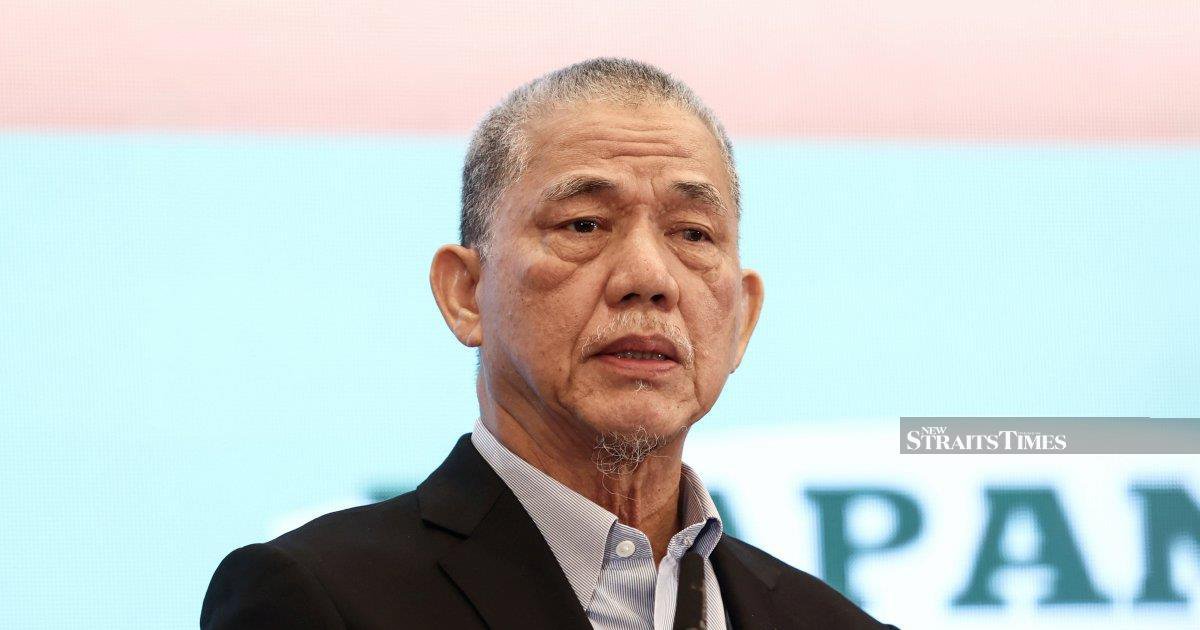
Deputy Prime Minister Datuk Seri Fadillah Yusof is on track with his recovery following a successful coronary artery bypass grafting procedure performed at the National Heart Institute on August 12. Medical assessments since the surgery indicate that the high-ranking cabinet minister is progressing as expected through the post-operative period, with his condition described as favourable by those monitoring his care.
The procedure at IJN, Malaysia's premier cardiac care facility, addressed blockages in the coronary arteries that supply blood to the heart muscle. Coronary artery bypass grafting remains one of the most established surgical interventions for severe coronary artery disease, particularly when arterial blockages cannot be adequately treated through less invasive methods such as angioplasty or stent placement. The surgery involves grafting healthy blood vessels from other parts of the body to bypass the obstructed sections of coronary arteries, restoring adequate blood flow to the heart.
Fadillah's medical situation underscores the cardiovascular health challenges that increasingly affect senior Malaysian leaders and the broader adult population across Southeast Asia. Coronary artery disease represents a significant public health concern in the region, driven by rising prevalence of diabetes, hypertension, obesity, and lifestyle factors associated with rapid urbanisation. The deployment of advanced surgical techniques at domestic facilities like IJN demonstrates Malaysia's capability to provide world-class cardiac interventions, reducing the need for high-ranking officials and citizens to seek treatment abroad.
The Deputy Prime Minister's position within Malaysia's governance framework means his health status carries implications beyond personal wellbeing. As second-in-command, Fadillah assumes critical responsibilities across multiple government functions and policy areas. His temporary absence from full duties during recovery necessitates careful management of ministerial portfolios and cabinet responsibilities to ensure continuity in government operations. The cabinet system typically distributes such temporary workload adjustments among senior ministers to maintain administrative effectiveness.
Recovery from coronary artery bypass surgery typically involves a structured rehabilitation timeline. Most patients require several weeks before resuming regular professional duties, with the intensity of activity gradually increasing as cardiac function stabilises and surgical wound healing progresses. Physiotherapy, monitored exercise regimens, and lifestyle modifications form essential components of post-operative care, helping patients rebuild cardiovascular strength and reduce future cardiac risk. Fadillah's medical team at IJN would oversee personalised rehabilitation protocols tailored to his specific surgical outcome and pre-existing health profile.
The prominence of Fadillah's case highlights the importance of early detection and intervention in coronary artery disease management. Many individuals experience significant arterial narrowing without obvious symptoms until a major cardiac event occurs. The Deputy Prime Minister's decision to undergo preventive surgical intervention demonstrates how thorough medical monitoring at senior levels of government can identify and address serious cardiovascular conditions before they escalate into life-threatening emergencies. This approach aligns with international best practices for managing high-risk cardiac patients.
IJN's involvement in treating a cabinet-level patient reflects the institution's status as a nationally preferred cardiac centre. The institute combines advanced diagnostic equipment, experienced surgical teams, and comprehensive post-operative care facilities necessary for managing complex coronary cases. Malaysia's development of domestic expertise in cardiac surgery has reduced historical dependence on foreign medical centres for treating serious heart conditions, while simultaneously improving accessibility for the broader population seeking specialised cardiac care.
Fadillah's recovery trajectory will likely influence public discourse around cardiovascular health awareness in Malaysia. High-profile cases involving government figures often increase community interest in preventive cardiac screening and healthy lifestyle choices. The successful outcome of his surgery may encourage other Malaysians at cardiac risk to seek timely medical evaluation rather than delaying intervention until conditions become critical. Public health messaging following such cases can contribute meaningfully to broader prevention initiatives.
The Deputy Prime Minister's medical situation also reflects the evolving health demographics affecting Malaysian political leadership. Several senior government figures in recent years have managed serious health conditions while remaining active in governance roles, highlighting the compatibility of modern medical management with demanding professional responsibilities. The availability of advanced surgical techniques and post-operative care enables leaders to address acute health challenges without necessarily requiring extended absences from government functions.
Looking ahead, Fadillah's return to full ministerial capacity will proceed according to medical clearance and individual capability assessment. His medical team will establish specific milestones for progressively resuming responsibilities, ensuring that cardiovascular demands align with his improving fitness level. The gradual reintegration into full duties represents standard practice following bypass surgery, allowing the heart to adapt to increasing functional demands while minimising strain during the critical early recovery phase.

