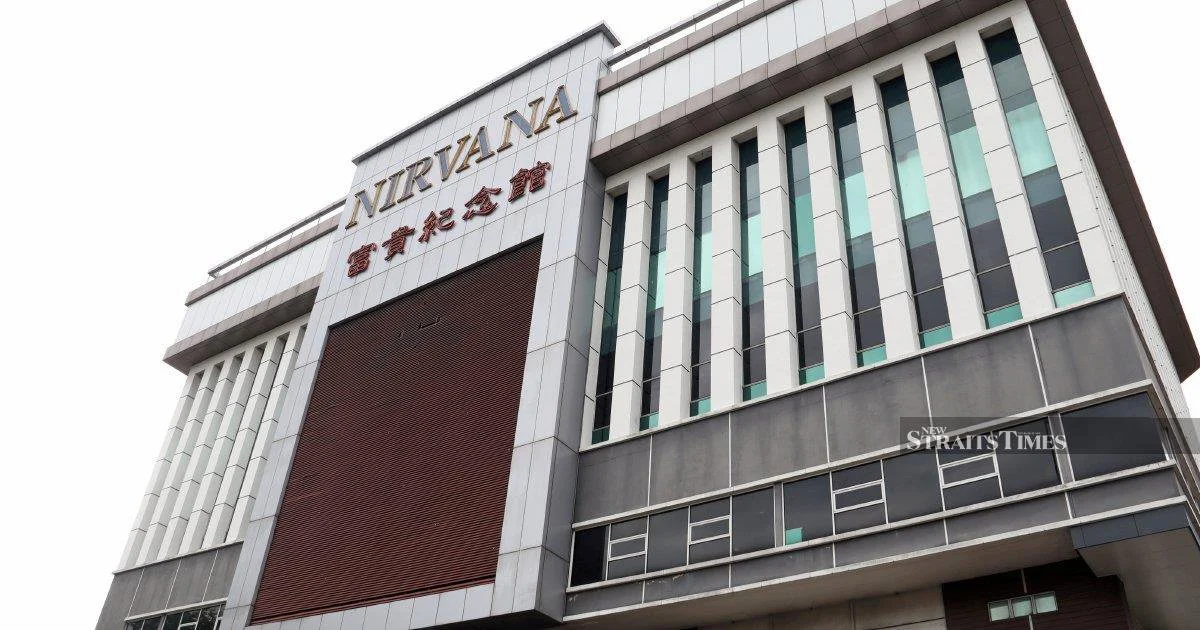
A family in the Klang Valley has launched a legal battle against Nirvana Memorial Park (Shah Alam) Sdn Bhd, accusing the funeral services provider of negligence following the disappearance of two urns containing their parents' cremated remains from the facility's columbarium facility in January. The lawsuit marks a significant development in what appears to be a breach of trust at one of Selangor's prominent memorial venues, raising broader questions about security protocols and operational oversight at such establishments throughout Malaysia.
The incident represents more than a simple property loss. For grieving families, columbaria serve as sacred spaces where they can honour deceased loved ones, maintain spiritual connections, and fulfil religious and cultural obligations. The alleged theft strikes at the heart of these meaningful practices, violating the sanctity that families expect when entrusting their relatives' final remains to professional custodians. The emotional and psychological impact on the family extends far beyond the material value of the urns themselves, touching on fundamental issues of respect, dignity, and proper handling of the deceased.
Memorial parks and crematorium services operate under an implicit contract of care with families. They are expected to maintain secure facilities, implement robust inventory systems, and ensure that the columbarium—where cremated remains are stored—remains protected from unauthorised access and theft. The allegations against Nirvana Memorial Park suggest potential lapses in security measures, staff training, or administrative procedures that allowed such a loss to occur. These operational failures, if substantiated, could constitute actionable negligence under Malaysian law.
The timing of the theft in January amplifies concerns about whether the facility experienced capacity issues during peak funeral season, when increased activity might have overwhelmed existing security protocols. Malaysian families typically conduct funeral rites and religious observances within specific timeframes following death, meaning January may have seen heightened traffic through the columbarium. If the facility struggled to maintain proper oversight during this busy period, it raises questions about resource allocation and whether management had adequately prepared for seasonal demand fluctuations.
This case carries implications for the broader funeral and memorial services industry in Malaysia. As urbanisation continues and traditional burial grounds face space constraints, more families opt for cremation and columbarium placement, particularly in urban centres like the Klang Valley. The growing reliance on these facilities creates a corresponding responsibility for operators to maintain professional standards. An adverse judgment could prompt regulatory reviews and potentially lead to stricter licensing requirements for memorial parks across the nation.
The family's decision to pursue legal recourse through the courts suggests they may have exhausted other avenues for resolution with the memorial park. Their complaint specifically centres on negligence—a legal concept that requires demonstrating that the defendant owed a duty of care, breached that duty, and caused measurable harm. In cases involving cremated remains, Malaysian courts typically recognise the deep emotional and spiritual significance of such losses, potentially supporting claims for damages beyond simple replacement value.
Security at columbaria typically involves multiple layers of protection: locked facilities with restricted access, CCTV monitoring, staff presence during operating hours, and comprehensive documentation of stored remains. If Nirvana Memorial Park failed to implement or maintain adequate security measures, this would constitute a breach of the fundamental trust families place in such institutions. The lawsuit may reveal whether the facility had maintained proper insurance coverage, incident reporting procedures, or whether management had previously identified security vulnerabilities.
The incident also highlights the importance of transparency in the funeral industry. Families should receive clear information about how remains are stored, protected, and accessed. They should understand what security measures are in place and what recourse exists if something goes wrong. Many Malaysian families may not realise they have legal options if a memorial park proves negligent, and this case could serve as an important precedent encouraging greater accountability across the sector.
For Nirvana Memorial Park specifically, the lawsuit represents a serious challenge to its reputation and operational credibility. Even if the facility ultimately prevails in court—perhaps demonstrating that theft resulted from sophisticated crime rather than negligence—the reputational damage may persist. Families shopping for columbarium services may gravitate toward competitors perceived as having superior security, and the negative publicity could affect the park's ability to attract new clients during a period when such facilities are in growing demand.
The resolution of this case will likely establish important precedents regarding what level of security families can reasonably expect from memorial parks in Malaysia. Should the family succeed, operators nationwide may face increased pressure to upgrade facilities, implement modern surveillance systems, and strengthen staff training protocols. Conversely, if the court finds the park had reasonable security measures that were circumvented through exceptional circumstances, this would also send a message to the industry about acceptable baseline standards.
Beyond the immediate legal outcome, this case underscores the need for families to take an active role in documenting their arrangements with memorial parks, understanding security protocols, and maintaining their own records. Many families keep photographs or documentation of urns and placement locations, which can prove invaluable if disputes arise. As the funeral services sector grows increasingly commercialised, consumer awareness becomes essential.
The case will be closely watched by consumer advocacy groups, funeral industry associations, and families who depend on memorial parks throughout Malaysia. It represents a broader conversation about accountability, professionalism, and the standards families should expect when honouring their deceased. Whether through court judgment or out-of-court settlement, the resolution should ideally lead to meaningful improvements in how such facilities operate across the country.

