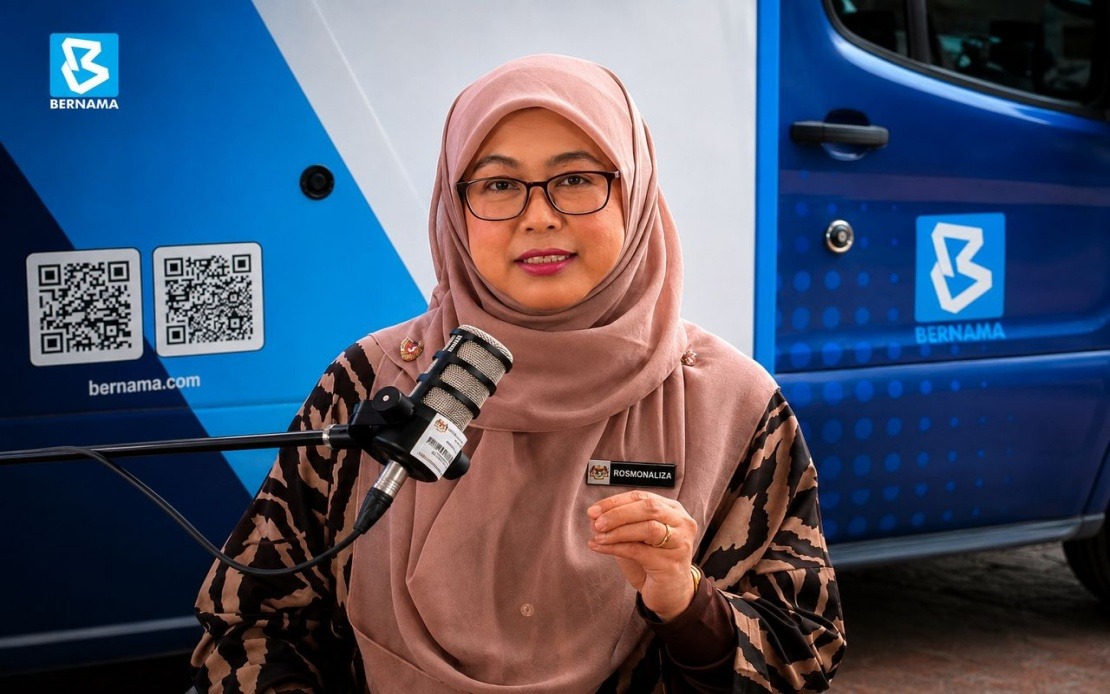
The modern Malaysian family requires fathers to step beyond their traditional identity as breadwinners and assume responsibilities that span emotional guidance, open communication and direct involvement in their children's schooling, according to officials at the National Population and Family Development Board. Speaking on the KASIH Lensa Keluarga podcast, the board's Family Well-being Division director Rosmonaliza Abdul Ghani emphasised that contemporary lifestyles and social structures demand a fundamental recalibration of paternal roles. The shift reflects broader recognition that children's psychological health and academic success depend on fathers being actively present and emotionally engaged, not merely financially responsible.
Rosmonaliza framed fatherhood as a transformative social responsibility, positioning fathers as agents of change capable of constructing families that withstand social pressures and internal conflicts. This reconceptualisation moves beyond the industrial-era model where male participation ended at the factory gate. Instead, modern fathering requires sustained dialogue with children, responsiveness to their emotional needs, and collaborative engagement with educational institutions. The board's perspective acknowledges that absent or emotionally withdrawn fathers leave a void that no amount of material provision can fill, a reality increasingly borne out by research into adolescent psychology and social development.
One significant finding highlighted during the discussion was the growing willingness among Malaysian men to seek professional mental health support. Rather than internalising stress—a traditional response rooted in masculinity expectations—an increasing proportion of fathers are consulting counsellors and participating in joint family therapy sessions with their partners and children. This cultural shift suggests that pathways to destigmatise male vulnerability in Malaysia are gradually opening, though considerable resistance persists. The willingness to seek help represents a practical acknowledgement that fathering itself presents unique challenges, from financial anxiety to identity conflicts, which benefit from professional intervention.
LPPKN has developed a comprehensive suite of support services designed to meet fathers where they struggle most. These include individual counselling addressing financial strain, mental health interventions tackling depression and anxiety, personality assessments to facilitate self-awareness, and structured family therapy. By offering these services under a framework of non-judgement and confidentiality, the board attempts to create psychological safety for men who might otherwise suffer in silence. The availability of these resources reflects institutional recognition that father-centred social problems require father-centred solutions.
The podcast also drew on frontline experience with marginalised communities. One contributor, identified as Abbe, brought perspective from work with urban poor families and street children, where paternal absence or dysfunction emerges as a root cause of cascading social pathology. Drug addiction among household heads, compounded by economic desperation, corrodes family cohesion and propels children into survival strategies that include substance abuse, petty crime, and sexual exploitation. Rather than view such fathers punitively, Abbe advocated for compassionate outreach rooted in religious and cultural values. This approach recognises that shaming or punishing struggling fathers typically deepens their alienation and accelerates family breakdown rather than facilitating recovery.
The emphasis on compassion over punishment reflects an important philosophical stance within Malaysia's family policy landscape. Men experiencing shame about job loss, addiction, or emotional incapacity often respond by withdrawing further from family life, seeking numbing through substances, or becoming authoritarian and abusive in misguided assertions of control. Intervention strategies must therefore lower barriers to engagement rather than raise them. Religious frameworks and community-based support can reframe struggling fatherhood as a temporary setback requiring community support rather than personal failure warranting isolation.
Rosmonaliza stressed the reciprocal nature of family emotional health, particularly the sustaining role spouses and children can play in helping fathers navigate adversity. When fathers feel genuinely appreciated and valued by their families—beyond their earning capacity—they develop psychological resilience against the constant pressures of adult life. Conversely, children who witness their fathers' struggles with compassion rather than contempt develop emotional maturity and realistic expectations about human limitation. Family members who actively acknowledge paternal sacrifices, even quietly made ones, strengthen the emotional bonds that prevent isolation and despair.
Quality time emerged as a counterpoint to material provision throughout the discussion. Rosmonaliza noted that children repeatedly report valuing their father's presence and attentiveness far above consumer goods or financial security. This insight challenges the assumption that breadwinning constitutes sufficient paternal contribution. A father who works long hours to provide a comfortable home but remains emotionally unavailable or distracted delivers a mixed message about his priorities and his assessment of his children's deepest needs. Conversely, a father who is present, engaged, and emotionally responsive—even within modest material circumstances—provides children with the psychological anchoring they require for healthy development.
The timing of this public conversation reflects Malaysia's evolving family landscape. Rising female workforce participation, changing educational expectations, and urbanisation have all reshaped what families actually require from fathers. The agricultural and industrial economies that fostered breadwinner-only models have given way to knowledge economies where parental involvement in education becomes economically strategic. Simultaneously, rising mental health awareness has elevated emotional nurturing from optional to essential. These structural changes create both opportunity and obligation for Malaysian fathers to reimagine their role.
For policymakers and social workers, the LPPKN messaging carries practical implications. Family intervention programmes must explicitly include father engagement rather than treating men as peripheral. Schools can cultivate paternal involvement by scheduling conferences and events at times accessible to working fathers and explicitly valuing their participation. Healthcare providers can normalise men's mental health concerns by proactively offering screening and referral. Community organisations can create peer support networks where fathers discuss challenges without experiencing judgement.
The broader context of this discussion includes Malaysia's diverse family structures and evolving gender roles. As more women pursue higher education and professional careers, partnership models within families shift necessarily. Fathers increasingly navigate expectations that they contribute substantively to childcare and household management alongside income generation. These shifts generate stress and identity confusion for men socialised under traditional frameworks. Institutional support acknowledging these tensions can facilitate rather difficult personal transitions.
Ultimately, LPPKN's advocacy reflects a sophisticated understanding that family resilience depends on all adult members functioning healthily. Fathers are neither villains to be circumvented nor optional participants in family life. They are essential figures whose struggles deserve attention and whose contributions require recognition. By positioning fatherhood as a learnable skill set—communication, emotional regulation, educational engagement—that benefits from support and development, Malaysian policymakers signal that family improvement is achievable through deliberate, sustained effort rather than individual blame. This reframing holds potential to strengthen not just individual families but the social fabric more broadly.

