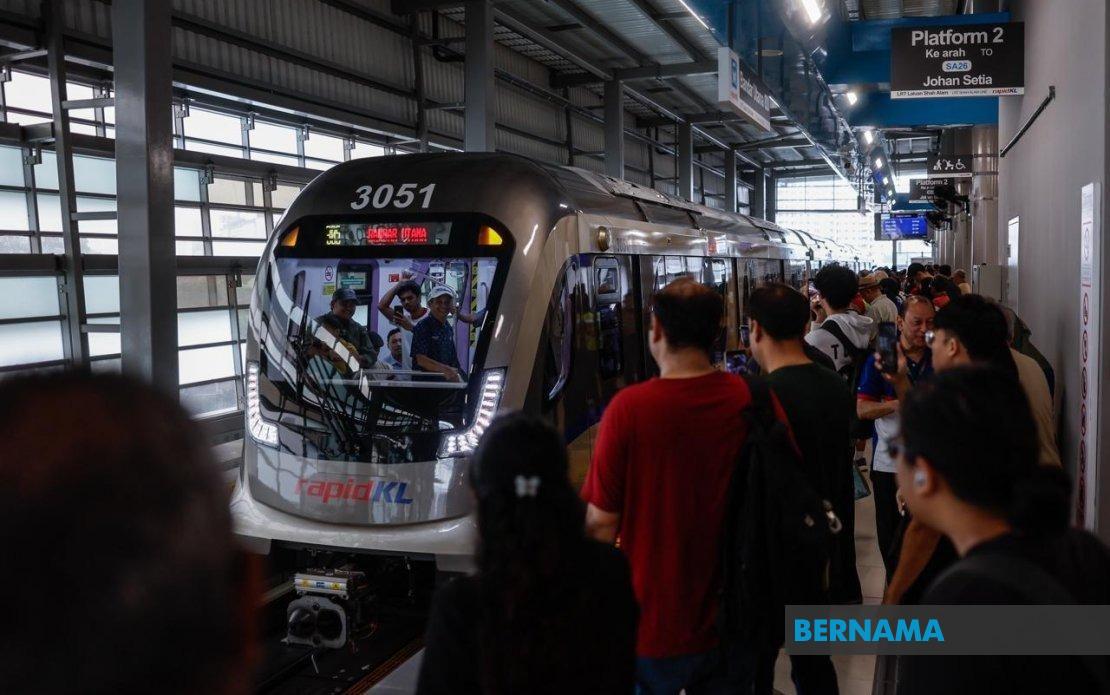
Public transport operator Rapid KL has concluded that a malfunctioning component on one of its trains triggered an electrical incident on the LRT3 Shah Alam Line at Shah Alam Stadium Station on July 4. The faulty part came into contact with the overhead power conductor, causing a visible spark display and an audible explosive sound that alarmed commuters using the busy station. Despite the dramatic nature of the event, the operator confirmed that no injuries occurred and regular service was restored without significant disruption to the evening's operations.
The incident unfolded at 7.05 pm when the train's defective component made unexpected contact with the electrical conductor running above the track. This contact created the characteristic sparks and noise associated with electrical arcing, but the train's safety systems functioned properly to prevent any escalation of the problem. Passengers aboard the affected train were swiftly removed from service at the subsequent station, where they were transferred to another unit to continue their journeys. This rapid response protocol ensured minimal passenger inconvenience despite the technical emergency.
Following the incident, the train was immediately withdrawn from the active fleet and transported to Rapid KL's maintenance depot for comprehensive examination. Technicians conducted a detailed inspection focusing on the specific component that had malfunctioned. Once engineers identified the faulty part and confirmed the nature of the defect, the affected component was removed and replaced with a functional unit. This targeted maintenance approach allowed the operator to return the train to service without unnecessary delays.
Rapid KL subjected the train to rigorous testing and verification procedures before clearing it for return to regular operations. The operator's engineering team confirmed through systematic inspection that the newly fitted component and all other safety-critical systems were functioning within acceptable parameters. The train was ultimately approved for service following these confirmatory checks. This methodical approach to safety clearance reflects the operator's commitment to ensuring that only trains meeting strict technical standards carry passengers on the network.
Beyond addressing the immediate problem, Rapid KL initiated a broader precautionary inspection programme across its fleet. The operator conducted additional examinations of comparable trains to detect any similar defects that might be present in other units. This proactive stance demonstrates awareness that a component failure on one train could indicate a systemic issue requiring investigation across multiple vehicles. By widening the scope of inspections, the operator sought to prevent recurrence of similar incidents elsewhere in the network.
The incident underscores the technical complexity of operating a modern rail rapid transit system and the importance of robust maintenance protocols. The LRT3 Shah Alam Line, which began operations in 2016 and connects major residential and commercial nodes in the Klang Valley, depends on thousands of precision components functioning reliably. A single malfunctioning part, though caught and corrected in this instance, illustrates how vigilant oversight is essential for continuous safe operations. The electrical systems that power the trains operate under high voltage and demand rigorous quality control to prevent hazardous conditions.
Passenger safety emerged as the central theme in Rapid KL's statement addressing the incident. The operator emphasized that protecting commuters remains the paramount consideration guiding operational decisions and investment in maintenance infrastructure. This commitment extends beyond immediately addressing failures to implementing preventive measures that catch emerging problems before they escalate into dangerous situations. The comprehensive inspection programme launched in response to the July 4 incident exemplifies this preventive philosophy in practice.
For regular LRT3 users in the Shah Alam corridor and surrounding areas, the incident and its resolution offer reassurance about the operator's incident response capability. The fact that a potentially serious electrical contact was immediately contained, that passengers were safely evacuated and reaccommodated, and that the train underwent thorough examination before return to service demonstrates a functional safety culture. The absence of passenger injuries despite the dramatic nature of the electrical event reflects effective training and emergency procedures among Rapid KL staff.
The incident also highlights the ongoing challenge of maintaining ageing transport infrastructure in Malaysia's rapidly growing urban centres. As the LRT3 line approaches a decade of operation, its components experience cumulative wear that requires increasingly vigilant monitoring. Rapid KL's willingness to conduct comprehensive inspections across its fleet, not merely on the affected train, signals recognition that preventive maintenance investments now are more cost-effective and safer than reactive responses to failures later. For Malaysian commuters depending on rail transit as a backbone of urban mobility, such systematic approach to fleet management contributes to long-term service reliability and safety confidence.

