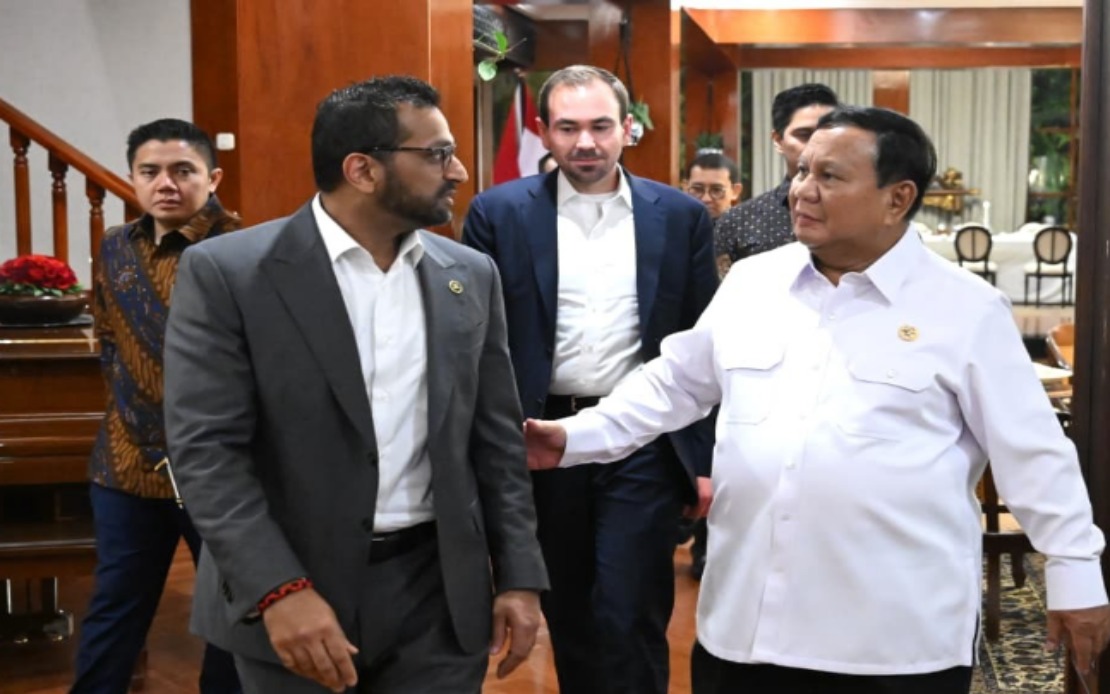
Indonesia has received a significant batch of cultural artefacts from the United States Federal Bureau of Investigation, marking another milestone in the two countries' collaborative effort to recover items of national heritage that have been illegally trafficked abroad. FBI Director Kash Patel delivered the artefacts directly to President Prabowo Subianto during an official visit to the presidential residence in Kertanegara, Jakarta, on Wednesday, underscoring the high-level political importance attached to cultural repatriation efforts in Southeast Asia's largest economy.
Culture Minister Fadli Zon characterised the handover as a concrete demonstration of Indonesia's determination to reclaim its cultural sovereignty and preserve the tangible links connecting modern Indonesians to the heritage of their ancestors. The minister noted that securing the return of these objects involved meticulous provenance research that established their illegal removal to American soil, a methodical process that typically requires international legal expertise and diplomatic coordination. Such investigations frequently reveal complex smuggling networks that operated across borders during periods of political instability or weak enforcement of cultural heritage protections.
The repatriated collection draws from multiple indigenous communities across the Indonesian archipelago, particularly from Papua and surrounding regions. Objects originating from the Dani and Asmat peoples, alongside cultural materials from communities around Lake Sentani, comprise the returned inventory. These materials represent sophisticated artistic traditions developed over centuries, embodying the spiritual beliefs, social structures, and aesthetic values of their respective cultures. The Asmat people, in particular, are renowned for their intricate woodcarving traditions that have attracted international collectors, sometimes through illicit channels that bypass proper documentation and export controls.
Minister Fadli expressed confidence that the cooperation framework between Indonesia and the FBI would expand substantially in coming years, noting that the partnership already encompasses multiple previous recoveries of stolen cultural objects including bronze statues and artefacts removed from significant historical sites across the nation. The involvement of the State Secretariat and Ministry of Foreign Affairs indicates that cultural repatriation has become woven into Indonesia's broader diplomatic strategy, positioning heritage recovery as an element of national identity restoration and soft power projection in international forums.
The decision to house the returned artefacts at Jakarta's National Museum signals Indonesia's commitment to making these cultural treasures accessible to domestic and international audiences rather than sequestering them in restricted collections. Public display serves multiple functions: it educates Indonesian citizens about their own cultural diversity, reinforces national identity narratives, and demonstrates to the global community that Indonesia takes custodianship of its heritage seriously. Museum presentations can contextualise these objects within their original cultural settings, explaining their ceremonial or practical purposes to viewers who might otherwise encounter only aesthetic dimensions of the work.
For Malaysia and other Southeast Asian nations, Indonesia's success in recovering smuggled cultural materials carries instructive implications. The region shares similar vulnerabilities to cultural trafficking, with valuable antiquities and ethnographic objects regularly disappearing into private collections or foreign museums through networks that often exploit porous borders and inconsistent enforcement of heritage protection laws. Indonesia's partnership with American law enforcement suggests a model that other regional nations might seek to replicate, leveraging diplomatic channels and international institutions to trace and recover objects that left their countries of origin through irregular means.
The broader context of cultural repatriation reflects shifting international attitudes toward historical injustices embedded in museum collections worldwide. Western institutions increasingly face pressure from source nations demanding the return of artefacts acquired during colonial periods or through subsequent unauthorised transactions. Indonesia's success in recovering these items through bilateral cooperation with American authorities demonstrates that persistent diplomatic engagement and rigorous documentation can succeed even without formal treaties specifically dedicated to repatriation.
The FBI's involvement in these recoveries reflects American law enforcement's recognition that cultural trafficking constitutes a serious crime warranting investigative resources. International art trafficking generates substantial criminal proceeds and often becomes entangled with other illicit activities, making it a legitimate law enforcement concern. The Bureau's willingness to prioritise these cases and return materials to source nations signals an American commitment to combating cultural crime that extends beyond formal repatriation agreements.
Minister Fadli's emphasis on cultural sovereignty touches upon a fundamental principle that has gained prominence in postcolonial discourse: the idea that nations possess inherent rights to their cultural heritage, and that unauthorised removal constitutes a violation comparable to other forms of theft. This framework rejects earlier justifications for Western acquisition of non-Western artefacts based on arguments about superior preservation or universal access. Indonesia's stance aligns with broader movements across the Global South asserting control over cultural narratives and material expressions of identity.
The practical logistics of repatriation involve navigating complex questions about authenticity verification, legal ownership documentation, and determining appropriate recipients when multiple communities might claim connection to an object. The FBI's role in conducting provenance research addresses these technical challenges, ensuring that returned items genuinely warrant repatriation and that their destination within Indonesia represents appropriate custodianship. Such meticulous procedures, while sometimes appearing to slow the repatriation process, ultimately protect the integrity of both the recovered materials and the international framework supporting cultural restitution.
Indonesia's integrated approach—combining law enforcement cooperation with diplomatic engagement and institutional planning for recovered materials—offers lessons for the region as a whole. As Southeast Asian nations increasingly assert their rights to cultural heritage held abroad, establishing clear protocols for receiving returned artefacts, financing conservation efforts, and creating public access ensures that repatriation succeeds as both a political achievement and a practical restoration of cultural resources to their communities of origin.

