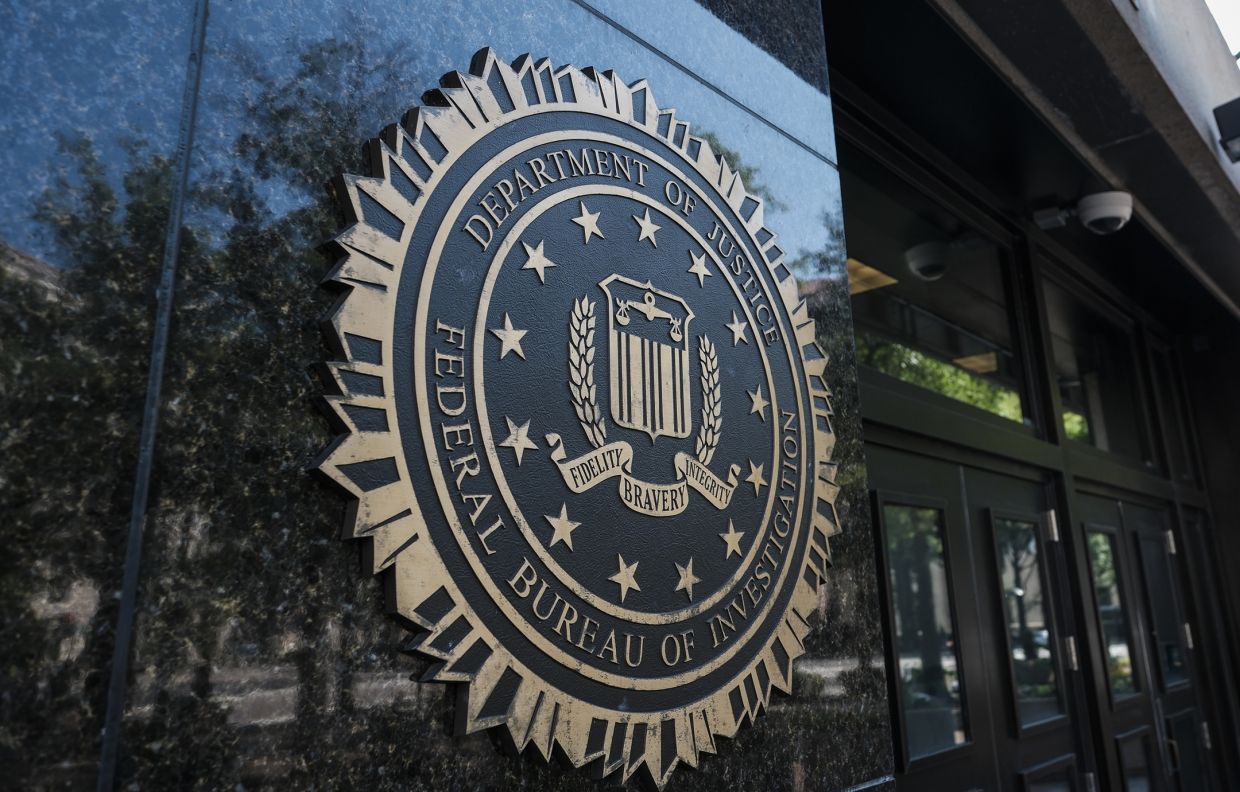
A supervisory agent at the Federal Bureau of Investigation in Washington has been arrested on charges of possessing stolen property following his own confession to misappropriating cryptocurrency from a criminal investigation. Patrick Yaroch approached a Justice Department employee to reveal what he had done, stating that the guilt was weighing heavily on him and he needed to unburden himself by disclosing the misconduct.
Yaroch's admission came after what authorities describe as a period of personal crisis. According to court documents filed in the case, the agent told colleagues that he had been "spinning out of control" and expressed frustration with the Federal Bureau's inability or unwillingness to take action against cryptocurrency accounts he viewed as threatening or adversarial. This apparent sense of institutional helplessness appears to have motivated his decision to take matters into his own hands, ultimately leading to his own downfall.
The cryptocurrency in question was taken from a suspect whose digital assets the FBI had been investigating. During that lawful inquiry, federal authorities obtained the security passphrase needed to access the suspect's cryptocurrency wallet. Yaroch then used this legitimately obtained access credential to make a series of unauthorised withdrawals from the account, conducting between ten and twelve separate transactions over a period spanning from late 2024 through early 2025.
While Yaroch told colleagues he was uncertain about the exact total he had removed because the funds had been commingled with his own personal cryptocurrency holdings, he indicated the sum was less than one million dollars. However, when investigators examined his own digital wallet where the money had been deposited, they discovered approximately one million dollars in assets. This discrepancy between what Yaroch claimed to have taken and what investigators found suggests either imprecision in his recollection or a deliberate attempt to minimise the apparent scale of the theft.
The sequence of events that led to Yaroch's arrest unfolded rapidly over a weekend. Authorities say the agent was cooperating with their inquiries and had indicated his willingness to continue doing so after consulting with a lawyer on August 3. Despite this stated cooperation, FBI leadership made the decision to search his residence and take him into custody before that scheduled meeting could occur. This accelerated timeline raises questions about whether officials feared the agent might attempt to conceal evidence or flee if given additional time.
For Malaysian and Southeast Asian observers, this case illuminates significant vulnerabilities within the institutional frameworks tasked with combating digital financial crime. The incident demonstrates how even law enforcement personnel with direct access to sensitive cryptocurrency accounts and investigation credentials can succumb to temptation when given the technical means and opportunity. It also highlights the complex intersection between digital asset security, investigative procedures, and internal accountability mechanisms.
The timing of Yaroch's disclosures and subsequent apprehension carries particular significance. He volunteered information about his misconduct rather than being discovered through audit or detection mechanisms, suggesting that conscience ultimately prevailed over self-interest. Nevertheless, the speed with which he was arrested before fully engaging with legal representation suggests law enforcement prioritised containment and swift custody over the extended cooperation that Yaroch had offered.
Interestingly, law enforcement disclosed that internet searches conducted by Yaroch revealed his aspirations for financial independence. In May, he had consulted artificial intelligence systems for investment advice regarding one million dollars, specifically framing his goal around retiring by age forty and eventually acquiring a rural lifestyle centred on agricultural pursuits in regions like Cilento in Italy or the Dao wine region in Portugal. This glimpse into his motivations suggests that financial desperation or lifestyle ambition, rather than purely ideological opposition to cryptocurrency, may have driven his actions.
Notably, Yaroch has not yet been formally charged with the actual theft of cryptocurrency itself, despite his apparent acknowledgment of taking the funds. Instead, he faces charges of possessing stolen property, which represents a narrower legal theory. This distinction may reflect the investigative timeline, as authorities moved to apprehend him expeditiously without completing the full investigative framework that would typically precede such charges. The absence of legal representation for Yaroch in court records at the time of reporting suggests he may not have yet secured counsel, potentially complicating his ability to mount a defence or negotiate his legal position.
The case underscores the critical importance of compartmentalising access to sensitive investigative materials and implementing robust oversight mechanisms for law enforcement personnel handling digital assets. For regional cybersecurity and financial crime specialists, Yaroch's situation serves as a cautionary example of how institutional safeguards can be undermined when individuals with legitimate access combine technical capability with personal motivation. The incident will likely prompt reviews of similar access protocols across international law enforcement agencies seeking to prevent comparable breaches of trust and criminal behaviour from within their own ranks.

