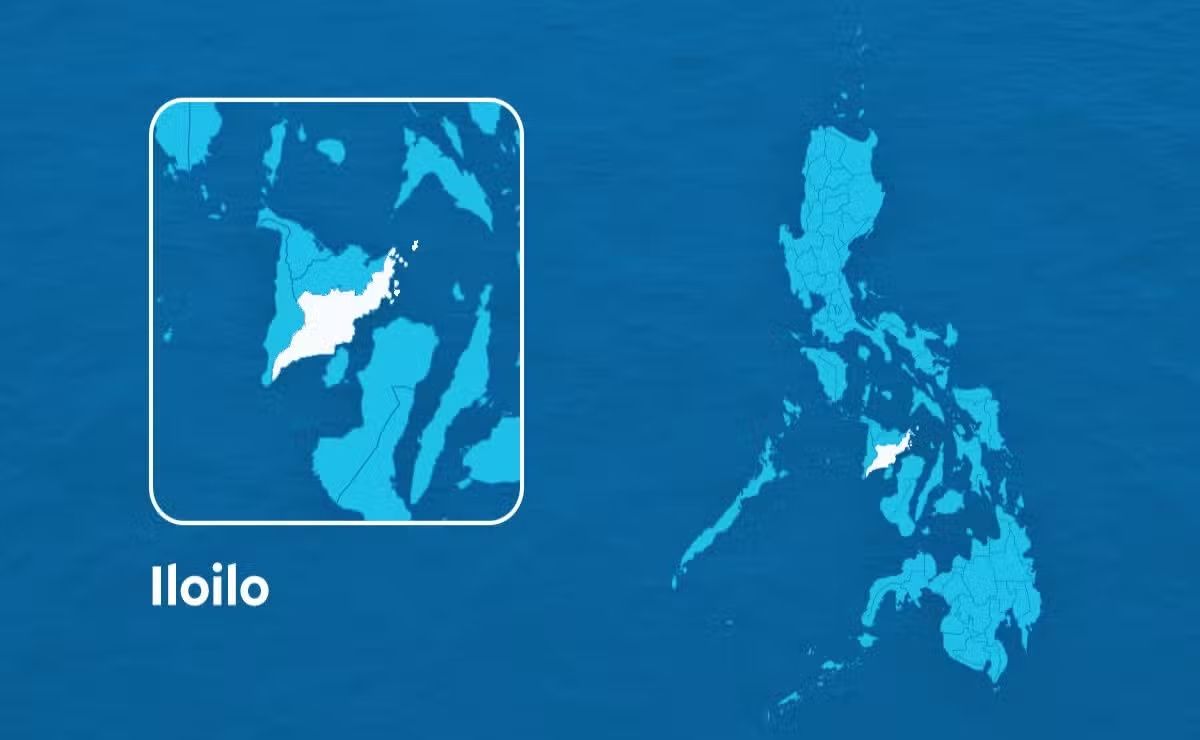
Rey Grabato II, a prominent Ilonggo businessman, has emerged at the centre of an international financial scandal after the United States Federal Bureau of Investigation placed him on its Most Wanted Fraudsters list this week. The family of Grabato II, whose father is Iloilo town mayor Rey Grabato, has sought to clarify his whereabouts and circumstances, confirming that he remains in the Philippines while imploring the public to view his situation with compassion and restraint.
The announcement came on Thursday, August 13, when the FBI formally added Grabato II to its roster of most-wanted individuals, citing charges related to conspiracy to commit securities fraud, securities fraud, conspiracy to commit wire fraud, wire fraud, and conspiracy to defraud the United States with respect to tax matters. These allegations stem from alleged misconduct involving the National Realty Investment Advisors (NRIA), an organisation at the centre of an ongoing financial investigation that has captured regulatory and law enforcement attention.
On Friday, August 14, the town mayor confirmed his son's presence in Iloilo but provided minimal additional details, citing his own preoccupation with his son's health crisis. The mayor's measured response reflects the sensitivity surrounding the matter within the family and the local community. Rather than engaging in extensive commentary about the legal allegations, the family has prioritised disclosure of Grabato II's medical condition, which they contend substantially affects his capacity to address the charges.
Christopher Rey Grabato, the youngest of the brothers, issued a detailed statement on behalf of the family through his personal Facebook account on Friday evening. In this statement, he asserted that neither Rey Grabato II nor any authorised representatives have yet received formal notice or summons from authorities in either the Philippines or the United States. This distinction carries legal significance, as it suggests that formal extradition or prosecution procedures have not yet commenced, though the FBI designation indicates substantial federal interest in apprehending and prosecuting the individual.
Critically, Christopher Rey's statement emphasised that Grabato II is currently experiencing the aftermath of a severe stroke that has left him partially paralysed with significant functional limitations. According to the family, these medical complications have impaired his mobility, communication abilities, and cognitive functioning. The family contends that medical treatment and rehabilitation have necessarily become their immediate priority, suggesting that the legal proceedings may be complicated by questions regarding Grabato II's fitness to stand trial or participate meaningfully in his own defence.
The family's strategy appears to hinge partly on distinguishing between Grabato II's actual role at NRIA and his purported authority within the organisation. Christopher Rey cited analysis from Barron's, the financial publication owned by Dow Jones & Company, which reported that federal prosecutors characterised his brother's position at NRIA as merely "titular" in nature. This characterisation, if substantiated, could prove significant in legal proceedings, as it would suggest Grabato II held a position of nominal authority rather than substantive control over the organisation's operations and decision-making.
In a parallel development, the family identified Thomas Nicholas Salzano as the individual who actually wielded governance authority at NRIA. According to the statement, Salzano has already been apprehended by federal authorities, suggesting that the investigative net has expanded beyond Grabato II to encompass others involved in the alleged scheme. This information implies that Salzano may already be cooperating with prosecutors or facing his own charges in connection with the same financial misconduct.
The emergence of Grabato II on the FBI's most-wanted list carries implications for Malaysia and the wider Southeast Asian region, where financial crimes involving cross-border fraud schemes have become increasingly prevalent. The case underscores the interconnected nature of modern financial crimes, which often span multiple jurisdictions and involve complex corporate structures designed to obscure liability and facilitate the movement of illicit funds. Regional investors and regulators must remain vigilant regarding the proliferation of such schemes, particularly those marketed to retail investors through sophisticated advisory firms.
The situation also highlights tensions between law enforcement priorities and humanitarian considerations in cases involving serious medical events. Grabato II's stroke, if verified, raises complex questions about how jurisdictions should proceed with prosecution when defendants face substantial cognitive and physical impairments. International legal frameworks offer limited guidance on such circumstances, particularly where the defendant remains in a foreign jurisdiction and medical access may vary significantly.
For the Philippines, the case presents challenges regarding cooperation with United States federal authorities and potential extradition proceedings. The country has long grappled with balancing the interests of justice with the rights of its citizens, particularly in high-profile cases with international dimensions. The presence of Grabato II within Philippine territory, combined with his medical incapacity, may complicate what might otherwise be a straightforward legal matter.
The family's public statements also reflect broader questions about reputation management and media relations in financial crimes cases. By emphasising medical circumstances and the absence of formal legal notice, the family appears to be constructing a narrative that positions Grabato II as a sympathetic figure despite the gravity of the allegations. However, such efforts may prove counterproductive if evidence emerges demonstrating substantive involvement in the alleged fraud scheme.
Moving forward, the trajectory of this case will depend on multiple factors: whether Grabato II's medical condition improves sufficiently to permit legal proceedings, whether Philippine authorities initiate their own investigation, whether the United States pursues formal extradition, and whether additional evidence surfaces regarding Grabato II's actual role in the NRIA operations. The family's assertion that they will address the matter through proper legal channels suggests an intent to defend the case rather than seek settlement, indicating that formal litigation may be protracted.

