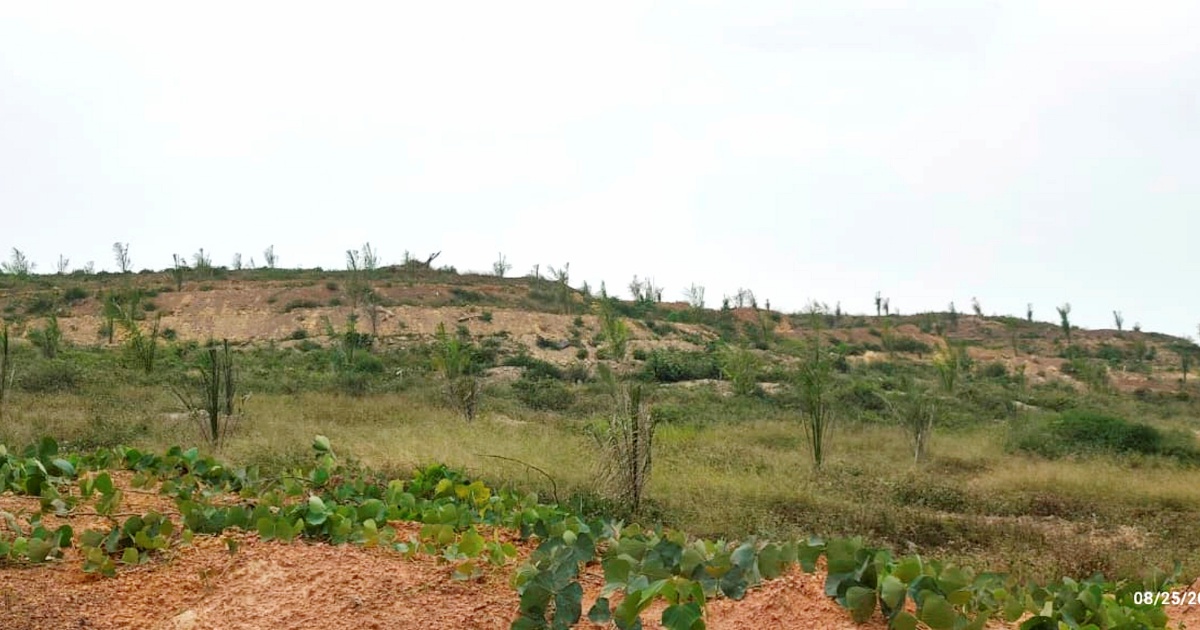
Residents of Felda Palong 7 have escalated their concerns about the agricultural supply chain by filing a formal complaint with the Malaysian Anti-Corruption Commission, drawing attention to persistent quality issues affecting oil palm seedling procurement. The grievances centre on the receipt of substandard planting materials that fail to meet expected horticultural standards, along with marked variations in seedling uniformity that could compromise plantation establishment and long-term yield outcomes.
The filing signals growing frustration among settler communities over what they view as systemic problems in agricultural input supply mechanisms. Oil palm cultivation remains foundational to Malaysia's rural economy and to Felda's mandate as an agency tasked with supporting smallholder farmers and settlement schemes. When core agricultural inputs such as seedlings fall below acceptable quality thresholds, the ripple effects extend beyond individual farms, potentially undermining scheme-wide productivity and settler livelihoods.
Uniformity in oil palm seedlings matters considerably for plantation management and performance. Inconsistent seedling size, vigour, and health status creates operational challenges during field establishment, complicates maintenance schedules, and introduces variables that can affect yield synchronization across plots. Farmers relying on seedlings from a single source expect consistency; variations suggest possible lapses in nursery management, quality control, or oversight within the supply pipeline.
The decision to involve the MACC—rather than pursuing complaints through internal Felda channels alone—indicates that settlers suspect procedural irregularities or potential misconduct rather than isolated production mishaps. The MACC's investigative mandate covers corruption, abuse of power, and breach of trust in public institutions. Settler confidence in internal grievance mechanisms may have been compromised, prompting recourse to independent oversight.
Felda settlement schemes have historically grappled with balancing subsidy frameworks, input quality, procurement efficiency, and cost control. The oil palm sector's capital-intensive nature means that early-stage inputs like seedlings establish trajectory for a plantation's entire productive life. Poor seedlings necessitate replanting, incur additional costs, and defer income realization for settlers already operating on narrow margins. This economic reality lends urgency to quality assurance.
The timing of this complaint reflects broader scrutiny of public procurement and institutional governance in Malaysia's agricultural sector. Heightened transparency expectations and awareness of anti-corruption mechanisms have emboldened stakeholder groups—including smallholders—to lodge formal reports when standards appear compromised. The filing itself may catalyse internal Felda reviews or supply chain audits.
Quality issues in agricultural inputs can cascade through the value chain. If seedlings underperform, settler productivity suffers, Felda's overall scheme performance declines, and downstream processing facilities receive reduced raw material volumes. These interconnections underscore why procurement standards for foundational inputs demand rigorous enforcement and accountability.
The report's filing also highlights communication gaps between suppliers, implementing agencies, and beneficiary communities. Settlers may lack accessible channels to report quality concerns, leading to delayed escalation and accumulated grievances. Establishing clearer feedback mechanisms and response protocols could prevent such concerns from reaching the point of MACC involvement.
Investigations into this complaint will likely examine procurement documentation, nursery records, quality assurance procedures, and the chain of custody from supplier to settler. Investigators may also assess whether competitive tendering processes were followed and whether specifications were transparently communicated and enforced.
For the broader Malaysian agricultural sector, particularly schemes serving smallholder communities, this episode underscores the importance of robust quality standards and independent verification systems. Seedling supply is foundational; compromises at this stage reverberate through years of plantation cycles and affect farmer confidence in institutional support systems.
The MACC's handling of this complaint will send signals about institutional responsiveness to rural grievances and the seriousness with which input quality concerns are investigated. A thorough investigation could strengthen oversight mechanisms and establish precedent for similar complaints across other Felda schemes or agricultural programmes nationally.
Settlers at Felda Palong 7 and elsewhere in Felda's network will closely monitor the MACC's progress and outcomes. Their willingness to escalate concerns formally reflects both frustration with existing channels and recognition that independent anti-corruption bodies can serve as accountability mechanisms when internal systems falter. As Malaysia's agricultural sector modernizes and rural communities grow more aware of their rights, such complaints may become more frequent, compelling agencies to strengthen quality assurance frameworks proactively.

